How is Delhi Planning to Combat Air Pollution with CM Rekha Gupta?
Synopsis
In a bid to combat the persistent air pollution crisis in Delhi, Union Minister Bhupender Yadav reviews strategies with key officials including CM Rekha Gupta. This meeting highlights the government's ongoing commitment to sustainable environmental practices and innovative traffic management solutions.
Key Takeaways
The meeting focused on reviewing air pollution action plans.
Smart traffic management is essential for reducing vehicular pollution.
Public participation is critical for successful implementation of measures.
Strict action will be taken against illegally operating industrial units.
Road development and dust control are key components of pollution management.
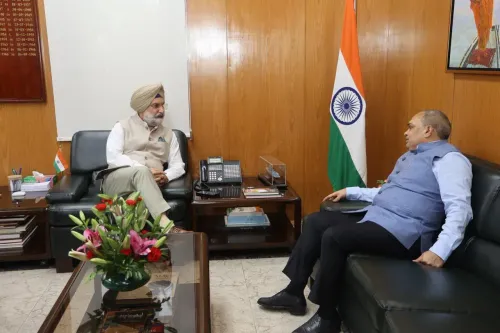
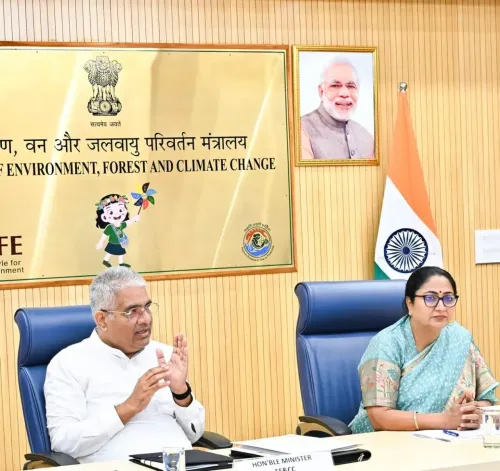
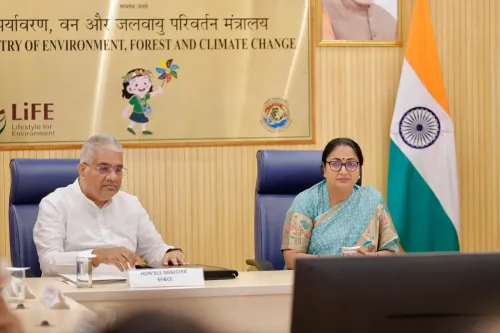
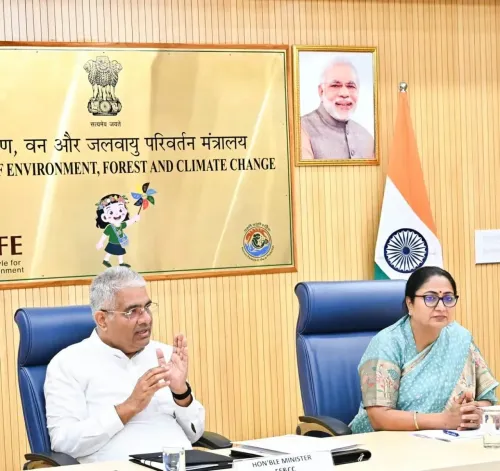
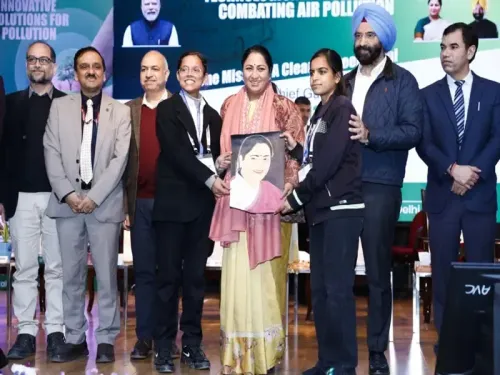
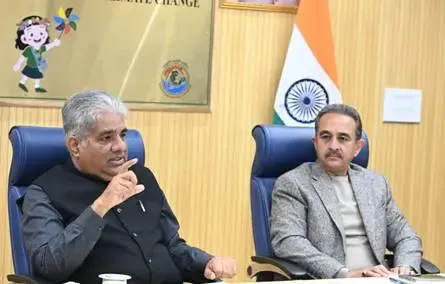
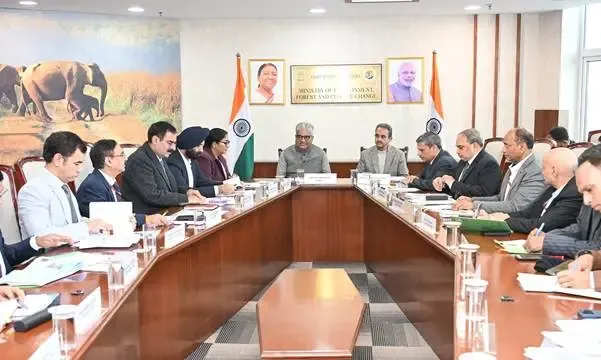
New Delhi, Jan 12 (NationPress) The Union Minister for Environment, Forest and Climate Change (EFCC), Bhupender Yadav, convened a crucial meeting on Monday to thoroughly evaluate the Action Plans implemented by the Government of NCT of Delhi aimed at addressing air pollution in the NCR cities.
This gathering is part of the routine annual assessment aimed at gauging progress and reinforcing the execution of outlined strategies.
Among those in attendance were Chief Minister Rekha Gupta of NCT Delhi, Union Minister of State (EFCC) Kirti Vardhan Singh, and Delhi Environment Minister Manjinder Singh Sirsa, along with senior officials from the MoEFCC and the Delhi Government.
During the meeting, Yadav commended the Delhi government and associated agencies for their relentless efforts in mitigating air pollution in the National Capital.
He recalled that in 2021, the Union Government enacted a specialized legislation and established the Commission for Air Quality Management (CAQM) as a progressive initiative.
The airshed of Delhi NCR was identified to accurately pinpoint pollution sources across the territory. He noted that air pollution in the NCR is influenced by both human activities and weather conditions, and emphasized the importance of long-term policy interventions over temporary solutions.
Addressing vehicular pollution, the Minister underscored the necessity for intelligent traffic management, especially at 62 identified congestion hotspots, to facilitate smoother traffic flow.
He advocated for stringent measures against polluting vehicles, including a specialized registration drive, the installation of Automatic Number Plate Recognition (ANPR) systems at border entry points, and the exploration of staggered office timings to alleviate peak-hour congestion.
Discussions included incentives for electric vehicles, rapid expansion of charging infrastructure, congestion charges, smart parking management, and a standardized vehicle registration policy for NCR.
Yadav emphasized that public participation and behavioral changes are crucial to the success of these initiatives.
In reviewing industrial pollution, it was noted that 227 out of 240 industrial estates in NCR have transitioned to PNG. However, unregulated development and the subsequent regularization of industries outside designated estates continue to pose a challenge.
Yadav instructed that decisive action be taken against illegally operating and non-compliant units, including sealing when necessary. The Central Pollution Control Board (CPCB) has sent notices to 88 units that have failed to install Online Continuous Emission Monitoring Systems (OCEMS), with closure actions set to commence from 23.01.2026.
The meeting also evaluated the management of Construction and Demolition (C&D) waste, with a focus on designating C&D waste sites, halting demolition activities during peak pollution periods, and collaborating with recycler associations for scientific waste disposal.
On the topics of road development and dust control, Yadav stressed the importance of comprehensive paving, the plantation of local shrub varieties in a mission mode, and greening efforts involving the Eco Task Force, NCC, NSS, and youth clubs to combat PM10 pollution.
The redevelopment of over 3,300 km of roads in Delhi is slated for the upcoming year, incorporating dust abatement and traffic management into the execution plan. Mechanized Road Sweeping Machines (MRSMs) will be extensively deployed in an operational-expenditure model, with no diesel-powered units, complemented by handheld vacuum machines and litter pickers for smaller roads.
Point of View
It's evident that the Delhi government's proactive approach to tackling air pollution is commendable. The collaboration between central and state authorities showcases a unified commitment to improving air quality, which is essential for public health and sustainable urban living. We must continue to prioritize such initiatives for the greater good.
NationPress
2 Oct 2026
Frequently Asked Questions
What was the purpose of the meeting chaired by Bhupender Yadav?
The meeting aimed to review and strengthen the action plans of the Government of NCT of Delhi for addressing air pollution in NCR cities.
Who attended the meeting?
Attendees included Chief Minister Rekha Gupta, Union Minister of State Kirti Vardhan Singh, Delhi Environment Minister Manjinder Singh Sirsa, and senior officials from MoEFCC and the Delhi Government.
What measures were discussed to tackle vehicular pollution?
Measures included smart traffic management, strict action against polluting vehicles, installation of ANPR systems, and exploration of staggered office timings.
How many industrial estates in NCR have transitioned to PNG?
227 out of 240 industrial estates in NCR have already shifted to PNG.
What is the deadline for units without OCEMS to comply?
Closure actions for units that have not installed OCEMS will commence from January 23, 2026.