How is CM Rekha Gupta Addressing Delhi's Inherited Challenges?
Synopsis
In a decisive move, CM Rekha Gupta outlines the Delhi government's proactive steps towards combating pollution and resolving inherited challenges. The commitment to a clean, green Delhi takes center stage in her latest initiatives, aiming for a zero-emission future. Discover the measures being implemented and the government's steadfast approach to enhance the city's environment.
Key Takeaways
Strict enforcement of pollution regulations is a priority.
Collaboration with private sectors like Ola and Uber is being pursued.
New guidelines for e-rickshaws aim to ease traffic congestion.
Zero emissions is a key government goal.
Fines for pollution violations will not be waived.
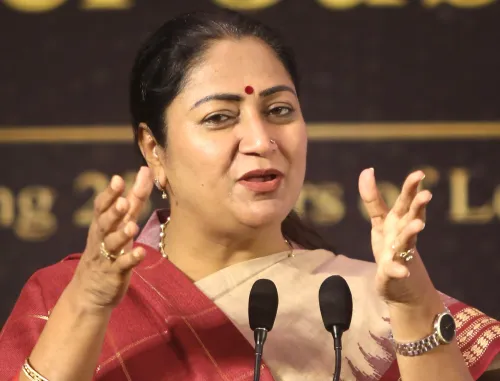
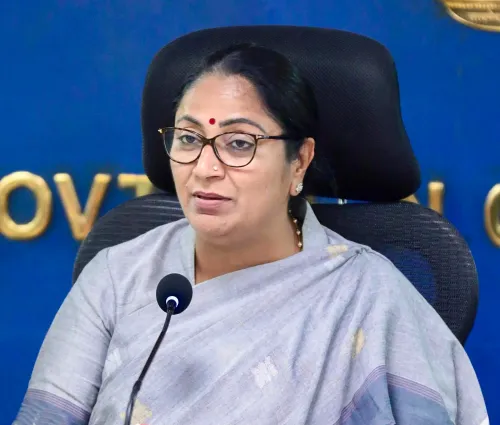
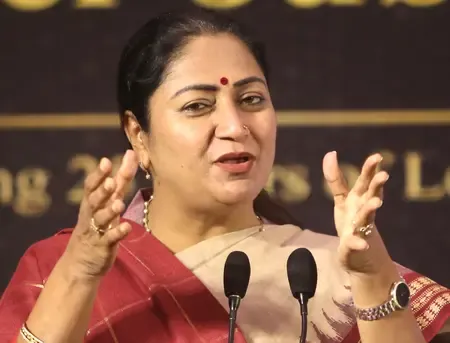
New Delhi, Dec 23 (NationPress) In the midst of Delhi's ongoing battle against pollution, Chief Minister Rekha Gupta stated on Tuesday that the government views the inherited issues as challenges and is determined to address them comprehensively.
"Delhi is now benefiting from clear strategies, ongoing initiatives, and tangible outcomes. Our administration is dedicated to fostering a continuously evolving, clean, and attractive Delhi," CM Gupta mentioned in a video message shared on X.
She highlighted that the BJP government is confronting the issues passed down from previous administrations, which neglected to resolve the challenges effectively.
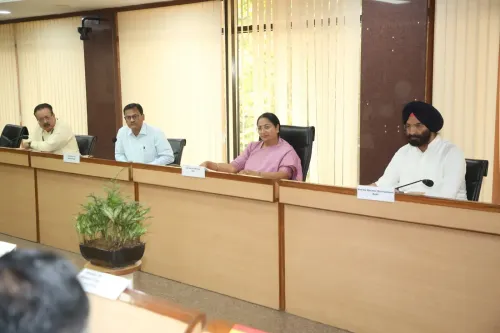
This statement followed a review meeting chaired by the Chief Minister, where she reiterated the government's commitment to a zero-tolerance stance against all pollution sources.
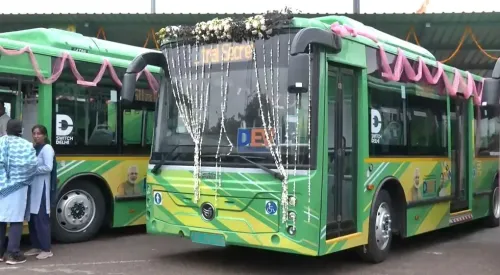
Key resolutions made during the meeting included: stringent enforcement of Pollution Under Control (PUC) regulations without exceptions for fines; investigating pooled and shared electric bus services in the Delhi-NCR region; issuing fresh guidelines for e-rickshaws; and optimizing Delhi Transport Corporation (DTC) bus routes.
Senior officials from the Environment and Transport Departments, the Delhi Pollution Control Committee (DPCC), the Public Works Department (PWD), and the Delhi Traffic Police, alongside Environment Minister Manjinder Singh Sirsa, participated in the meeting.
The Chief Minister took a firm stance against vehicles operating without valid PUC certificates. Under current regulations, polluting vehicles face a penalty of Rs 10,000. It was noted that many vehicle owners resort to Lok Adalats to have these fines reduced, which undermines the intended deterrent effect.
CM Gupta clarified that no pollution fines will be waived in the future, regardless of circumstances.
She instructed officials to explore all legal avenues, including court action if necessary. The goal, she emphasized, is not revenue generation but ensuring clean and healthy air for Delhi's citizens.
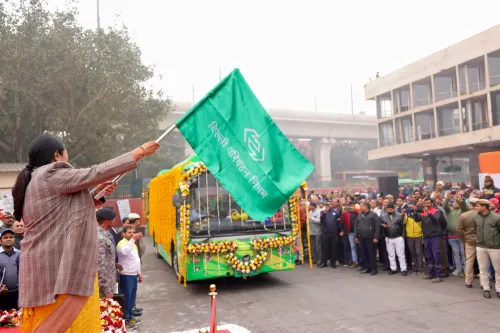
To encourage pollution-free transportation through private sector involvement, the Delhi Government is set to engage in discussions with companies like Ola and Uber.
The aim is to investigate the feasibility of pooled and shared electric or non-polluting buses in the Delhi-NCR area.
These initiatives are projected to decrease reliance on private vehicles and enhance environmentally sustainable public transport. The Chief Minister reaffirmed that achieving zero emissions in the capital is a top priority for the government.
Unregulated e-rickshaw operations have significantly contributed to traffic congestion, resulting in higher fuel consumption and greater pollution. To tackle this challenge, the Delhi Government will soon roll out comprehensive new regulations for e-rickshaws, which will govern their operational zones and routes to ensure smoother traffic flow and improved road management.
Point of View
It is vital to recognize the significance of CM Rekha Gupta's initiatives in combating pollution in Delhi. The government's proactive stance on inherited challenges reflects a commitment to improving the quality of life for citizens. With a focus on collaboration with private sectors and strict enforcement of regulations, these measures are a hopeful step towards a cleaner future.
NationPress
3 Oct 2026
Frequently Asked Questions
What measures is the Delhi government taking to combat pollution?
The Delhi government is implementing strict pollution control measures, including enforcing Pollution Under Control (PUC) norms, exploring electric bus services, and issuing new guidelines for e-rickshaws.
How does the government plan to engage the private sector in environmental initiatives?
The government intends to initiate discussions with companies like Ola and Uber to explore shared electric bus services aimed at reducing pollution.
What penalties are in place for vehicles without valid PUC certificates?
Vehicles operating without valid PUC certificates face a penalty of Rs 10,000, with a strict policy against waiving fines.
What is the government's priority regarding pollution in Delhi?
Achieving zero emissions in the capital is a key priority for the government, reflecting their commitment to cleaner air for all citizens.
How will new e-rickshaw guidelines improve traffic management?
The new guidelines for e-rickshaws will regulate their operational areas and routes, which is expected to enhance traffic flow and reduce congestion.