US pushes AI access to India, flags risks of adversarial tech dependence
Synopsis
A senior US State Department official used the US-India AI and Emerging Technology Forum to deliver a dual message: Washington wants India and South Asian nations plugged into American AI — and explicitly warned against dependence on adversarial technology ecosystems. The remarks mark a clear escalation in Washington's effort to make the US the default AI partner for the Indo-Pacific.
Key Takeaways
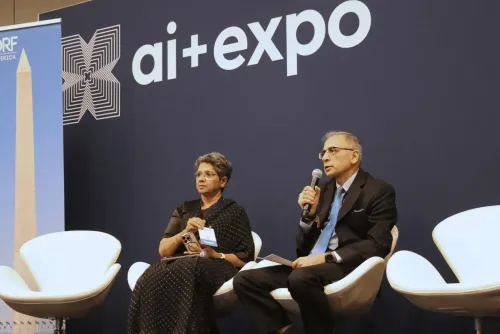
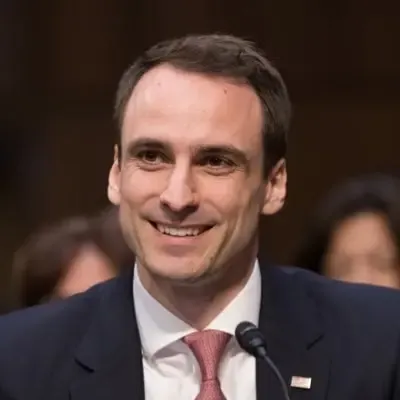
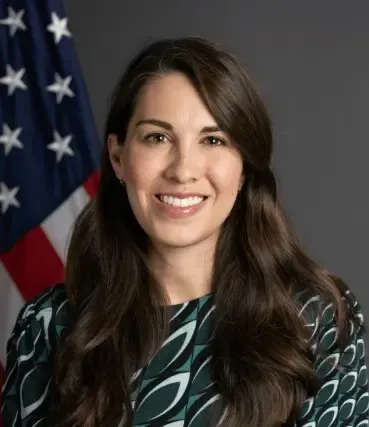
Deputy Assistant Secretary of State Bethany Morrison addressed the US-India AI and Emerging Technology Forum on 9 May .
The US wants South and Central Asian nations, including India , to access American AI while avoiding dependence on adversarial nations.
Morrison described AI as "the present" — built on American software, hardware, and large language models.
Rising Indian investment in US tech infrastructure and American expansion in India were cited as proof of a productive bilateral relationship.
Washington and New Delhi are jointly working to build "secure and trusted AI supply chains" for long-term resilience.
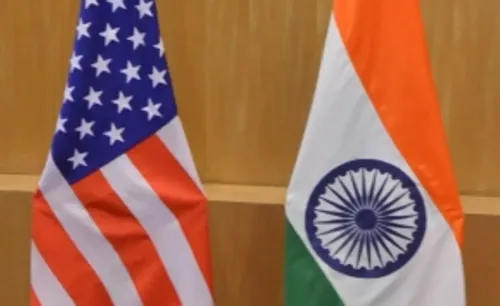
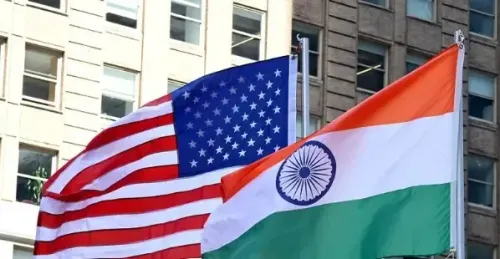
The United States has called on countries across South and Central Asia, including India, to adopt American-developed artificial intelligence while steering clear of technology dependencies on adversarial nations, a senior State Department official said on 9 May. The remarks, delivered at the US-India AI and Emerging Technology Forum, signal Washington's intensifying push to deepen AI cooperation with New Delhi.
What the US Official Said
Deputy Assistant Secretary of State Bethany Morrison told forum delegates that the priority is ensuring technology access translates into concrete societal benefits. "We want to make sure that countries in our region have access to world class technology and are able to get that integrated into their society to deliver the best value results for their people," she said.
Morrison was equally emphatic about the guardrails required. "But in order to fully realise the benefits of this incredible technology, we must be guided by the principles of openness, as well as focus on our security and our interoperability and avoid any dependencies on adversarial nations," she said — a formulation widely read as a reference to China-linked technology ecosystems.
America's AI Export Ambition
Morrison framed the United States as the world's primary AI supplier, stressing that Washington aims to "export that AI technology and practice to the world." She underscored the material foundations of that leadership: "AI is not the future — the present, and it's made with American software, hardware and large language models."
This aligns with a broader US policy push to expand global access to domestically developed AI tools, positioning American firms as the default partners for nations building out digital infrastructure.
India-US Investment Flows
Morrison pointed to rising cross-border investment as evidence that the bilateral relationship is already delivering results, calling it a driver of "real deals and real results for both Indian and Americans." She noted that Indian firms are committing significant resources to US technology infrastructure, while American companies are simultaneously expanding operations in India. "These are incredible and cutting edge investments that will have high impact in both the American and the Indian societies," she said.
Physical Infrastructure at the Core
The official also highlighted the often-overlooked physical backbone of AI deployment — data centres, semiconductors, and energy supply chains. "AI may seem like it conquers information… but it's very physical technology that requires chips as data centres, wires and electricity," Morrison said, underscoring the need for resilient and trusted supply chains.
She confirmed that Washington and New Delhi are actively working to build "secure and trusted AI supply chains" aimed at ensuring long-term technological resilience for both nations.
A Turning Point in Bilateral Cooperation
Morrison characterised the current moment as a strategic inflection point. "We are incredibly excited about this moment in terms of both the tech advancements and the US India partnership," she said, adding that "the opportunities are limitless." This comes amid growing global competition over AI standards, chip supply chains, and data governance frameworks — areas where the US-India partnership is increasingly seen as a counterweight to rival technology blocs.
Point of View
And its target is unmistakable. What the speech does not address is the asymmetry: the US is asking India to build critical infrastructure on American chips, software, and LLMs — a dependency of its own kind. New Delhi will need to weigh strategic alignment against technological sovereignty, particularly as it seeks to develop indigenous AI capabilities under its own national AI mission.
NationPress
9 May 2026
Frequently Asked Questions
What did the US say about AI cooperation with India at the forum?
Deputy Assistant Secretary of State Bethany Morrison said the US wants India and other South and Central Asian nations to access American AI technology and integrate it into their societies. She emphasised avoiding dependence on adversarial nations and building secure, trusted AI supply chains with India.
Who is Bethany Morrison and why did she speak at this forum?
Bethany Morrison is the US Deputy Assistant Secretary of State who addressed the US-India AI and Emerging Technology Forum on 9 May. She represented the State Department's position on expanding AI cooperation between Washington and New Delhi.
Why is the US warning against adversarial tech dependencies?
The US is concerned that nations adopting AI infrastructure from adversarial countries — widely understood to mean China — could face security vulnerabilities and reduced interoperability with Western allies. Morrison stressed that AI adoption must be guided by openness, security, and interoperability principles.
What investments are flowing between India and the US in AI?
Morrison noted that Indian firms are committing significant resources to US technology infrastructure while American companies are expanding operations in India, describing these as 'cutting edge investments' with high impact for both societies.
What is the physical infrastructure the US is focusing on for AI?
Morrison highlighted data centres, semiconductors, and energy supply as the physical backbone of AI. Washington and New Delhi are working together to build resilient and trusted supply chains covering chips, data centres, and electricity to support long-term AI deployment.