Is the US Congress Recognizing India as a Vital Ally in AI, Technology, and Defense?
Synopsis
US lawmakers are recognizing India's emerging role as a vital partner in AI and defense. This collaboration promises to enhance both nations' technological standards and security in the Indo-Pacific region. The dialogue also explores the importance of people-to-people ties and energy infrastructure, highlighting a mutual commitment to progress.
Key Takeaways
India is a vital partner in AI and defense.
Collaboration is essential for addressing global challenges.
Modernization of defense systems is necessary for the US.
Energy resources are critical for India's tech growth.
Talent mobility enhances bilateral ties.
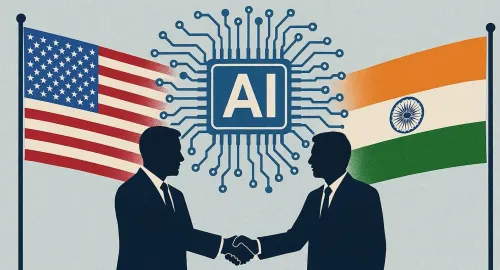
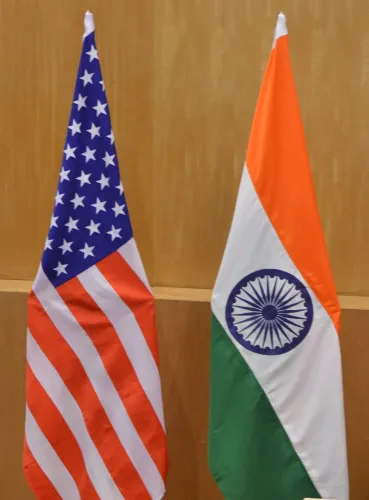
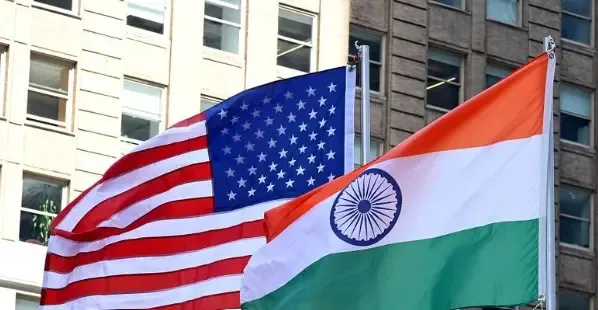
Washington, Jan 13 (NationPress) - On Monday, US legislators acknowledged that India is evolving beyond being just a defense purchaser or technology market. Instead, it is becoming an essential collaborator in artificial intelligence, advanced manufacturing, and security in the Indo-Pacific region.
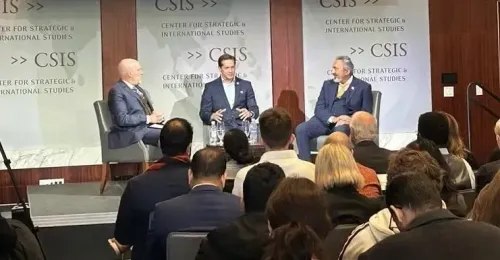
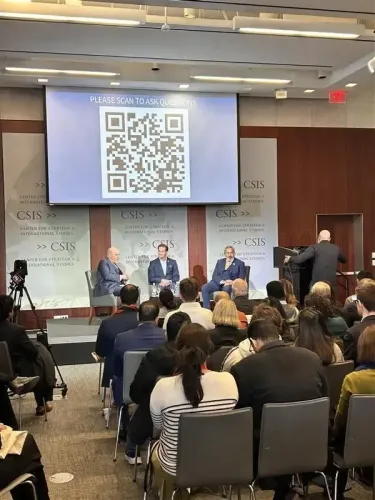
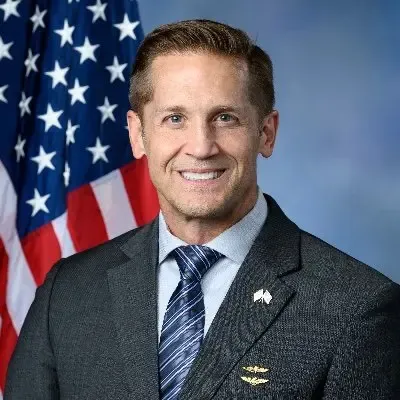
During a discussion at the CSIS, Representative Rich McCormick cautioned against limiting India's access to cutting-edge technologies. He stated, “Limiting access to our products would be detrimental to us as a nation.”
McCormick emphasized the importance of keeping India aligned with US technology standards. He remarked, “If we restrict our quality chips globally, they will source them elsewhere, setting a different standard.”
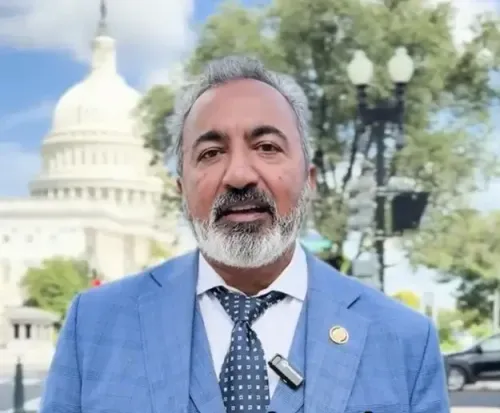
Indian American Representative Ami Bera defined AI as “a transformative technology” that necessitates close collaboration. He asserted, “The United States and India should collaborate closely to advance AI and tackle emerging challenges.”
Bera noted that such partnerships should encompass healthcare and global development. He suggested, “Now is the time to rethink visa policies,” proposing new pathways for high-skilled mobility.
Both representatives connected technological cooperation to defense relationships. Bera mentioned that the defense-to-defense relations are progressing well, pointing to co-production and joint military exercises. “We aim to increase our joint exercises, training, and development,” he added.
McCormick highlighted India's ambition for defense self-sufficiency. “Prime Minister Modi’s ultimate aim is to establish independence as a defense contractor,” he noted, referencing India's demand for majority domestic ownership.
He urged for modernization of US defense systems, stating, “Our technologies are outdated in the defense sector,” criticizing reliance on “outmoded systems.”
Both lawmakers strongly supported the QUAD alliance, with Bera stating, “The significance of the Quad is evident as Beijing opposes it.”
They also emphasized the value of people-to-people connections as a strategic advantage. McCormick remarked on the extensive pool of Indian talent in the US, mentioning, “Currently, we have a quarter of a million Indian students here.” He cautioned that sending them back could bolster competitors.
Bera noted that talent movement is evolving, stating, “They recognize the rapid growth of the Indian domestic market… they can traverse between both.”
The conversation also addressed energy and data infrastructure. McCormick argued that data centers and AI demand substantial power. “You cannot generate that level of energy from anything other than nuclear,” he explained.
Bera pointed out India's challenges regarding water and energy. “As Prime Minister Modi aims to expand data centers, they face energy and water shortages,” he said, indicating collaborative opportunities in desalination and civil nuclear technology.
Both lawmakers advocated for cooperation with India to bolster US global competitiveness. “This is not a one-sided relationship. It’s a mutual benefit,” Bera concluded.
Point of View
It's critical to recognize the strategic implications of their collaboration in technology and defense. Both nations stand to gain significantly, enhancing not just bilateral relations but also their positions on the global stage. From AI to energy concerns, their partnership symbolizes a forward-looking approach towards shared challenges and opportunities.
NationPress
16 Sept 2026
Frequently Asked Questions
What role is India playing in US defense strategy?
India is increasingly seen as a vital ally in US defense strategy, moving beyond a mere buyer to a significant partner in technology and security.
How does AI factor into US-India relations?
AI is viewed as a transformative technology that necessitates close cooperation between the US and India to address emerging challenges effectively.
What are the implications of talent mobility between the US and India?
The flow of Indian talent to the US is a strategic asset, and enhancing mobility corridors for skilled workers will benefit both nations.
Why is energy infrastructure a concern for India?
India faces significant challenges in energy and water resources, particularly as it aims to expand its data centers and technological capabilities.
What is the significance of the QUAD alliance?
The QUAD alliance is crucial for regional security, and its importance is underscored by opposition from countries like Beijing.