Delhi L-G Sandhu meets CAQM chief to strengthen air quality action
Synopsis
Delhi L-G T.S. Sandhu sat down with CAQM chief Rajesh Verma on 1 June to push harder on pollution enforcement — just days after GRAP Stage-I restrictions were lifted across the NCR. The message from Lok Niwas: improved AQI is not a reason to ease up, but a baseline to defend.
Key Takeaways
Sandhu met CAQM Chairperson Rajesh Verma at Lok Niwas on 1 June to discuss air pollution control.
Discussions focused on inter-agency coordination, implementation of pollution-control measures, and long-term NCR environmental strategy.
On 29 May , the CAQM Sub-Committee on GRAP unanimously revoked all Stage-I actions across the NCR with immediate effect.
Despite the GRAP rollback, all state and Delhi agencies were directed to maintain strict compliance with CAQM statutory directions.
The Sub-Committee will continue monitoring AQI using data from IMD and IITM to guide future GRAP decisions.
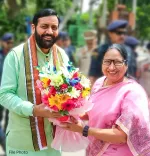
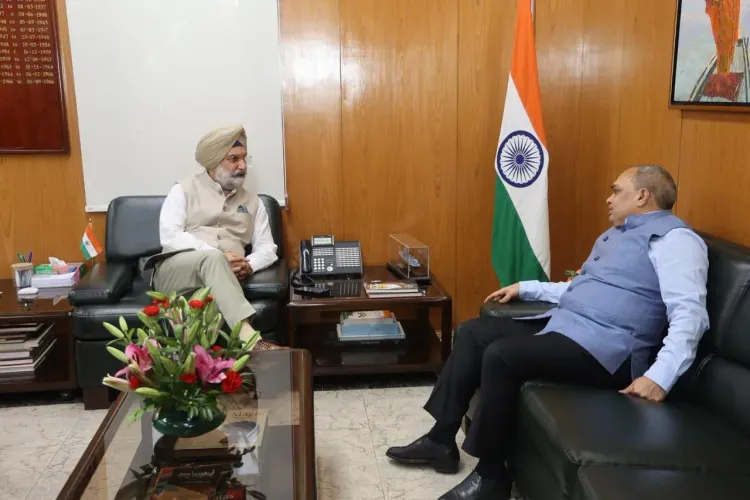
Delhi Lieutenant Governor T.S. Sandhu met Rajesh Verma, Chairperson of the Commission for Air Quality Management (CAQM), at Lok Niwas on Monday, 1 June to discuss accelerating pollution-control measures across the capital and the broader National Capital Region (NCR). The high-level meeting underscored the urgency of improving Delhi's air quality as a public health imperative.
What Was Discussed
The two officials held what an official statement described as 'extensive discussions' on mitigating air pollution and reinforcing coordinated inter-agency efforts. Emphasis was placed on effective implementation of existing pollution-control measures, stronger coordination among multiple agencies, and long-term strategies to address environmental challenges across the NCR.
The Lok Niwas statement noted that improving Delhi's air quality was described as 'an urgent priority for safeguarding public health and ensuring a cleaner, more sustainable future for the capital.'
GRAP Stage-I Revoked Days Earlier
The meeting came just days after a significant regulatory development: on 29 May, the CAQM Sub-Committee on the Graded Response Action Plan (GRAP) unanimously decided to revoke all actions under Stage-I of the extant GRAP schedule across the NCR with immediate effect. The rollback reflected an improvement in ambient air quality levels.
However, the CAQM made clear that the easing of GRAP restrictions did not signal a relaxation of baseline obligations. All agencies of concerned state governments and the Government of the National Capital Territory of Delhi were advised to 'ensure strict implementation of all statutory directions, advisories, orders and related instructions issued by the Commission.'
Agencies Put on Notice
Agencies were additionally directed to implement rules, regulations, and guidelines issued by the Ministry of Environment, Forests and Climate Change, the Central Pollution Control Board (CPCB), and the respective state governments, Pollution Control Boards, and the Delhi Pollution Control Committee (DPCC) across all contributing sectors.
These measures, the CAQM said, were necessary to sustain improved Air Quality Index (AQI) levels and prevent conditions from slipping back into the 'Poor' category — a threshold that triggers fresh restrictions under GRAP protocols.
Monitoring to Continue
The CAQM Sub-Committee will continue to closely monitor the air quality situation across Delhi-NCR, reviewing conditions periodically and taking further decisions based on real-time AQI data and forecasts provided by the India Meteorological Department (IMD) and the Indian Institute of Tropical Meteorology (IITM).
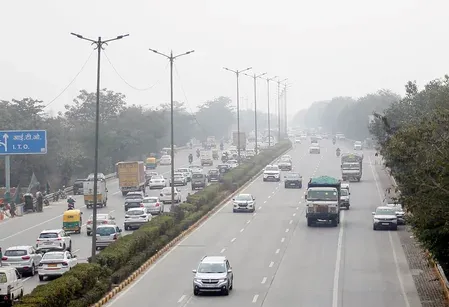
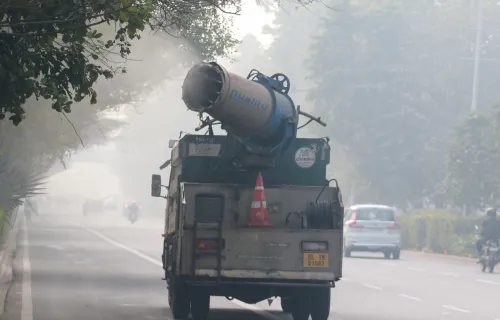
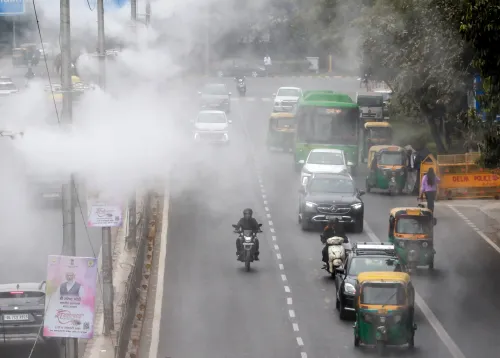
With summer dust, vehicular load, and construction activity among the persistent contributors to Delhi's pollution profile, the L-G's direct engagement with the CAQM signals that enforcement — not just policy — is now the focus heading into the pre-monsoon period.
Point of View
It signals that Delhi's administration is wary of the complacency that has historically followed every seasonal improvement in AQI. Delhi's air quality crisis is structural, driven by vehicular emissions, construction dust, stubble burning, and industrial activity across multiple states, none of which a single meeting resolves. The real question is whether inter-agency coordination — long the weakest link in Delhi's pollution response — will actually improve, or whether this meeting joins a long record of high-level discussions that preceded the next winter smog crisis.
NationPress
16 Oct 2026
Frequently Asked Questions
Why did Delhi L-G T.S. Sandhu meet CAQM Chairperson Rajesh Verma?
The meeting on 1 June focused on strengthening the implementation of air pollution-control measures and improving inter-agency coordination across Delhi and the NCR. It followed the recent revocation of GRAP Stage-I restrictions and aimed to ensure agencies do not ease compliance despite improved AQI levels.
What is GRAP and why was Stage-I revoked?
The Graded Response Action Plan (GRAP) is a set of emergency pollution-control measures activated in Delhi-NCR based on AQI thresholds. Stage-I was revoked on 29 May by the CAQM Sub-Committee after air quality improved sufficiently to no longer warrant those restrictions.
Does the revocation of GRAP Stage-I mean pollution controls have been lifted?
No. The CAQM clarified that all agencies must continue to strictly implement its statutory directions, advisories, and orders even after the GRAP Stage-I rollback. The revocation reflects improved conditions, not a relaxation of baseline obligations.
Which agencies are responsible for implementing CAQM directions in Delhi-NCR?
Agencies under the concerned state governments, the Government of the NCT of Delhi, the Central Pollution Control Board (CPCB), state Pollution Control Boards, and the Delhi Pollution Control Committee (DPCC) are all bound by CAQM directions across contributing sectors.
How will air quality be monitored going forward?
The CAQM Sub-Committee will continuously monitor AQI levels and review conditions periodically, using forecasts from the India Meteorological Department (IMD) and the Indian Institute of Tropical Meteorology (IITM) to decide on any further GRAP actions.