Nvidia Outlines SIGGRAPH 2026 Plans With AI and RTX Sessions
Synopsis
Nvidia has outlined its presence at SIGGRAPH 2026, promising a research keynote, hands-on developer labs, and sessions on physical AI, RTX, and AI in production. The announcement reinforces the chip giant's strategy of using the annual graphics conference to showcase the convergence of GPU rendering and AI workloads.
Key Takeaways
Nvidia announced its full activity slate for SIGGRAPH 2026 on 19 July 2026 .
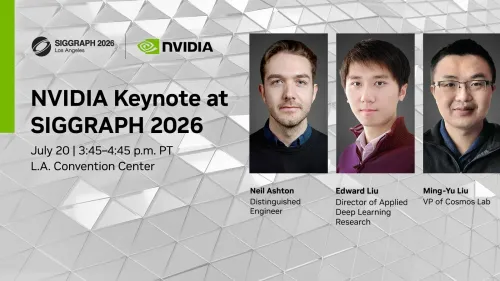
Planned activities include a Nvidia keynote on research breakthroughs, hands-on skills labs, and multiple technical sessions.
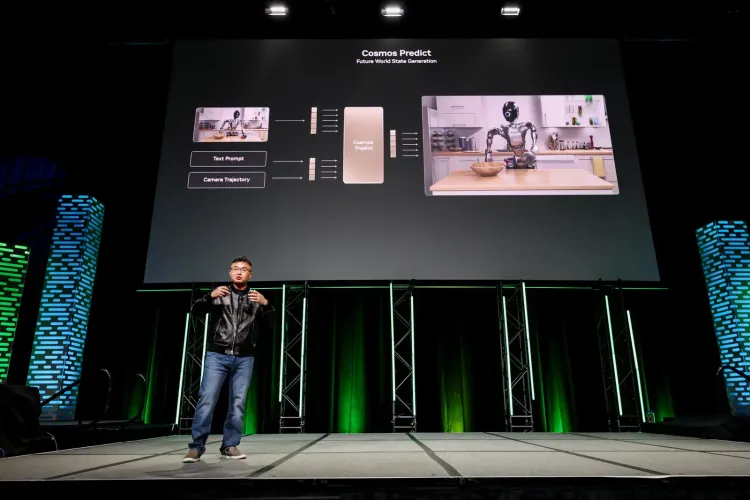
Session tracks cover physical AI , RTX rendering, and AI in production workflows.
Nvidia has maintained a consistent presence at SIGGRAPH since the 2010s, using the venue to demonstrate GPU and AI advances.
The final SIGGRAPH 2026 programme, including accepted technical papers, has not yet been fully disclosed.
The announcements carry implications for India's expanding base of AI developers and animation studios building on Nvidia platforms.
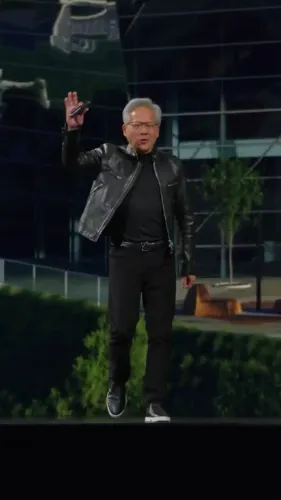
Chip giant Nvidia on Saturday, 19 July 2026, announced its full slate of planned activities at SIGGRAPH 2026, inviting graphics researchers and AI developers to attend its keynote, hands-on labs, and a broad lineup of technical sessions covering physical AI, RTX rendering, and AI in production workflows.
Context
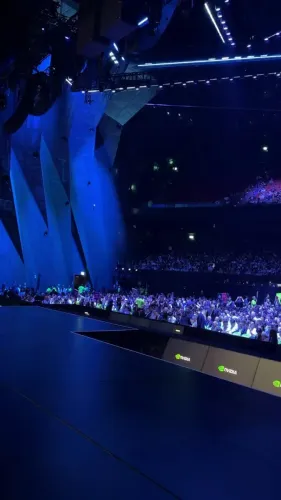
In its post on X, Nvidia encouraged attendees still building their SIGGRAPH 2026 agendas to explore three tracks: the Nvidia keynote featuring the latest research breakthroughs, hands-on skills labs, and sessions spanning physical AI, RTX, and AI in production. The announcement signals that Nvidia is positioning itself as a central presence at what is widely regarded as the premier annual gathering for computer graphics and interactive techniques.
SIGGRAPH — organised by the Association for Computing Machinery (ACM) — brings together researchers, engineers, and artists working at the intersection of computing and visual media. Nvidia has maintained a consistent presence at the conference throughout the 2010s and into the 2020s, using it as a stage to demonstrate advances in GPU-based ray tracing and AI-assisted rendering.
Policy Backdrop
Nvidia's engagement with SIGGRAPH is part of a deliberate long-term strategy to embed its GPU platforms across entertainment, scientific visualisation, and industrial AI workloads. The company, co-founded and led by CEO Jensen Huang since 1993, has steadily expanded its footprint beyond traditional graphics chips into accelerated computing and AI infrastructure.
The convergence of real-time rendering pipelines with AI models — a theme Nvidia has championed at successive SIGGRAPH editions — reflects a broader industry shift in which physical simulation and content creation increasingly rely on neural-network-assisted tools running on specialised hardware. The inclusion of 'physical AI' as a dedicated session category at SIGGRAPH 2026 underscores how far this convergence has progressed.
Stakeholders and Impact
The primary audience for Nvidia's SIGGRAPH 2026 presence is the global community of graphics researchers, game developers, visual effects studios, and AI engineers who rely on RTX GPUs and related software stacks. Hands-on labs offer a direct skills-development pathway for practitioners looking to integrate Nvidia's latest tooling into production pipelines.
For the broader AI and semiconductor ecosystem, Nvidia's keynote at a research-focused venue like SIGGRAPH carries weight beyond marketing: technical papers and demonstrations presented there often set the direction for academic and commercial research in the following year. Developers and studios that adopt Nvidia workflows early gain a competitive advantage in deploying AI-assisted production tools.
What's Next
The final SIGGRAPH 2026 programme, including accepted technical papers and confirmed session schedules, has not yet been fully disclosed. Observers will be watching for any Nvidia technical papers accepted to the conference's peer-reviewed track, which would offer a clearer picture of the company's current research priorities in physical AI and real-time rendering.
As the event approaches, the keynote content and lab curricula are expected to reflect Nvidia's most recent advances in GPU architecture and AI model integration — areas that have significant downstream implications for India's growing base of AI developers, animation studios, and technology firms building on Nvidia infrastructure.
Point of View
Developer labs, and production-focused sessions — is consistent with its broader strategy of owning the technical narrative at every major venue where AI and graphics converge. By foregrounding 'physical AI' as a distinct category, the company is signalling that simulation-driven AI is moving from research curiosity to production reality, a framing that benefits its GPU sales thesis. For India's technology sector, which has seen rapid growth in AI infrastructure investment, Nvidia's conference positioning matters: the tools and workflows showcased at SIGGRAPH typically filter into Indian studios and developer ecosystems within one to two product cycles. The announcement is ultimately a reminder that Nvidia treats academic and developer conferences as strategic assets, not merely promotional venues.
NationPress
18 Jul 2026
Frequently Asked Questions
What is Nvidia planning at SIGGRAPH 2026?
Nvidia has announced a keynote on the latest research breakthroughs, hands-on developer labs for skills building, and a full lineup of sessions covering physical AI, RTX rendering, and AI in production workflows at SIGGRAPH 2026.
What is SIGGRAPH and why does it matter for AI?
SIGGRAPH is the annual ACM conference on computer graphics and interactive techniques. It matters for AI because it is where researchers and companies like Nvidia present advances in GPU-driven rendering and AI-assisted content creation, setting the direction for the industry.
Who leads Nvidia and what is the company known for?
Nvidia is led by co-founder and CEO Jensen Huang. The company is best known for designing GPUs and AI infrastructure, and has expanded from graphics chips into accelerated computing and large-scale AI hardware.
What is physical AI and why is Nvidia featuring it at SIGGRAPH 2026?
Physical AI refers to AI systems that simulate or interact with the physical world, including robotics, scientific simulation, and real-time physics-based rendering. Nvidia is featuring it at SIGGRAPH 2026 as part of its strategy to demonstrate the convergence of GPU rendering pipelines with AI models.
How does Nvidia's SIGGRAPH presence affect Indian developers and studios?
Indian AI developers, animation studios, and technology firms that build on Nvidia platforms often adopt tools and workflows first demonstrated at SIGGRAPH. Nvidia's 2026 sessions on physical AI and RTX are therefore relevant to India's growing technology and creative industries.