Delhi court summons Dhruv Rathee in BJP IT Cell defamation case
Synopsis
Eight years after the complaint was filed, a Delhi court has finally managed to serve summons on YouTuber Dhruv Rathee at his Gurugram residence in a criminal defamation case over the 'BJP IT Cell Part 2' video — a case that has already drawn in Arvind Kejriwal, who admitted before the Supreme Court in 2024 that retweeting the video was a mistake.
Key Takeaways
Delhi's Saket Court has issued fresh summons to YouTuber Dhruv Rathee in a criminal defamation case dating back to 2018 .
Summons have been physically served at Rathee's residence in Gurugram via dasti service after years of failed attempts.
The case was filed by Vikas Pandey , founder of the page 'I Support Narendra Modi', over the video 'BJP IT Cell Part 2' .
Former Delhi Chief Minister Arvind Kejriwal had retweeted the video in 2018 and admitted before the Supreme Court in February 2024 that it was a mistake.
The next hearing is scheduled for 17 October 2026 .
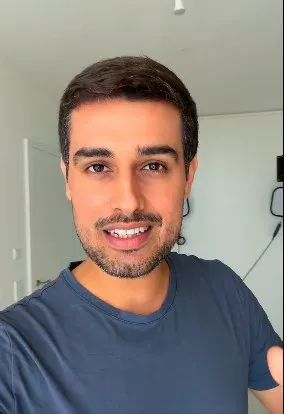
A Delhi court has issued fresh summons to YouTuber and social media influencer Dhruv Rathee in an eight-year-old criminal defamation case, with the summons now successfully served at his residence in Gurugram. The case, filed by Vikas Pandey, centres on a 2018 video titled 'BJP IT Cell Part 2', which Pandey alleges tarnished his reputation.
Background of the Case
The matter has been pending before the Saket Court in New Delhi since 2019, with earlier attempts to serve summons on Rathee proving unsuccessful. The court noted that Rathee ordinarily resides in Austria, which had complicated the service of process for years. The complainant had argued that Rathee's continued absence from India had effectively stalled proceedings.
In its latest order, the court permitted fresh summons via dasti service — a direct hand-delivery method — and allowed the complainant to accompany the process server. Rathee has now been physically served at his Gurugram address. The next hearing is scheduled for 17 October.
The Kejriwal Connection
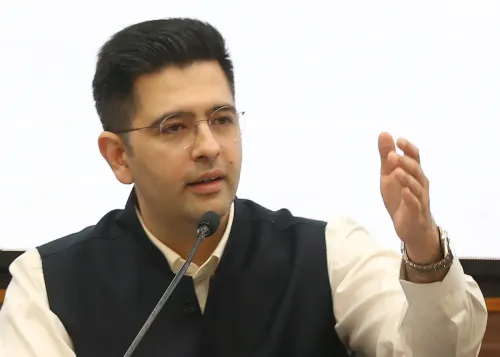
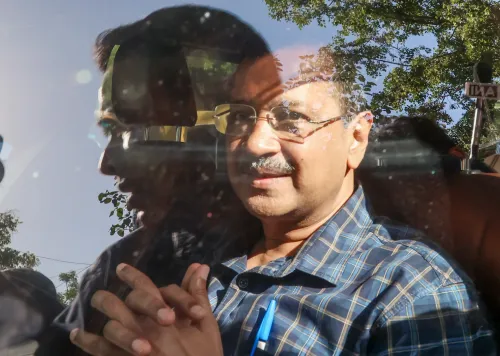
The case carries a broader political dimension. The same video was retweeted in 2018 by Aam Aadmi Party (AAP) national convenor and former Delhi Chief Minister Arvind Kejriwal, drawing him into separate but connected legal proceedings. In February 2024, Kejriwal told the Supreme Court that he had made a mistake by retweeting the video.
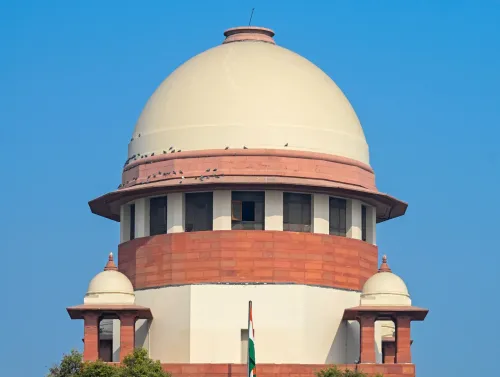
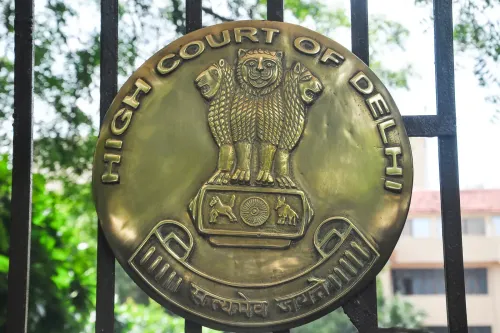
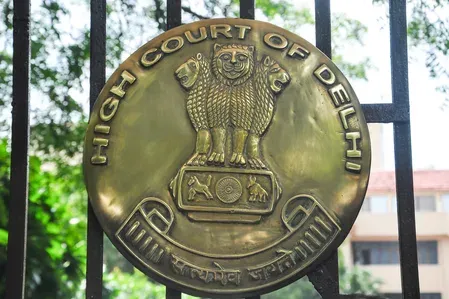
A bench comprising Justices Sanjiv Khanna (who later became Chief Justice of India and has since retired) and Dipankar Datta had granted a stay on the trial court proceedings while hearing Kejriwal's plea challenging the Delhi High Court's refusal to quash the summons issued against him. The High Court had earlier upheld the summoning order, observing that retweeting defamatory content could attract liability under Section 499 of the Indian Penal Code (IPC).
Who Is the Complainant
Vikas Pandey, identified as the founder of the social media page 'I Support Narendra Modi', had alleged that the video — and its subsequent retweet by Kejriwal — caused serious damage to his reputation. The defamation complaint, filed over the original video's content, has now brought Rathee squarely back into the legal spotlight after years of procedural delays.
What Happens Next
With summons now duly served, the Saket Court is set to take up the matter on 17 October 2026. Rathee, who commands a large following on YouTube and other platforms, has not yet made a public statement on the fresh summons. The case is likely to draw renewed attention to the legal boundaries of online content and the liability that can attach to sharing or retweeting material deemed defamatory by a court.
Point of View
The belated service of summons after years abroad raises a procedural question mainstream coverage is glossing over: does prolonged non-availability effectively insulate creators from accountability? The Saket Court's dasti service workaround may set a precedent for how Indian courts handle influencers who are domiciled overseas.
NationPress
14 Oct 2026
Frequently Asked Questions
What is the Dhruv Rathee defamation case about?
The case is a criminal defamation complaint filed by Vikas Pandey against YouTuber Dhruv Rathee over a 2018 video titled 'BJP IT Cell Part 2', which Pandey alleges damaged his reputation. The matter is pending before the Saket Court in New Delhi.
Why did it take so long to serve summons on Dhruv Rathee?
Rathee ordinarily resides in Austria, which made serving legal summons difficult since 2019. The court eventually permitted dasti service — direct hand-delivery — and allowed the complainant to accompany the process server, leading to successful service at Rathee's Gurugram residence.
What is Arvind Kejriwal's role in this case?
Kejriwal retweeted the same 'BJP IT Cell Part 2' video in 2018, resulting in separate but linked legal proceedings against him. In February 2024, he told the Supreme Court that retweeting the video had been a mistake. A Supreme Court bench had granted a stay on the trial court proceedings in his matter.
What did the Delhi High Court rule regarding retweeting defamatory content?
The Delhi High Court upheld the summoning order against Kejriwal, observing that retweeting defamatory content can attract the offence of defamation under Section 499 of the Indian Penal Code. This ruling has broader implications for how social media sharing is treated under Indian law.
When is the next hearing in the Dhruv Rathee defamation case?
The Saket Court has scheduled the next hearing for 17 October 2026, following the successful service of summons on Rathee at his Gurugram residence.