Kejriwal Declares Himself 'No Longer an Accused' in Delhi HC; Verdict on Recusal Pending
Synopsis
In a significant turn of events, Arvind Kejriwal asserts he is 'no longer an accused' in the Delhi Excise Policy corruption case, following a trial court discharge. He seeks the recusal of the judge amid fears of bias, leading to a reserved verdict from the Delhi High Court.
Key Takeaways
Kejriwal claims he is no longer an accused in the corruption case.
Seeks judge's recusal due to perceived bias.
Trial court discharged him, citing lack of evidence.
Concerns raised over the March 9 ex parte ruling.
Delhi High Court has reserved its verdict on the recusal request.
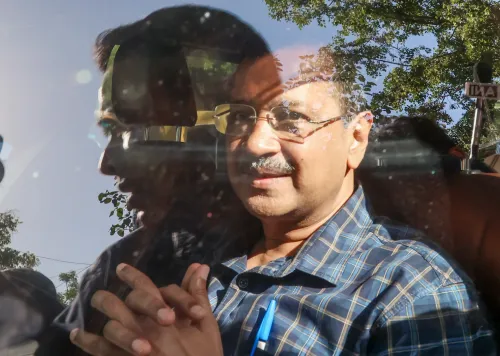
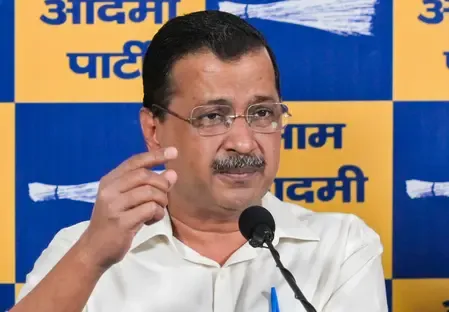
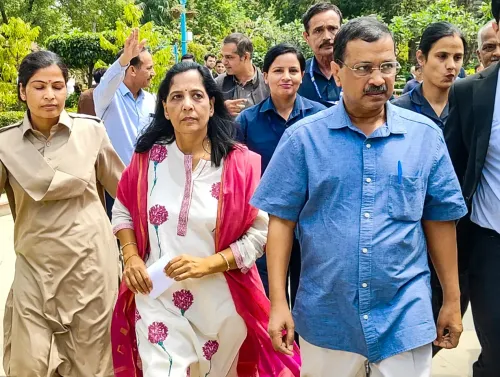
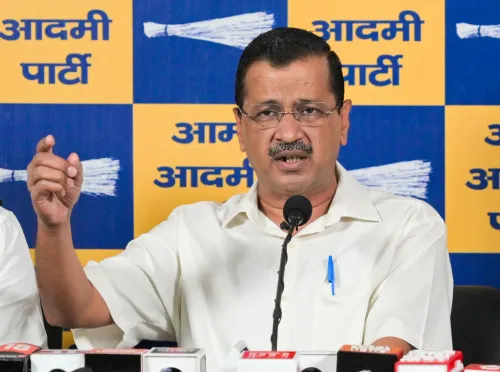
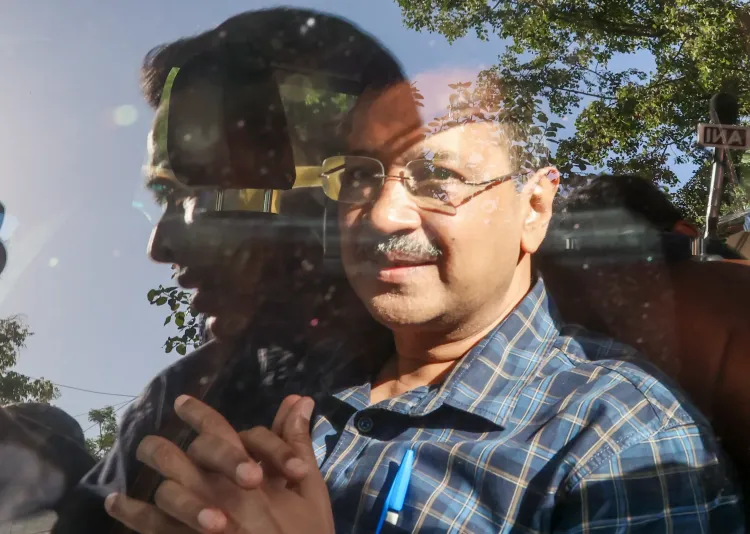
New Delhi, April 13 (NationPress) Arvind Kejriwal, the national convenor of the Aam Aadmi Party (AAP) and former Chief Minister of Delhi, informed the Delhi High Court on Monday that he is now "no longer an accused" in the alleged corruption scandal associated with the revoked Delhi Excise Policy 2021–22. He emphasized that the trial court had previously discharged him, citing a lack of evidence to substantiate any charges.
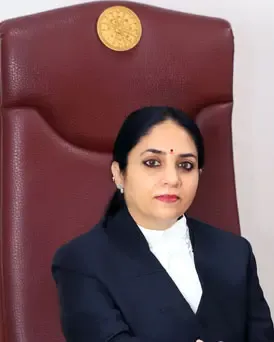
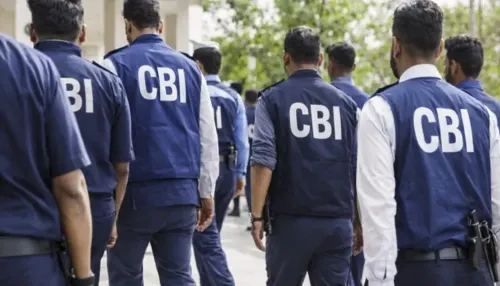
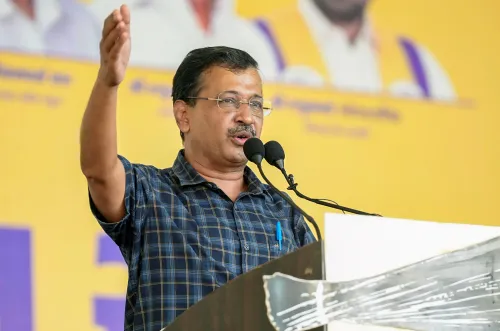
Kejriwal appeared personally before Justice Swarana Kanta Sharma to advocate for the recusal of the judge from the Central Bureau of Investigation’s (CBI) revision petition regarding his discharge. He highlighted that the trial court had conducted extensive hearings lasting nearly three months and had reviewed substantial documentation before issuing a thorough order on February 27, which discharged him and the other defendants, affirming that no viable case existed.
He expressed concern that despite the trial court's comprehensive discharge order, the Delhi High Court had issued an ex parte ruling on March 9 that partially stayed the trial court's conclusions after a brief session, leading to a "grave and reasonable apprehension" of bias on his part.
“When that order was issued, I felt despondent. I harbored serious doubts about my chances for justice,” he stated, mentioning that he had even reached out to Chief Justice Devendra Kumar Upadhyaya—who manages the roster—requesting a transfer of the case prior to submitting the current recusal motion.
Kejriwal argued that the principle governing recusal hinges not on actual bias but on whether a litigant perceives a reasonable fear of an unfair hearing. "The law is straightforward—it is not about whether the judge is biased, but whether a litigant feels apprehensive. I possess that apprehension," he told Justice Sharma, referencing Supreme Court precedents.
He pointed out that the March 9 order labeled the trial court's detailed findings as "erroneous" without hearing the defendants or reviewing the complete record. "A 500-page order issued after months of hearings was effectively overturned in a 5–10 minute session, without affording us a chance to respond," he remarked.
Kejriwal underscored that the trial court had documented findings indicating no evidence of corruption or kickbacks, and had noted that the investigation suggested a "premeditated outcome." "The trial court's conclusions were entirely at odds with earlier assessments. This disparity fuels my apprehension regarding receiving a fair hearing," he continued.
During the hearing, Justice Sharma repeatedly clarified that the current proceedings were limited to the recusal issue and not the case's merits. “What is your submission? We are only addressing your recusal today,” the judge stated.
Kejriwal further mentioned that prior comments made by the Delhi High Court during bail and related proceedings had "virtually declared him guilty,” despite those conclusions being unnecessary at that time and later overturned by the Supreme Court. He also referred to a previous recusal case involving AAP leader Satyendar Jain, where the Delhi High Court acknowledged the Enforcement Directorate's concerns about bias.
“The issue is not the integrity of the judge, but the litigant's perception of fairness. I am merely seeking the same consideration,” he asserted.
The former Chief Minister questioned the expedited manner in which the Delhi High Court considered the CBI's revision plea, which was filed shortly after the trial court's discharge order, and issued interim directions on the very first day.
In response to some submissions, Justice Sharma remarked that the urgency or methodology of issuing orders cannot be scrutinized in recusal proceedings and may be addressed to the Supreme Court. “You cannot challenge how I drafted the order. That is a matter for the Supreme Court,” the judge stated.
Solicitor General (SG) Tushar Mehta, representing the investigative agencies, opposed the recusal request, asserting that the criteria for such applications are well-established. Addressing Kejriwal’s assertion that he had been "almost declared guilty", SG Mehta asserted that the Delhi High Court must consider the legal framework governing such claims.
“Regardless of the outcome, we must maintain fairness to the court,” the Centre's second-highest legal officer cautioned, advising against undermining the judicial process with unfounded allegations.
After extensive hearings from all parties, the Delhi High Court reserved its judgment on Kejriwal's request for Justice Sharma's recusal, instructing all parties to submit concise arguments not exceeding three pages by Wednesday.
Point of View
The unfolding situation surrounding Arvind Kejriwal raises critical questions about judicial integrity and fairness in high-stakes political cases. His assertions of bias and concerns over the judicial process reflect broader issues of accountability within the legal system, deserving of thorough examination.
NationPress
17 Sept 2026
Frequently Asked Questions
What is the current status of Arvind Kejriwal's case?
Arvind Kejriwal asserts he is 'no longer an accused' as the trial court discharged him, and he is seeking to have the judge recused over concerns of bias.
What did Kejriwal argue regarding the March 9 order?
Kejriwal contended that the March 9 order unjustly labeled the trial court's detailed findings as erroneous without a proper hearing.
What is the basis for Kejriwal's request for recusal?
Kejriwal's request for recusal is based on his apprehension of bias stemming from the Delhi High Court's ex parte ruling that partially stayed the trial court's findings.
How did the trial court view the evidence of corruption?
The trial court found no evidence of corruption or kickbacks and noted that the investigation suggested a premeditated outcome.
What are the implications of the Delhi High Court's pending verdict?
The pending verdict on Kejriwal's recusal request could significantly impact the judicial process and the ongoing proceedings related to the case.