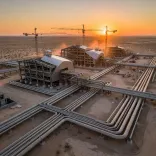
CM Mohan Yadav Launches Dahi Lift Irrigation for MP Tribal Farmers
Synopsis
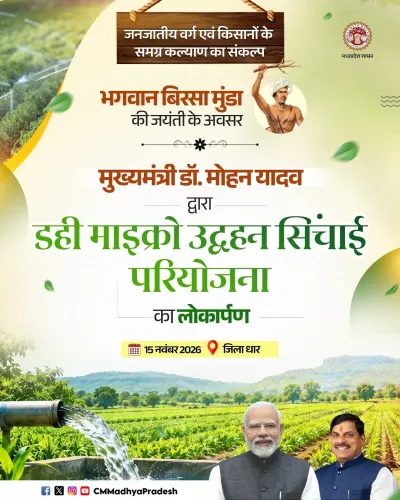
Chief Minister Dr. Mohan Yadav inaugurated the Dahi Micro Lift Irrigation Project in Dhar on Janjatiya Gaurav Diwas, 15 November 2026, directing Narmada river water to tribal farmers in Dhar and Alirajpur — linking infrastructure delivery to Birsa Munda's birth anniversary.
Key Takeaways
Mohan Yadav inaugurated the Dahi Micro Lift Irrigation Project in Dhar on 15 November 2026 .
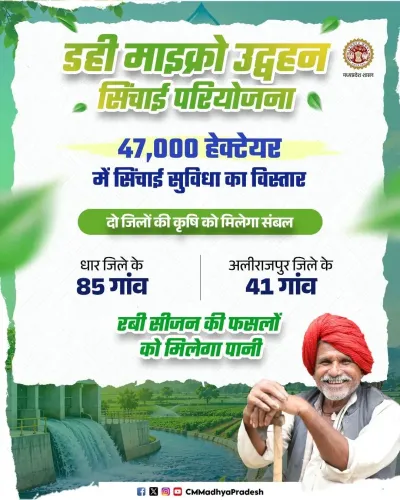
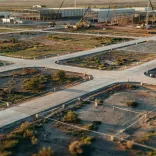
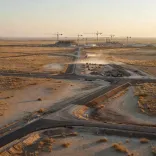
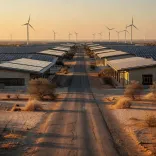
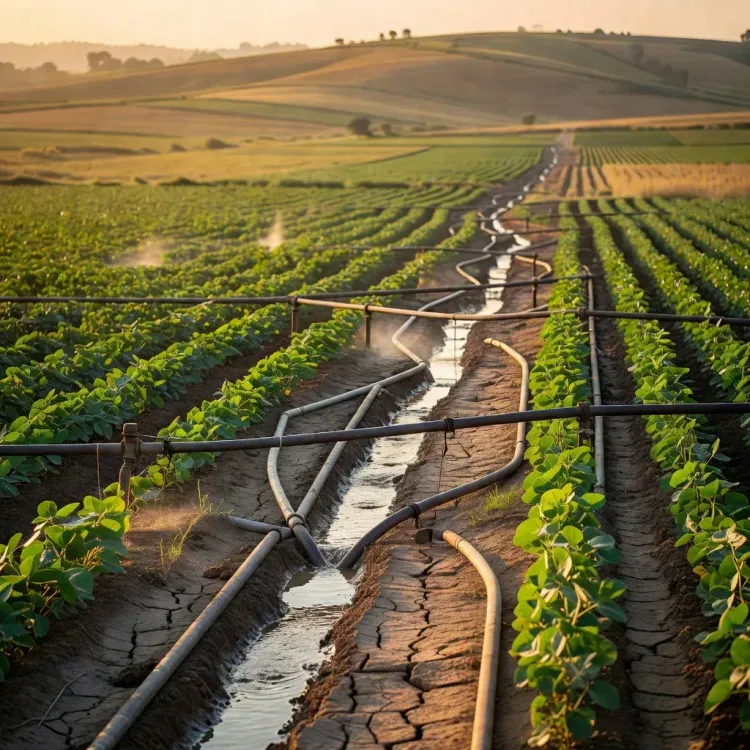
The project will supply Narmada river water for irrigation to farmers in Dhar and Alirajpur districts.
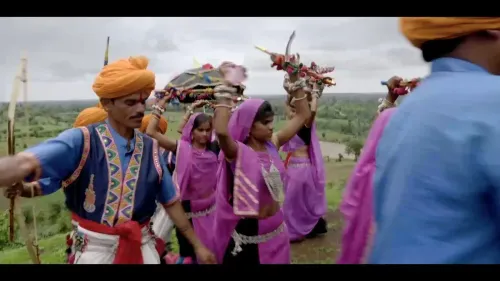
Both districts have large tribal populations and are historically dependent on rain-fed agriculture.
The launch was timed to Janjatiya Gaurav Diwas , the national commemoration of tribal freedom fighter Birsa Munda's birth anniversary, observed every 15 November since 2021.
The project is part of Madhya Pradesh's broader pattern of extending Narmada-based micro-lift irrigation into tribal belt districts over the past decade.
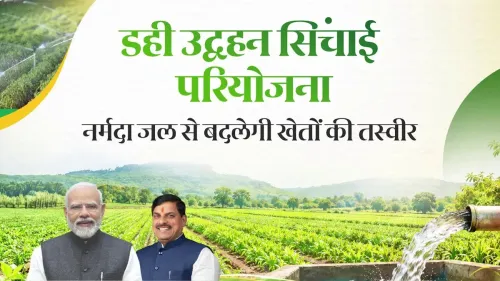
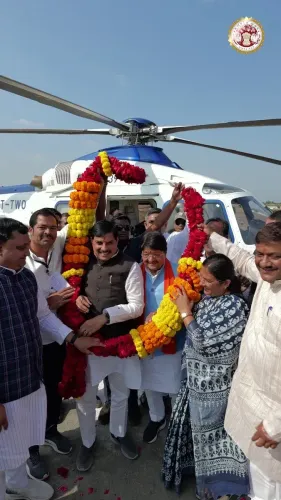
On Janjatiya Gaurav Diwas — 15 November 2026 — tribal farmers in two of Madhya Pradesh's most water-stressed districts got more than a ceremony. Chief Minister Dr. Mohan Yadav inaugurated the Dahi Micro Lift Irrigation Project in Dhar, unlocking Narmada river water for fields across Dhar and Alirajpur districts — a gift timed deliberately to the birth anniversary of tribal icon Birsa Munda.
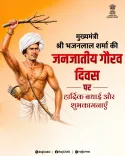
The Chief Minister's Office of Madhya Pradesh shared the announcement on X, posting: 'धरती आबा भगवान बिरसा मुंडा जी की जयंती पर जनजातीय अंचल के किसानों को बड़ी सौगात' — 'A great gift to tribal farmers on the birth anniversary of Dharti Aaba Bhagwan Birsa Munda.' The post confirmed that the project will channel Narmada water to farms in both districts for irrigation, marking a tangible infrastructure delivery on a day the state government has charged with deep symbolic meaning.
Who Was Birsa Munda — and Why This Day Carries Such Weight
Birsa Munda was a 19th-century tribal leader, freedom fighter, and folk deity from the Chota Nagpur plateau whose resistance against colonial land dispossession remains a defining memory for Adivasi communities across India. His birth anniversary on 15 November has been observed nationally as Janjatiya Gaurav Diwas since 2021, anchoring government tribal-welfare announcements to a moment of cultural pride. Inaugurating infrastructure on this date is a calculated political and administrative signal — development tied to identity, not just bureaucratic scheduling.
Dhar and Alirajpur: Why These Districts Were Chosen
Dhar, in western Madhya Pradesh, carries a large tribal population whose livelihoods hinge almost entirely on rain-fed agriculture. Alirajpur — a tribal-majority district bordering Gujarat and Maharashtra — is among the state's most historically underserved regions for irrigation infrastructure. Both districts sit in a belt where erratic monsoons can wipe out entire cropping seasons, and where assured irrigation would directly translate into higher cropping intensity and food security. Routing Narmada water into these farms via a micro-lift mechanism addresses precisely this vulnerability.
Narmada's Lift-Irrigation Push Across MP's Tribal Belt
The Dahi Micro Lift Irrigation Project is part of a decade-long pattern in which successive Madhya Pradesh governments have extended the Narmada basin's reach deep into tribal districts through engineered lift schemes — pumping river water uphill to fields that gravity-fed canals cannot serve. The logic is straightforward: the river flows, the farms are higher up, and mechanical lift bridges the gap. Such schemes raise cropping intensity, shift farmers from single-season dependence, and reduce the catastrophic risk that one bad monsoon carries in these communities. The state has repeatedly turned to this model precisely because Dhar and Alirajpur's topography demands it.
How quickly the pumping stations and distribution networks become fully operational — and how many hectares actually come under irrigated cultivation in the first full cropping year — will be the real test of today's inauguration's promise.
Point of View
Reinforcing the BJP's claim to being the natural custodian of tribal welfare. The choice of Dhar and Alirajpur is strategically astute: both districts are electorally significant tribal constituencies where assured irrigation could shift the economic calculus for thousands of farm households. At the same time, the real policy test is commissioning speed — lift irrigation projects in MP's tribal belt have historically faced delays between inauguration and full operational status, and that gap is where political promise meets administrative execution.
NationPress
15 Nov 2026
Frequently Asked Questions
What is the Dahi Micro Lift Irrigation Project?
The Dahi Micro Lift Irrigation Project is a scheme inaugurated by Madhya Pradesh Chief Minister Dr. Mohan Yadav on 15 November 2026 to pump Narmada river water to farmlands in Dhar and Alirajpur districts, providing assured irrigation to tribal farmers.
Which districts benefit from the Dahi Lift Irrigation Project?
Farmers in Dhar and Alirajpur — both tribal-majority districts in western Madhya Pradesh — will receive Narmada water for field irrigation under this project.
Why was the project launched on 15 November?
15 November is Janjatiya Gaurav Diwas, the national commemoration of the birth anniversary of tribal leader and freedom fighter Birsa Munda, observed every year since 2021 to highlight tribal heritage and development.
Who is Birsa Munda and why is he called Dharti Aaba?
Birsa Munda was a 19th-century tribal leader and freedom fighter who resisted colonial land dispossession in the Chota Nagpur region. He is revered as a folk deity among Adivasi communities and honoured with the title 'Dharti Aaba,' meaning Father of the Earth.
How does the Narmada lift irrigation model work in MP's tribal areas?
Since tribal districts like Dhar and Alirajpur lie at elevations that gravity-fed canals cannot reach, the state uses mechanical pumping systems to lift Narmada water uphill to farms, reducing dependence on erratic monsoon rainfall and enabling multiple cropping seasons.