IEA Takes Bold Step: 400 Million Barrels of Oil Released to Counter Global Energy Crisis
Synopsis
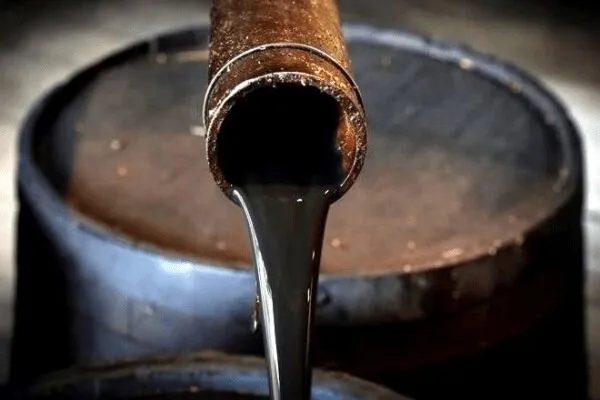
In response to the ongoing West Asia crisis, the IEA is releasing 400 million barrels of oil from emergency reserves. This unprecedented move aims to stabilize global oil markets affected by conflict in the Middle East.
Key Takeaways
The IEA is releasing 400 million barrels of oil to stabilize markets.
This is the sixth coordinated stock release in IEA history.
Emergency reserves will be distributed based on each member's circumstances.
Current conflict in the Middle East affects oil transport significantly.
IEA's core mission is to ensure global energy security.
New Delhi, March 11 (NationPress) In a major move amid the escalating crisis in West Asia, the International Energy Agency (IEA) announced on Wednesday its plan to release 400 million barrels of oil from the emergency reserves of its 32 member nations to mitigate the disruptions impacting oil markets.
The emergency reserves will be gradually introduced to the market based on the individual circumstances of each member country and will be further supported by additional emergency actions from some nations.
IEA members possess emergency reserves exceeding 1.2 billion barrels, along with an additional 600 million barrels of industry stocks mandated by the government.
This coordinated release marks the sixth instance of such action in the IEA's history, which dates back to its establishment in 1974. Previous collective measures were implemented in 1991, 2005, 2011, and twice in 2022.
The IEA's decision to undertake this emergency action came after an urgent meeting of member governments, convened by the IEA Executive Director to evaluate the market situation due to the ongoing Middle East conflict and explore viable options to mitigate supply disruptions.
"The challenges currently facing the oil market are unparalleled in magnitude, and I am very pleased that IEA member countries have united to respond with a collective emergency action of such scale," stated IEA Executive Director Fatih Birol.
"Oil markets are interconnected globally; thus, any response to significant disruptions must also be global. Ensuring energy security is the core mission of the IEA, and I am delighted to see member nations displaying strong unity in taking decisive collective action," he continued.
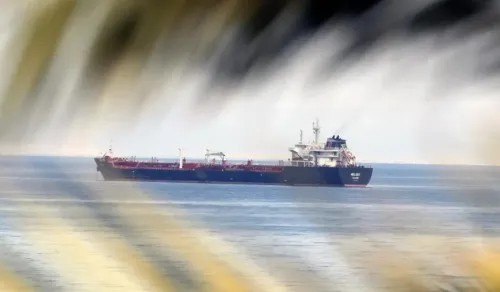
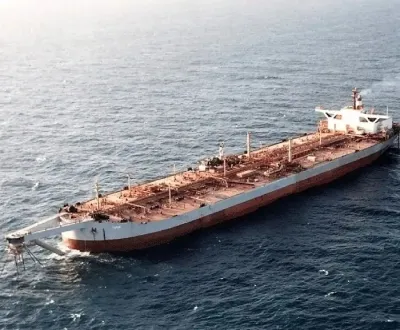
The ongoing conflict in the Middle East, which erupted on February 28, has severely restricted oil transport through the Strait of Hormuz, resulting in export levels of crude and refined products plummeting to less than 10% of pre-conflict volumes.
This situation is compelling operators in the region to reduce or entirely halt a considerable share of production.
In 2025, an average of 20 million barrels per day of crude oil and oil products transited through the Strait of Hormuz, accounting for about 25% of global seaborne oil trade.
According to the IEA, alternatives for oil transport to circumvent the Strait of Hormuz are scarce.
Point of View
The IEA's coordinated response reflects the critical need for collective action. This move not only aims to stabilize oil markets but also underscores the importance of international solidarity in addressing global energy crises.
NationPress
19 Sept 2026
Frequently Asked Questions
Why is the IEA releasing 400 million barrels of oil?
The IEA is releasing 400 million barrels of oil to address significant disruptions in oil markets caused by the ongoing crisis in West Asia.
What does the IEA's emergency stock release entail?
The emergency stock release involves making 400 million barrels available over time, depending on each member country's specific circumstances.
How much oil do IEA member countries hold in reserves?
IEA members hold emergency stockpiles of over 1.2 billion barrels, in addition to 600 million barrels of industry stocks under government obligation.
When was the last coordinated oil release by the IEA?
The last coordinated oil releases by the IEA occurred in 2022, with previous actions in 1991, 2005, and 2011.
What impact has the conflict in the Middle East had on oil production?
The conflict has drastically reduced oil flows through the Strait of Hormuz, with export volumes currently at less than 10% of pre-conflict levels.