IEA Proposes Urgent Measures to Combat Energy Crisis Amid West Asia Conflict
Synopsis
As tensions escalate in West Asia, the IEA outlines urgent demand-side measures to help alleviate the economic strain on consumers. This includes promoting remote work and modern cooking solutions to reduce oil and fuel dependency.
Key Takeaways
The IEA has proposed urgent demand-side actions to combat the energy crisis.
Working from home can significantly reduce oil use related to commuting.
Encouraging modern cooking solutions helps decrease reliance on LPG.
Governments are urged to implement targeted support mechanisms for consumers.
The ongoing conflict has resulted in unprecedented disruptions in global oil supplies.
New Delhi, March 20 (NationPress) As tensions rise in West Asia, the International Energy Agency (IEA) unveiled a series of demand-side strategies on Friday—such as working from home and minimizing air travel—to help governments, businesses, and households mitigate the economic repercussions on consumers.
One of the immediate strategies suggested is to work from home whenever feasible, which can significantly reduce oil consumption linked to commuting, particularly for jobs that can be performed remotely.
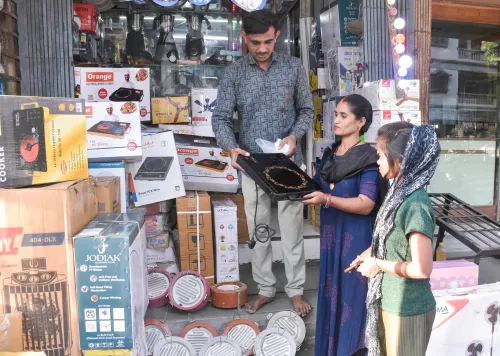
The report also advocates for a transition to modern cooking solutions. It encourages the use of electric cooking and other contemporary methods to lessen dependence on LPG.
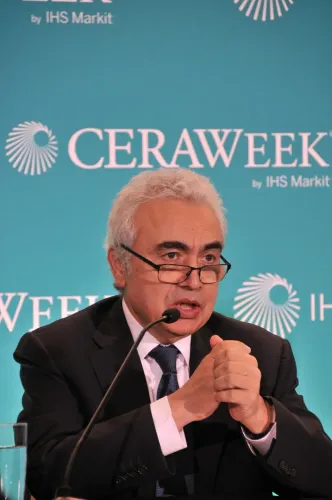
“The ongoing conflict in the Middle East is resulting in a significant energy crisis, marking the most substantial supply disruption in global oil market history. Without a prompt resolution, the effects on energy markets and economies are poised to intensify,” stated IEA Executive Director Fatih Birol.
The IEA's report offers a comprehensive set of immediate actions that can be implemented by governments, businesses, and households to protect consumers from the adverse effects of this crisis.
“This report draws on the IEA’s extensive experience in the field and emphasizes measures that have proven effective across various contexts. I trust it will serve as a valuable resource for governments worldwide, from both developed and developing nations, during these difficult times,” Birol added.
In terms of road transportation, a combination of behavioral and policy interventions can yield quick benefits.
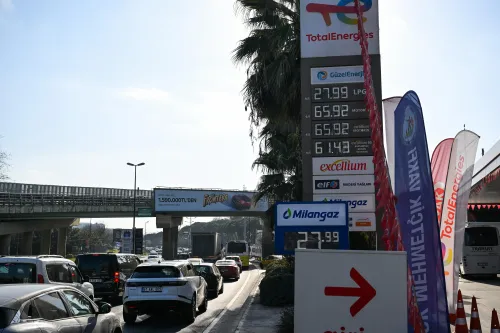
“Enabling remote work where possible reduces fuel demands for commuting, while lowering speed limits on highways by at least 10 kilometers per hour can decrease fuel consumption across both passenger and freight vehicles,” the report emphasized.
Promoting a transition from private vehicles to public transport, coupled with strategies like alternating access for private vehicles in major urban areas, can further alleviate congestion and fuel usage.
Additional enhancements can be achieved through carpooling, improved driving practices, and increased efficiency in freight and delivery operations.
Beyond road transportation, targeted measures can relieve pressure on fuels that are particularly scarce.
“Cutting down on air travel where alternatives are available can drastically reduce the demand for jet fuel. Shifting LPG usage from transport to essential needs, such as cooking, can safeguard vulnerable households,” the IEA report noted.
Encouraging the adoption of alternative clean cooking methods where possible can help decrease reliance on LPG and prevent a return to more polluting fuels that negatively impact health.
Industry also plays a crucial role. In regions where LPG supplies are strained, facilities may have the option to switch from LPG to alternative feedstocks like naphtha.
“This transition can free up LPG supplies for critical applications and can be complemented by short-term efficiency and maintenance strategies that can further reduce oil consumption,” the report stated.
Governments can lead by example with public sector initiatives, regulatory measures, and targeted incentives, ensuring that consumer support is timely and focused on those most in need.
Past experiences indicate that well-targeted support mechanisms are more effective and fiscally sustainable than broad subsidies, according to the report.
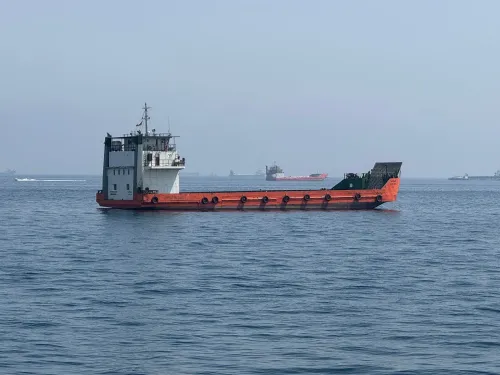
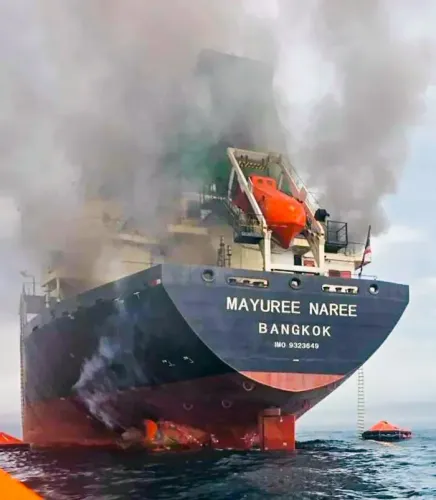
The ongoing conflict has initiated the largest supply disruption in the history of the global oil market, with shipping through the Strait of Hormuz, which typically carries about 20% of global oil consumption, reduced significantly.
Approximately 20 million barrels per day of crude oil and oil products usually transit the Strait.
Point of View
It is imperative to recognize the urgent actions proposed by the IEA in light of the escalating crisis in West Asia. These measures are not just recommendations but necessary steps to protect consumers and ensure economic stability in these challenging times.
NationPress
26 Sept 2026
Frequently Asked Questions
What actions does the IEA recommend to mitigate the energy crisis?
The IEA recommends several actions including promoting remote work, reducing air travel, and encouraging the use of modern cooking solutions to lessen dependence on LPG.
How does working from home reduce oil consumption?
Working from home eliminates the need for commuting, thereby reducing the overall demand for oil used in transportation.
What are modern cooking solutions suggested by the IEA?
The IEA suggests electric cooking and other advanced options as alternatives to traditional LPG cooking, which can lessen reliance on fossil fuels.
Why is the IEA's report significant?
The report is significant as it provides actionable recommendations based on decades of IEA expertise, aimed at alleviating the economic impacts of the current energy crisis.
What is the impact of the conflict in West Asia on global oil supplies?
The conflict has led to the largest supply disruption in global oil market history, significantly affecting shipping through the Strait of Hormuz.