Government Aims to Enhance Induction Heater Production to Reduce Cooking Gas Dependency
Synopsis
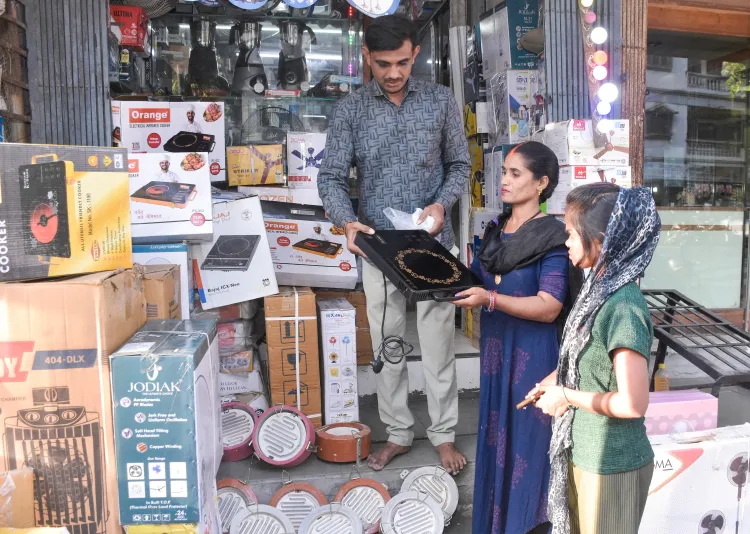
In light of the ongoing Iran conflict, top Indian officials are strategizing to boost the production of induction heaters and cooking utensils. This move aims to curb the reliance on cooking gas, addressing pressing supply chain issues amid rising demand for electrical cooking products.
Key Takeaways
The Indian government is focusing on increasing domestic production of induction heaters.
The initiative aims to reduce cooking gas dependency amid supply chain disruptions.
Demand for electrical cooking products has significantly sudden surge .
India is diversifying its energy imports, sourcing oil from Russia and African nations.
Uncertainties from the Middle East conflict continue to impact global oil supply.
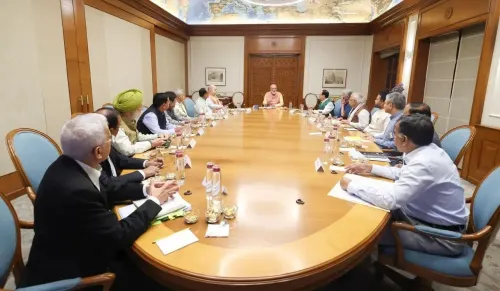
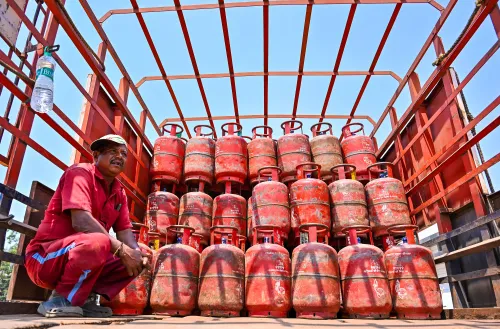
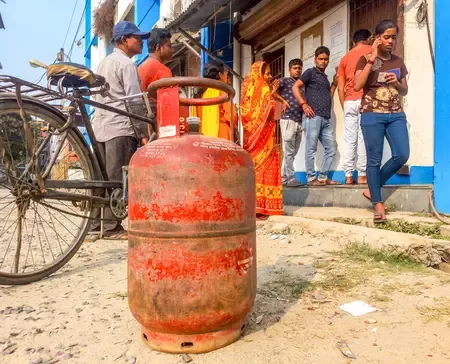
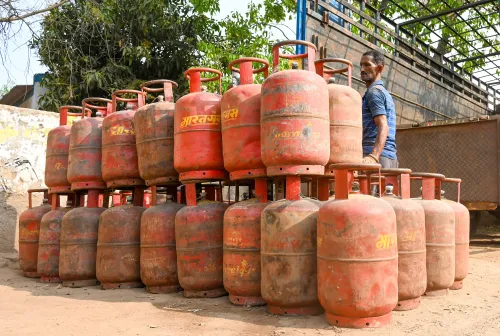
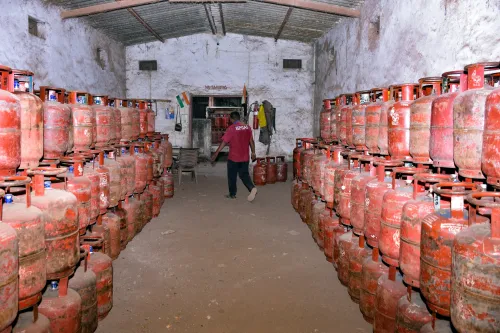
New Delhi, April 3 (NationPress) Senior officials from the government, including the Secretary of the Department for Promotion of Industry and Internal Trade, the Power Secretary, and the Director General of Foreign Trade (DGFT), convened on Friday to explore strategies aimed at enhancing the domestic production of induction heaters and cooking utensils. This initiative is part of efforts to reduce reliance on cooking gas amid supply chain disruptions triggered by the ongoing conflict in Iran, as reported by official sources.
Since the onset of the crisis in West Asia, the demand for induction heaters and similar electrical products has surged significantly. A senior official emphasized the necessity for India to brace itself against potential challenges should the war persist for an extended period.
This meeting, focused on assessing the current situation, comes as authorities prepare for a potential long-term conflict and evaluate the repercussions of disruptions in the importation of oil, gas, and petrochemical products. The government has proactively reduced import duties on various petrochemical items to mitigate supply concerns and alleviate cost pressures.
Sources indicate that the government is prioritizing the availability of essential products while striving to minimize import dependence amidst global uncertainties stemming from the Middle East conflict.
Damage to critical energy infrastructure, including a significant liquefied natural gas facility in Qatar, has heightened uncertainty surrounding oil imports from the Middle East, which have been adversely affected by the near shutdown of the Strait of Hormuz, a crucial transit route for 20% of the world's energy supply.
In response, India has diversified its oil import sources, increasingly purchasing crude oil from Russia and African nations like Nigeria and Angola to fill the gap in its imports. Indian oil companies are also sourcing gas from the United States.
Amidst this backdrop, uncertainty surrounding the Middle Eastern conflict continues, particularly following a nationwide address by US President Trump, where he stated that the US military would take decisive action against Iran in the coming weeks. He emphasized the intent to “bring them back to the Stone Ages where they belong.”
In response, Iran's Foreign Minister, Abbas Araghchi, expressed skepticism on social media, highlighting that there was a time when no oil or gas was being produced in the Middle East.
As the conflict approaches its second month, Trump has reiterated threats while US military deployments in the region continue. Iran has dismissed reports of ceasefire discussions and a proposed 15-point peace initiative, labeling it as “extremely maximalist and unreasonable.”
Point of View
The government's initiative to ramp up domestic production of induction heaters reflects a strategic response to the geopolitical landscape. This move not only aims to mitigate the impact of the Iran conflict but also positions India to become less reliant on imported energy resources, enhancing national energy security.
NationPress
19 Sept 2026
Frequently Asked Questions
What is the purpose of increasing induction heater production?
The aim is to reduce reliance on cooking gas and address supply chain disruptions caused by the ongoing conflict in Iran.
How has the Iran war affected India's energy imports?
The conflict has resulted in increased uncertainty over oil imports from the Middle East, prompting India to diversify its sources.
What steps has the Indian government taken regarding petrochemical imports?
The government has reduced import duties on several petrochemical products to alleviate supply concerns and cost pressures.
Which countries is India sourcing oil from amid the crisis?
India is increasingly importing crude oil from Russia and African nations like Nigeria and Angola.
What is the significance of the Strait of Hormuz in this context?
The Strait of Hormuz is a crucial transit route for 20% of the world’s energy supply, and its near shutdown has heightened import uncertainties.