PM Modi Leads CCS Meeting to Address West Asia Conflict's Impact on India
Synopsis
In a crucial CCS meeting, PM Modi discusses strategies to mitigate the impact of the West Asia crisis on India's economy and citizens, ensuring stable supplies of essentials and addressing energy security concerns.
Key Takeaways
Proactive measures to ensure uninterrupted supply of essentials.
Focus on energy security through diversified sources.
Enhanced monitoring against black marketing of fertilizers.
Stable prices of food commodities maintained.
Commitment to protect India's economic stability amidst global challenges.
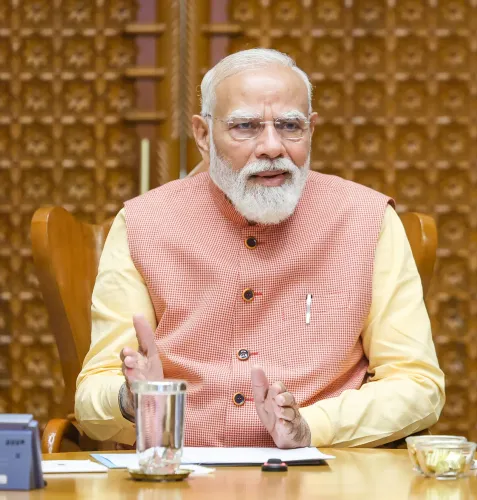
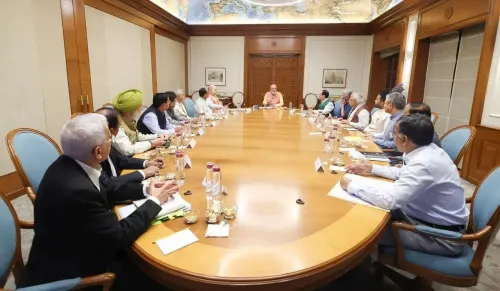
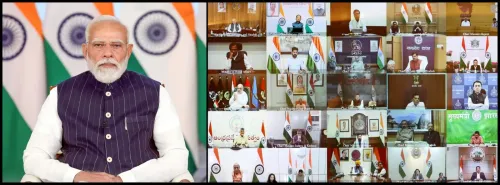
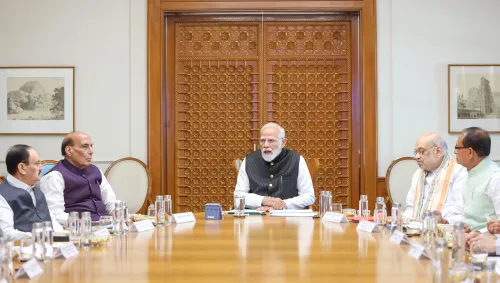
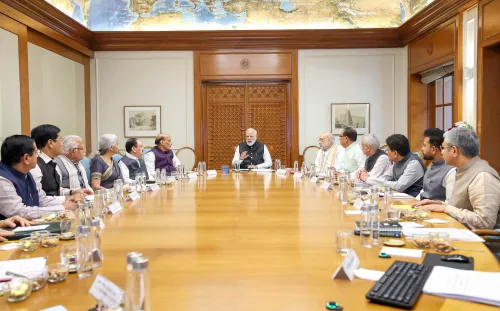
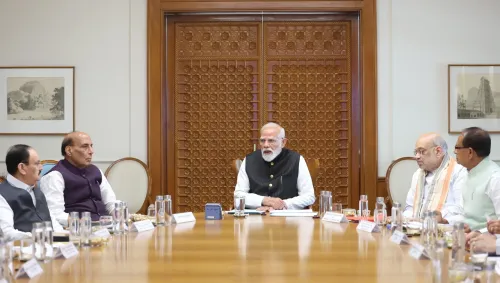
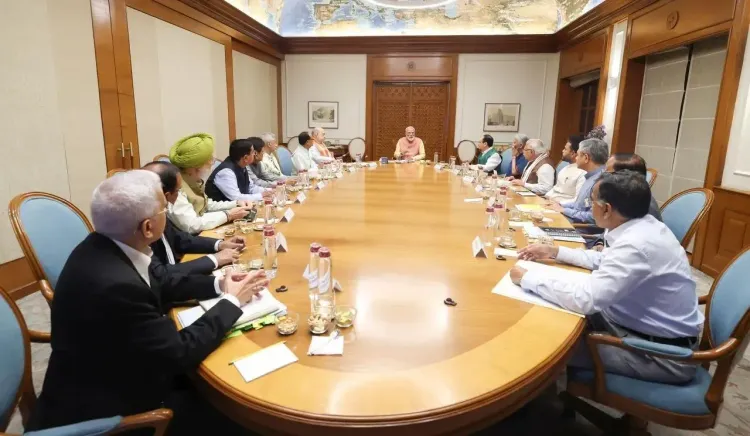
New Delhi, April 1 (NationPress) Prime Minister Narendra Modi convened a critical meeting of the Cabinet Committee on Security (CCS) at his residence to evaluate the ongoing conflicts in West Asia and formulate strategies to shield India's economy, energy security, and its citizens from the ensuing challenges.
This marks the second significant review since the conflict began on February 28, 2026.
The discussions were geared towards ensuring a steady supply of essential goods and addressing potential disruptions caused by the Strait of Hormuz, a vital passage for global oil transportation.
Cabinet Secretary T.V. Somanathan provided an update on actions taken by various ministries to secure fuel supplies, especially LPG and LNG, along with ensuring sufficient electricity supply during the approaching summer.
Among the key points discussed were diversifying the sources of LPG and LNG from new nations, keeping domestic LPG prices stable for consumers, and enhancing efforts against hoarding and black marketing.
Strategies to extend Piped Natural Gas (PNG) connections were also reviewed.
For the power sector, recommendations included exempting 7-8 GW of gas-based plants from pooling mechanisms and boosting coal rake movements to thermal power stations, ensuring that adequate coal reserves will meet the upcoming demand.
Comprehensive reviews of interventions for agriculture, fertilizers, civil aviation, shipping, logistics, and MSMEs were conducted.
To guarantee fertilizer availability for both the Kharif and Rabi seasons, the Union government is sustaining urea production and coordinating with international suppliers for Di-ammonium Phosphate (DAP) and Nitrogen, Phosphorus, and Potassium (NPK).
States have been instructed to monitor daily, conduct raids, and take strict action against fertilizer black marketing and diversion.
The prices of food items, fruits, and vegetables have remained stable over the last month.
Control Rooms have been established for real-time monitoring and coordination with states and Union Territories to ensure price stability and enforce the Essential Commodities Act.
Prime Minister Modi urged all departments to take every necessary action to protect citizens from the consequences of the West Asia conflict and to guarantee timely dissemination of accurate information to counter misinformation and rumors.
He specifically evaluated the availability of essential resources for the common man and stressed the importance of maintaining smooth supply chains through global diversification of energy and fertilizer sources.
Additionally, diplomatic measures to ensure safe passage for vessels through the Strait of Hormuz and improved coordination at various governmental levels were assessed.
The Union government remains dedicated to proactive strategies that safeguard India's economic stability and the well-being of its populace amidst the volatile global situation triggered by the West Asia crisis.
Point of View
It is imperative to recognize the significance of PM Modi's proactive approach to the ongoing West Asia crisis. The CCS meeting illustrates a commitment to safeguarding India's economic interests and ensuring the welfare of its citizens amidst global uncertainties.
NationPress
19 Sept 2026
Frequently Asked Questions
What was the purpose of the CCS meeting chaired by PM Modi?
The meeting aimed to assess the impact of the West Asia conflict on India and to devise strategies to protect the economy, energy security, and citizens.
What critical issues were addressed in the meeting?
Key issues included ensuring the supply of essential commodities, securing fuel supplies, and stabilizing prices amidst potential disruptions.
How is the government ensuring fertilizer availability?
The Union government is maintaining urea production levels and coordinating with overseas suppliers for key fertilizers to meet agricultural needs.
What measures are being taken for the power sector?
The meeting discussed exempting certain gas plants from pooling mechanisms and increasing coal supplies to thermal power stations.
What is the government's stance on misinformation regarding the crisis?
PM Modi directed all departments to ensure timely communication of accurate information to prevent misinformation and rumors.