Modi chairs 4th CCS meeting on West Asia conflict: Energy, seafarers reviewed
Synopsis
This was India's fourth high-level security review triggered by the West Asia conflict — and the agenda went well beyond diplomacy. With refineries running above 100 per cent capacity, LPG sources being diversified, and a new seafarer-support mechanism ordered, the CCS session reveals the breadth of India's exposure to the crisis and the scale of contingency planning now underway.
Key Takeaways
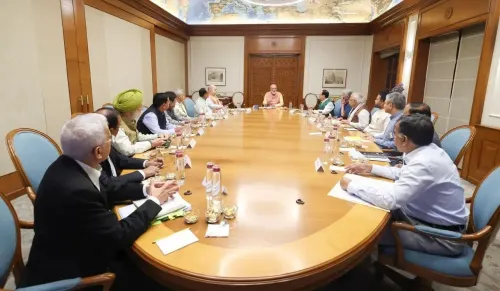
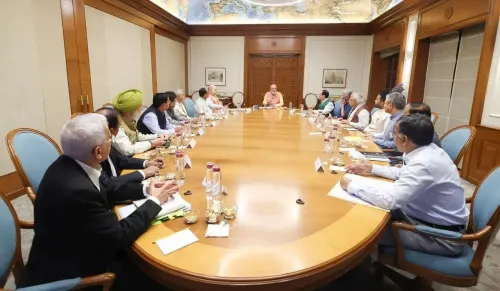
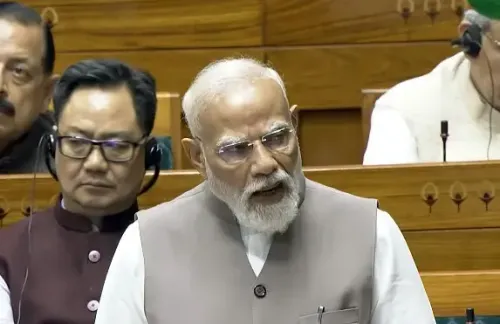
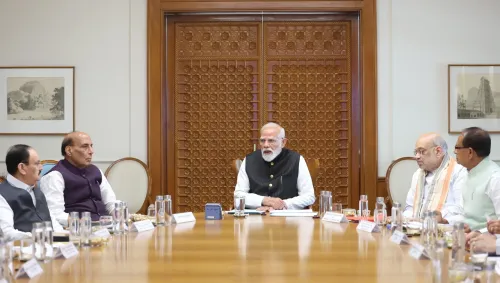
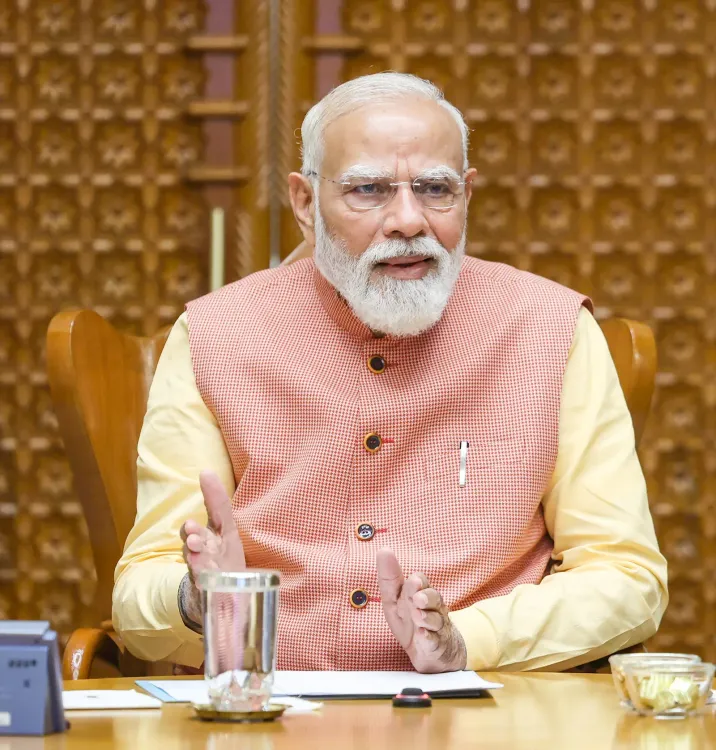
PM Narendra Modi chaired the fourth special CCS meeting on the West Asia conflict on 30 July .
Indian refineries are operating at over 100 per cent utilisation ; LPG procurement sources have been diversified.
Fertiliser supply for the upcoming Rabi season was reviewed, with alternate sources identified.
A dedicated mechanism for timely information, emergency assistance, and counselling for seafarers and their families has been directed.
Modi called for greater focus on renewable energy , including solar, as part of India's long-term energy independence push.
A 'whole-of-government approach' with unified coordination has been ordered for ongoing monitoring.
Prime Minister Narendra Modi on Thursday, 30 July chaired the fourth special meeting of the Cabinet Committee on Security (CCS) to assess India's preparedness in the face of the intensifying West Asia conflict. The high-level review centred on the continuity of energy supplies, availability of fertilisers, and the protection of Indian citizens and seafarers caught in conflict zones.
Energy Security at the Fore
The Cabinet Secretary briefed the CCS on the prevailing geopolitical situation, detailing steps already taken to secure uninterrupted supplies of petroleum products, including LNG, LPG, and fertilisers, according to a statement from the Prime Minister's Office (PMO). Procurement sources for LPG have been diversified, and Indian refineries are reportedly operating at utilisation levels exceeding 100 per cent, sustaining production of petrol, diesel, and allied petroleum products.
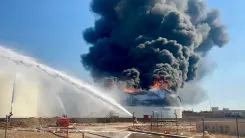
The meeting also reviewed the ongoing expansion of Piped Natural Gas (PNG) connections, which have recorded a substantial rise in recent months. This comes amid broader global pressure on fossil fuel supply chains triggered by the regional conflict.
Fertiliser Supply for Rabi Season
The CCS assessed fertiliser requirements ahead of the forthcoming Rabi season, with alternate procurement sources placed on the table for discussion. Prime Minister Modi directed officials to ensure that all measures be taken to guarantee an uninterrupted supply of fertilisers to farmers — a critical imperative given that any disruption could directly affect agricultural output and rural incomes.
Seafarers and Citizens in Conflict Zones
The situation of Indian seafarers serving aboard both domestic and foreign-flagged vessels operating in conflict-affected waters was taken up at length. Modi instructed the establishment of a dedicated mechanism to provide timely information, emergency assistance, and counselling to seafarers and their families — a directive that reflects the scale of India's maritime workforce exposure to West Asian shipping lanes.
He further stressed that every effort must be made to protect Indian citizens and members of the Indian diaspora from the fallout of the ongoing conflict.
Push for Renewable Energy Independence
Notably, Modi used the security review to reiterate India's long-term energy strategy, calling for a sharper focus on renewable energy sources, including solar and other non-fossil fuel alternatives. The emphasis signals that the government views the West Asia crisis as an accelerant for India's energy transition agenda, not merely a short-term supply challenge.
Whole-of-Government Coordination Ordered
The PMO statement confirmed that Modi directed the continuation of a 'whole-of-government approach', with a unified, coordinated mechanism for regular monitoring of developments. The instruction calls for expeditious implementation of measures to safeguard citizens' interests as the situation in West Asia remains fluid.
This is the fourth such special CCS convening on the West Asia conflict, underscoring the sustained attention at the highest levels of India's security establishment. With the Rabi season approaching and global energy markets under strain, the pace of follow-through on Thursday's directives will be closely watched.
Point of View
Agriculture, maritime safety, and diaspora welfare all in one sitting. India's exposure to West Asian instability is structural — the region supplies a large share of India's crude and employs millions of its workers. The directive to establish a seafarer-support mechanism is overdue; Indian maritime workers have historically been among the last to receive institutional backing during crises. The renewable energy push, while strategically sound, will need more than a CCS directive to translate into reduced import dependence at the pace the conflict demands.
NationPress
14 Sept 2026
Frequently Asked Questions
Why did PM Modi chair a CCS meeting on the West Asia conflict?
PM Modi chaired the fourth special Cabinet Committee on Security (CCS) meeting on 30 July to review India's preparedness amid the escalating West Asia conflict. The session focused on securing energy supplies, ensuring fertiliser availability for the Rabi season, and protecting Indian citizens and seafarers in conflict-affected areas.
What steps has India taken to secure energy supplies amid the West Asia conflict?
Indian refineries are operating at over 100 per cent utilisation to sustain production of petrol, diesel, and other petroleum products. LPG procurement sources have been diversified, and the expansion of Piped Natural Gas connections has been accelerated, according to the PMO.
How is India protecting its seafarers in conflict zones?
PM Modi directed the establishment of a dedicated mechanism to provide timely information, emergency assistance, and counselling to Indian seafarers serving on vessels in conflict zones, as well as support for their families back home.
What was decided about fertiliser supply for the Rabi season?
The CCS assessed fertiliser requirements for the upcoming Rabi season and discussed alternate procurement sources. PM Modi directed officials to take all necessary measures to ensure an uninterrupted supply of fertilisers to farmers.
What is the 'whole-of-government approach' Modi ordered?
Modi directed that a unified, coordinated mechanism be maintained across all government departments for regular monitoring of the West Asia situation. The aim is to ensure swift implementation of measures to protect Indian citizens' interests as the conflict evolves.