Modi chairs Cabinet meet on West Asia crisis, India's oil and fuel supply
Synopsis
With the Strait of Hormuz choked and Indian seafarers dying in a conflict zone, PM Modi convened his top Cabinet ministers and the NSA on 30 July to assess India's energy exposure. Crude prices have eased from $114.5 to $77.6 a barrel, but the government's multi-pronged response — from ECLGS 5.0 to maritime insurance relief — signals that New Delhi is bracing for a prolonged crisis.
Key Takeaways
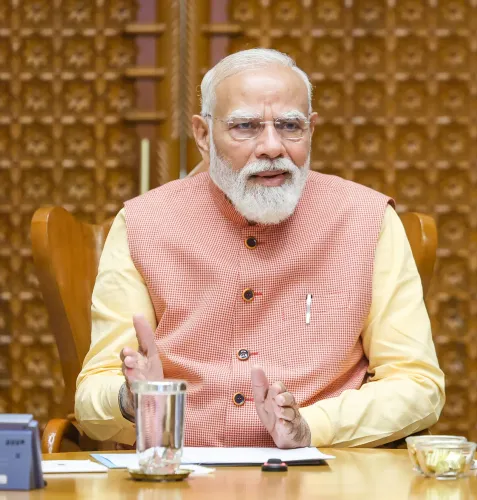
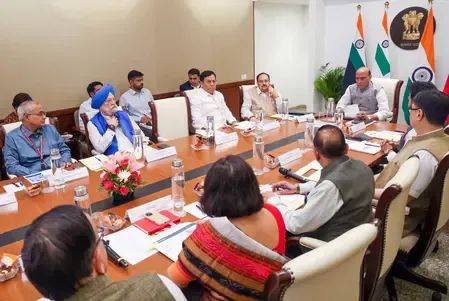
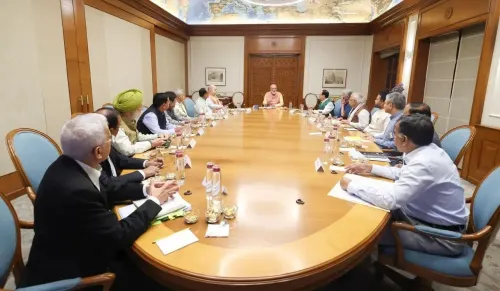
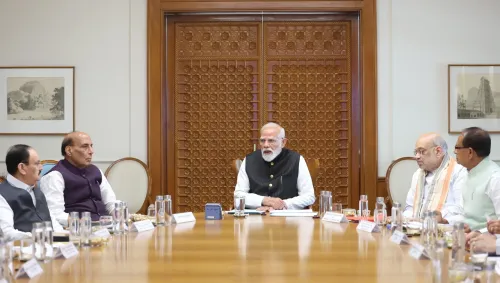
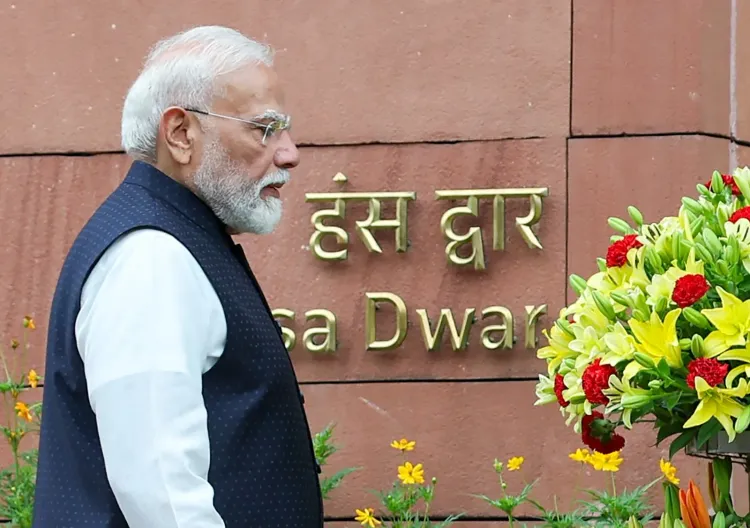
PM Modi chaired a high-level Cabinet meeting on 30 July at his Parliament office to review the West Asia crisis .
Attendees included Home Minister Amit Shah , Defence Minister Rajnath Singh , EAM S.
Jaishankar , Finance Minister Nirmala Sitharaman , and NSA Ajit Doval .
The Strait of Hormuz , through which 20% of global oil and gas flows, remains choked, causing supply shortfalls and price spikes.
India's average crude oil basket price fell from $114.5/barrel in April 2026 to $77.6/barrel by 22 July 2026 .
Deaths of Indian seafarers in the conflict zone have been taken up with Iran and the United States .
Government measures include customs duty exemptions, the RELIEF maritime insurance scheme , restored RoDTEP benefits, and ECLGS 5.0 liquidity support.
Prime Minister Narendra Modi on Thursday, 30 July chaired a high-level Cabinet meeting at his Parliament office to review the escalating West Asia crisis and its direct impact on India's energy and fuel supplies. The session brought together the country's top security and economic decision-makers as global oil markets remain under severe strain.
Who Was in the Room
The meeting was attended by Home Minister Amit Shah, Defence Minister Rajnath Singh, External Affairs Minister S. Jaishankar, and Finance Minister Nirmala Sitharaman. National Security Advisor Ajit Doval was also present, underscoring the security dimension of the deliberations. Petroleum Minister Hardeep Singh Puri, Health Minister J.P. Nadda, Commerce Minister Piyush Goyal, and Ports and Shipping Minister Sarbananda Sonowal rounded out the high-profile attendance.
The Core Concern: Hormuz and Oil Supplies
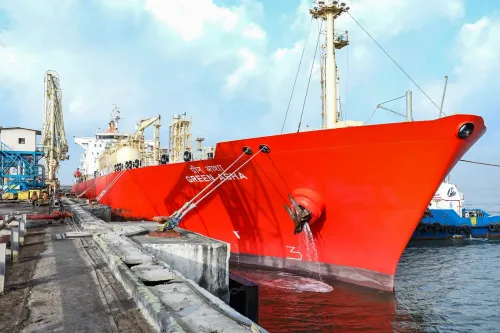
According to sources, the central agenda was the continued choking of the Strait of Hormuz, through which 20 per cent of the world's oil and gas is exported. The blockage has triggered a shortfall of petroleum products in global markets and a sharp spike in prices. Commercial ships operating in the region have also come under attack, compounding supply chain risks. Notably, the deaths of Indian seafarers in the conflict zone have emerged as a major concern, with the government having taken up the matter with both Iran and the United States.
How Oil Prices Have Moved
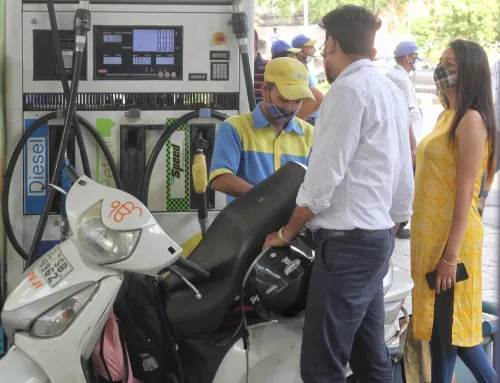
Despite the crisis, India's average crude oil basket prices have eased considerably — from $114.5 per barrel in April 2026 to $77.6 per barrel by 22 July 2026. The relief, however, remains fragile given ongoing geopolitical volatility, and the country's crude oil import bill has already widened due to the conflict's initial price surge.
Government's Response Measures
The Centre this week informed Parliament that it has rolled out a range of interventions to cushion the economic impact. These include a temporary customs duty exemption on selected petrochemical feedstock, the launch of the Bharat Maritime Insurance Pool RELIEF (Resilience and Logistics Intervention for Export Facilitation) Scheme to support businesses facing elevated freight and war-risk costs, and the restoration of RoDTEP (Remission of Duties and Taxes on Exported Products) benefits. Liquidity support has also been extended through ECLGS 5.0 (Emergency Credit Line Guarantee Scheme).
Agricultural and Industrial Safeguards
The government has moved to ensure adequate availability of fertilisers and other essential agricultural inputs through assured gas supplies, diversification of import sources, advance procurement, and maintenance of buffer stocks. These steps are aimed at insulating domestic industrial activity and macroeconomic stability from further supply chain disruptions. With the West Asia situation still fluid, the frequency of such high-level reviews is expected to increase in the weeks ahead.
Point of View
Not merely an economic one. The deaths of Indian seafarers add a consular and diplomatic dimension that is receiving less public attention than the oil price numbers. The easing of crude from $114.5 to $77.6 a barrel is real relief, but it is partly a function of global demand softening rather than India's own diplomatic maneuvering. The more consequential question is whether India's import diversification strategy, tested under the Russia-Ukraine shock, is now robust enough to absorb a second simultaneous supply disruption — and whether ECLGS 5.0 reaches the MSMEs and exporters most exposed to freight and war-risk cost spikes before the damage compounds.
NationPress
14 Sept 2026
Frequently Asked Questions
Why did PM Modi call a Cabinet meeting on 30 July 2026?
PM Modi convened the meeting to review the impact of the West Asia crisis on India's energy and fuel supplies, particularly the choking of the Strait of Hormuz and its effect on global oil markets. The safety of Indian seafarers in the conflict zone was also on the agenda.
Which ministers attended the Cabinet meeting on the West Asia crisis?
The meeting was attended by Home Minister Amit Shah, Defence Minister Rajnath Singh, External Affairs Minister S. Jaishankar, Finance Minister Nirmala Sitharaman, NSA Ajit Doval, Petroleum Minister Hardeep Singh Puri, Health Minister J.P. Nadda, Commerce Minister Piyush Goyal, and Ports and Shipping Minister Sarbananda Sonowal.
How has the West Asia crisis affected India's crude oil prices?
India's average crude oil basket price rose sharply due to the conflict but has since eased from $114.5 per barrel in April 2026 to $77.6 per barrel by 22 July 2026. However, the country's crude oil import bill has already widened due to the initial price surge.
What measures has the Indian government taken to counter the West Asia supply disruption?
The Centre has introduced a temporary customs duty exemption on petrochemical feedstock, launched the Bharat Maritime Insurance Pool RELIEF Scheme, restored RoDTEP benefits to offset higher freight and war-risk costs, and extended liquidity support through ECLGS 5.0.
What is the significance of the Strait of Hormuz for India?
The Strait of Hormuz is a critical global chokepoint through which 20 per cent of the world's oil and gas is exported. Its continued disruption directly threatens India's petroleum supply chain and raises fuel costs for one of the world's largest crude oil importers.