Rajnath Singh chairs 5th energy review meet amid West Asia conflict
Synopsis
As the West Asia conflict rattles global oil markets, India's Informal Group of Ministers has held its fifth review in as many weeks — and the headline message is stability: petrol and diesel prices unchanged, 50 lakh LPG cylinders distributed daily, and over 2,000 anti-hoarding raids conducted every day. The scale of the government's operational response signals just how seriously New Delhi is treating the supply risk.
Key Takeaways
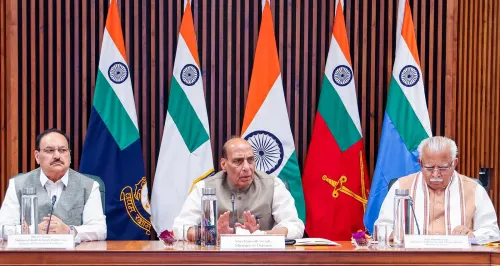
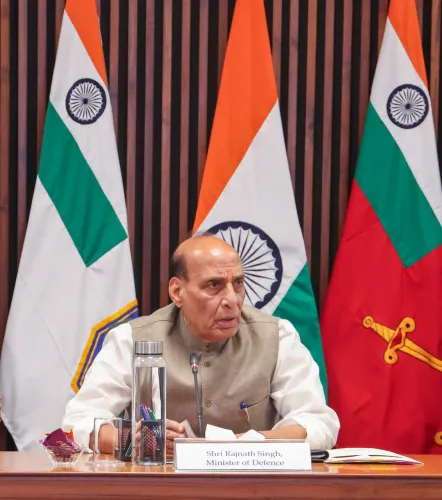
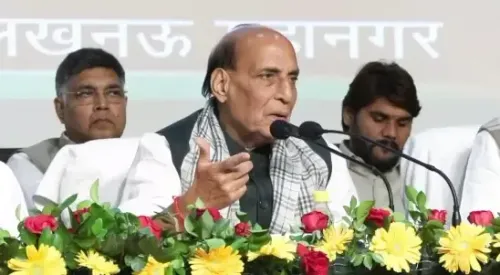
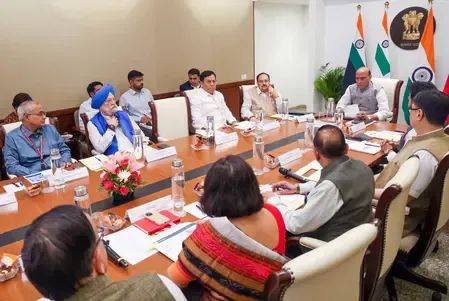
Defence Minister Rajnath Singh chaired the fifth Informal Group of Ministers meeting on 11 May to review energy supply risks amid the West Asia conflict .
Retail prices of petrol and diesel remain unchanged despite a global oil price spike; all refineries are operating at high capacity.
Public sector oil companies are distributing around 50 lakh domestic LPG cylinders every day, with no dry-outs reported.
More than 2,000 anti-hoarding raids are conducted daily; 378 LPG distributorships penalised and 76 suspended .
Total Piped Natural Gas connections stand at 9.16 lakh , with 7.08 lakh customers registered for new connections.
Online LPG bookings have reached 99 per cent , with 95 per cent of deliveries authenticated via mobile codes to prevent diversion.
Defence Minister Rajnath Singh on Monday, 11 May chaired the fifth meeting of the Informal Group of Ministers in New Delhi, reviewing risks to energy supply chains and the domestic availability of essential commodities in the wake of the ongoing conflict in West Asia. The high-level review underscores the Centre's effort to insulate Indian consumers from global oil market volatility.
What the Minister Said
Singh assured the public that the government is taking concrete steps to prevent shortages or disruptions in supply chains. "The government, under the leadership of PM Modi, has been working to ensure uninterrupted supplies of essential goods across the country," Singh said in a post on X, urging citizens to remain calm and avoid panic buying.
Fuel Prices and Refinery Operations
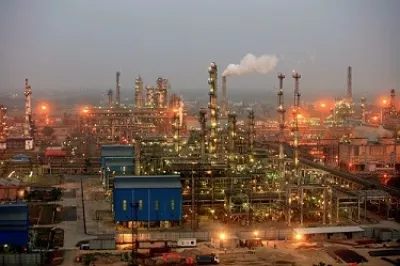
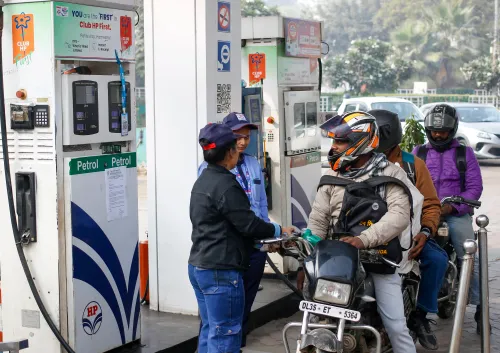
Retail prices for petrol and diesel remain unchanged despite a global spike in oil prices, according to a statement issued by the Ministry of Petroleum and Natural Gas. Adequate stocks of both fuels are available at petrol pumps of public sector oil companies — Indian Oil, Bharat Petroleum Corporation Limited (BPCL), and Hindustan Petroleum Corporation Limited (HPCL) — across the country. All refineries are operating at high capacity with adequate crude inventories, the ministry stated.
LPG Supply and Anti-Diversion Measures
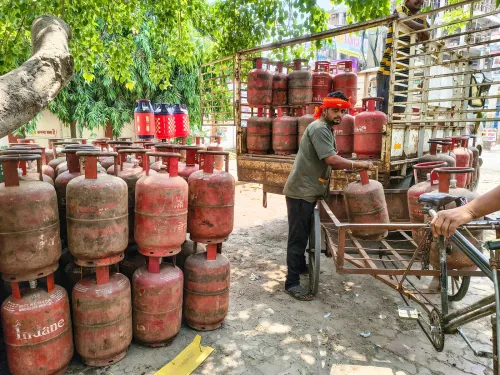
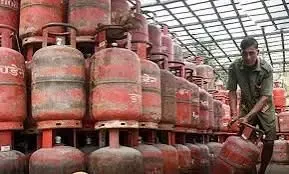
Public sector oil companies are distributing around 50 lakh domestic Liquefied Petroleum Gas (LPG) cylinders every day, with no dry-outs reported at retail distributorships. Local LPG production from refineries has been increased to support domestic consumption. Online bookings for cooking gas have risen to 99 per cent, while 95 per cent of LPG deliveries are now authenticated via codes sent to consumers' registered mobile numbers to prevent diversion at the distributor level.
Small 5 kg LPG cylinders used by migrant labourers are also being sold by oil companies. Since 3 April, public sector oil companies have organised more than 10,700 camps to raise awareness about these cylinders.
Gas Infrastructure and Enforcement Action
About 6.5 lakh Piped Natural Gas connections have been gasified, with infrastructure created for an additional 2.66 lakh connections — taking the total to 9.16 lakh connections. A further 7.08 lakh customers have been registered for new connections.
On the enforcement front, more than 2,000 raids are being conducted across the country every day to curb hoarding and black marketing of LPG. Public sector oil companies have imposed penalties on 378 LPG distributorships, while 76 distributorships had been suspended as of last week.
What Comes Next
With the West Asia conflict showing no signs of immediate resolution, the Informal Group of Ministers is expected to continue its periodic reviews. The government's ability to hold retail fuel prices steady while managing global crude volatility will remain a key indicator of supply chain resilience in the weeks ahead.
Point of View
Not a distant geopolitical event. Holding retail fuel prices steady while global crude spikes is a politically necessary but fiscally costly choice — one that will test the balance sheets of public sector oil companies if the conflict drags on. The 2,000-raids-a-day figure is striking: it reflects both the government's resolve and the underlying anxiety about hoarding pressure. The real question is how long price stability can be maintained without either a global de-escalation or a quiet revision at the pump.
NationPress
24 Sept 2026
Frequently Asked Questions
Why did Rajnath Singh chair an energy review meeting on 11 May?
Defence Minister Rajnath Singh chaired the fifth meeting of the Informal Group of Ministers on 11 May to assess risks to India's energy supply chains and essential commodity availability arising from the ongoing conflict in West Asia. The group has been meeting periodically to coordinate the government's response to potential disruptions.
Have petrol and diesel prices changed in India due to the West Asia conflict?
No, retail prices for petrol and diesel remain unchanged in India despite a global spike in oil prices, according to the Ministry of Petroleum and Natural Gas. Adequate stocks are available at pumps of Indian Oil, BPCL, and HPCL across the country.
How is India managing LPG supply during the West Asia crisis?
Public sector oil companies are distributing around 50 lakh domestic LPG cylinders every day, with local LPG production from refineries increased to support domestic consumption. No dry-outs have been reported at retail distributorships, and 95 per cent of deliveries are authenticated via mobile codes to prevent diversion.
What action is the government taking against LPG hoarding?
More than 2,000 anti-hoarding and anti-black-marketing raids are being conducted across India every day. As of last week, 378 LPG distributorships had been penalised and 76 suspended by public sector oil companies.
What is the current status of Piped Natural Gas connections in India?
About 6.5 lakh Piped Natural Gas connections have been gasified, with infrastructure created for an additional 2.66 lakh connections, bringing the total to 9.16 lakh. A further 7.08 lakh customers have been registered for new connections.