LPG supply update: 1.43 crore cylinders delivered in 3 days amid West Asia tensions
Synopsis
With West Asia tensions rattling global energy markets, India's petroleum ministry has moved fast — 1.43 crore LPG cylinders delivered in just three days, commercial allocations capped at 70 per cent of pre-crisis levels, and digital bookings hitting 99 per cent. The numbers suggest the supply chain is holding, but the government is clearly not leaving it to chance.
Key Takeaways
1.43 crore domestic LPG cylinders were delivered against bookings of approximately 1.50 crore in the last three days , as of 4 June .
No dry-outs reported at LPG distributorships across India, indicating a stable supply chain.
Online LPG bookings reached approximately 99 per cent on an industry basis in the last 24 hours ; DAC-based deliveries scaled to 96 per cent .
Commercial LPG allocation capped at 70 per cent of pre-crisis levels, including a 10 per cent reform-based component.
PSU oil marketing companies sold 19,372 metric tonnes of commercial LPG and 649 metric tonnes of auto LPG over the same three-day period.
Around 1.57 lakh 5-kg FTL cylinders sold and 9,200 cylinders distributed via 520 camps during the period.
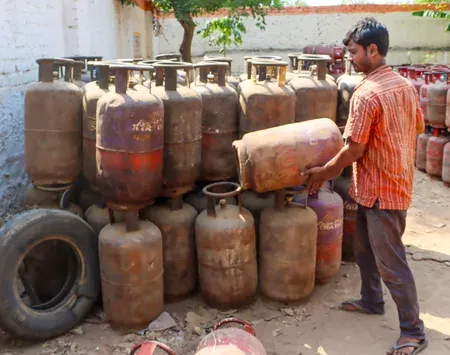
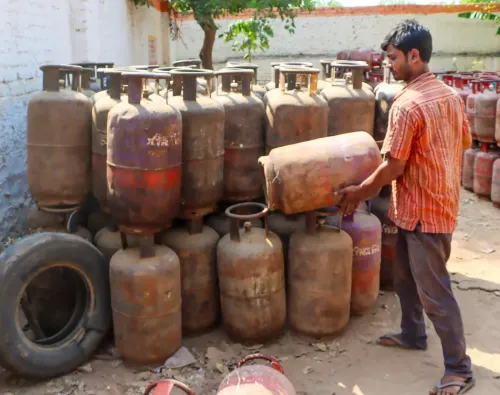
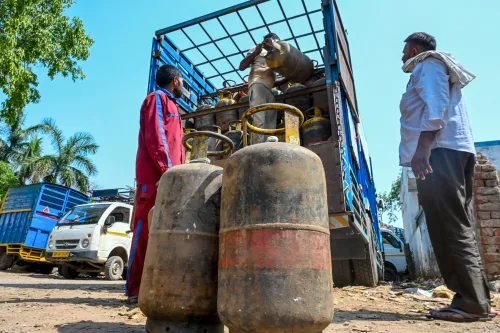
The Ministry of Petroleum & Natural Gas on Thursday, 4 June reported that 1.43 crore domestic LPG cylinders were delivered against bookings of approximately 1.50 crore cylinders over the preceding three days, as the government moved to reassure citizens of uninterrupted fuel supply amid the evolving situation in West Asia. The announcement signals a proactive push to prevent supply anxiety from translating into panic-buying or distribution stress.
Supply Position and Distribution Status
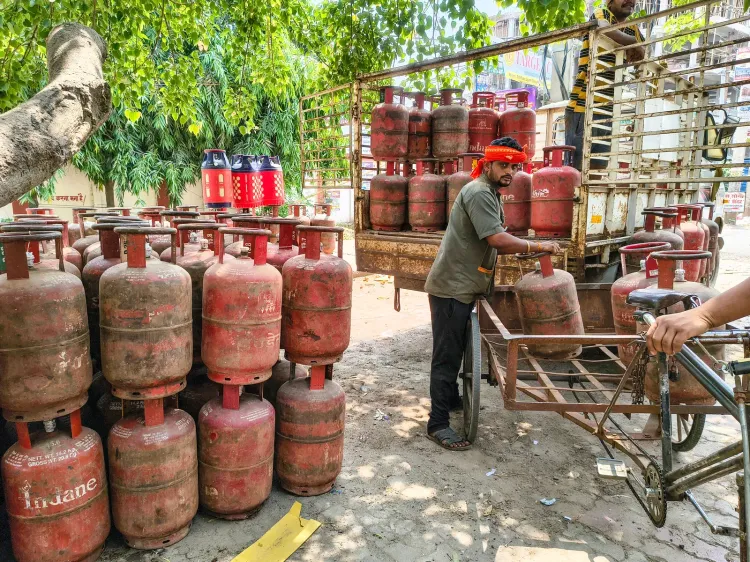
Officials confirmed that no dry-outs have been reported at LPG distributorships across the country, indicating that the supply chain remains intact despite geopolitical headwinds. Domestic households have been explicitly prioritised in the government's allocation strategy.
During the same three-day window, approximately 1.57 lakh 5-kg FTL cylinders were sold, and around 9,200 cylinders were distributed through roughly 520 outreach camps, extending last-mile reach to underserved areas.
Digital Delivery and Anti-Diversion Measures
The government reported a sharp uptick in secure delivery mechanisms. Online LPG cylinder bookings surged to approximately 99 per cent on an industry basis in the last 24 hours. Simultaneously, Delivery Authentication Code (DAC)-based deliveries were scaled up to around 96 per cent — a system that sends a unique code to the consumer's registered mobile number to verify and authenticate each delivery, reducing the risk of diversion at the distributor level.
This dual-layer digital push reflects a broader effort to tighten the supply chain at a moment when diversion risks typically rise during periods of perceived scarcity.
Commercial LPG Allocation Capped
On the commercial front, the government has capped total commercial LPG allocation at 70 per cent of pre-crisis levels, which includes a 10 per cent reform-based component. This cap is designed to redirect available stock toward domestic consumers while preventing commercial bulk-buying from straining household supply.
Public sector oil marketing companies sold a total of 19,372 metric tonnes of commercial LPG and approximately 649 metric tonnes of auto LPG over the three-day period, according to official figures.
Government's Broader Fuel Security Strategy
Officials described these steps as part of a coordinated national strategy to ensure fuel security, maintain supply chains, and protect consumers during a period of heightened geopolitical uncertainty. This comes amid broader government efforts to insulate key domestic sectors from external shocks linked to the West Asia situation. Notably, the near-universal shift to digital bookings also provides authorities with real-time visibility into demand patterns — a significant operational advantage during a supply-sensitive period.
With commercial allocations capped and domestic deliveries tracking close to booking levels, the government's immediate focus will be on sustaining this delivery rate as the geopolitical situation continues to evolve.
Point of View
Giving the government demand visibility it simply did not have in previous supply crunches. The 7-percentage-point gap between bookings and deliveries (1.50 crore booked versus 1.43 crore delivered) is worth watching: if it widens, it will signal that supply is beginning to lag demand. Capping commercial allocation at 70 per cent is a textbook demand-management move, but it will squeeze hotels, restaurants, and small manufacturers who depend on commercial cylinders — a trade-off the government has not yet publicly addressed.
NationPress
20 Oct 2026
Frequently Asked Questions
How many LPG cylinders were delivered in India in the last three days?
According to the Ministry of Petroleum & Natural Gas, approximately 1.43 crore domestic LPG cylinders were delivered against bookings of around 1.50 crore cylinders in the three days preceding 4 June 2025. No dry-outs were reported at distributorships across the country.
Why has the government capped commercial LPG allocation?
The government has capped commercial LPG allocation at 70 per cent of pre-crisis levels to prioritise domestic household supply amid geopolitical disruptions linked to the situation in West Asia. The cap includes a 10 per cent reform-based component.
What is the Delivery Authentication Code (DAC) system for LPG?
The DAC system sends a unique verification code to a consumer's registered mobile number, which must be shared with the delivery person to authenticate and complete the transaction. It is designed to prevent diversion of cylinders at the distributor level, and DAC-based deliveries have been scaled to around 96 per cent.
How have online LPG bookings changed during this period?
Online LPG cylinder bookings rose to approximately 99 per cent on an industry basis in the last 24 hours, according to official data. This near-universal digital uptake gives authorities real-time demand visibility during a supply-sensitive period.
What is the broader context behind these LPG supply measures?
The measures are a response to the evolving geopolitical situation in West Asia, which has raised concerns about global energy supply chains. The government has described these steps as part of a coordinated strategy to ensure fuel security and protect consumers during a period of heightened uncertainty.