Rajnath Singh: IGoM 6th meet reviews supply chains amid West Asia tensions
Synopsis
Union Defence Minister Rajnath Singh announced the 6th IGoM meeting reviewed India's essential commodity supplies and supply-chain resilience amid the West Asia conflict. He declared the supply situation normal and urged citizens to avoid panic-buying petrol, diesel, and LPG, crediting PM Modi's leadership for the government's effective response.
Key Takeaways
The 6th meeting of the IGoM (Inter-Ministerial Group of Ministers) was held on May 27, 2026 to review essential commodity availability and supply-chain resilience.
The review was convened specifically in the context of the West Asia conflict and its potential impact on India's energy and commodity imports.
Union Defence Minister Rajnath Singh confirmed that the overall supply situation in India is currently normal .
Citizens were urged to avoid panic-buying petrol, diesel, and LPG; the government stated it is taking all steps to ensure availability.
The IGoM expressed gratitude to PM Narendra Modi for his leadership and 'farsighted vision' during the crisis period.
India has a history of deploying inter-ministerial coordination mechanisms during West Asian instability, including after the 1990-91 Gulf War and the 2022 Russia-Ukraine war .
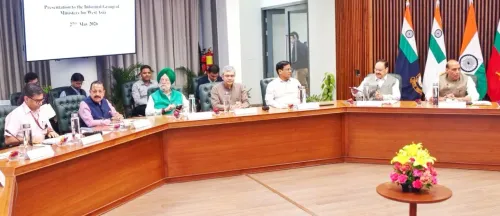
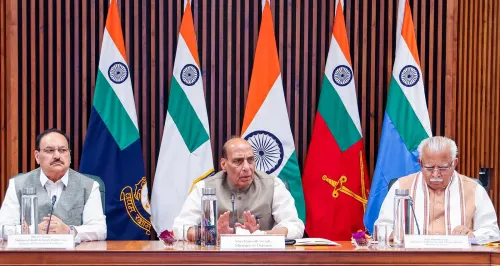
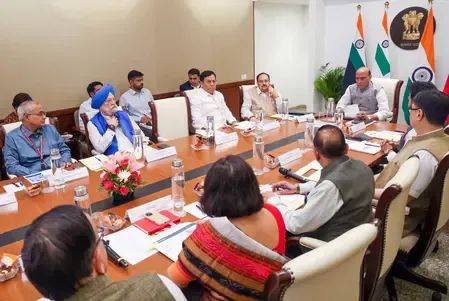
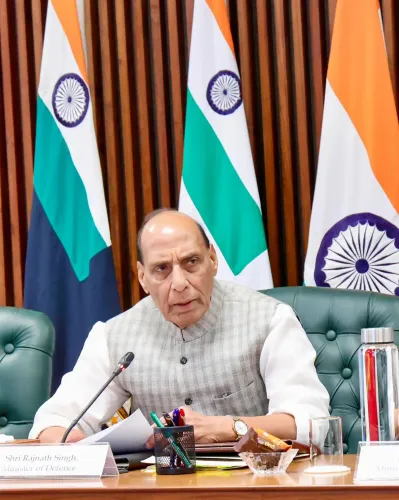
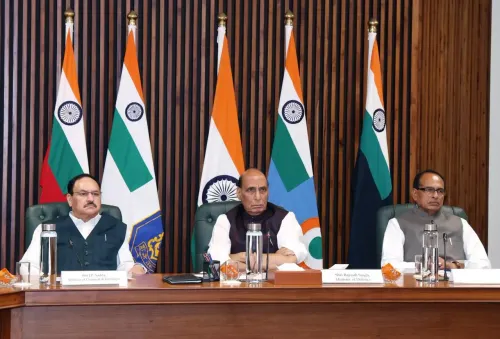
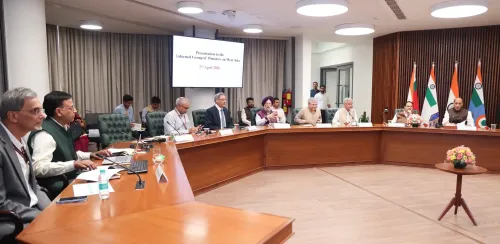
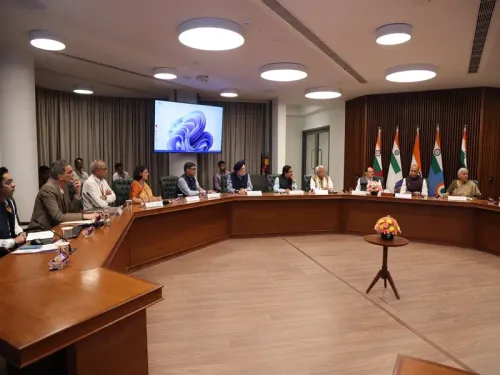
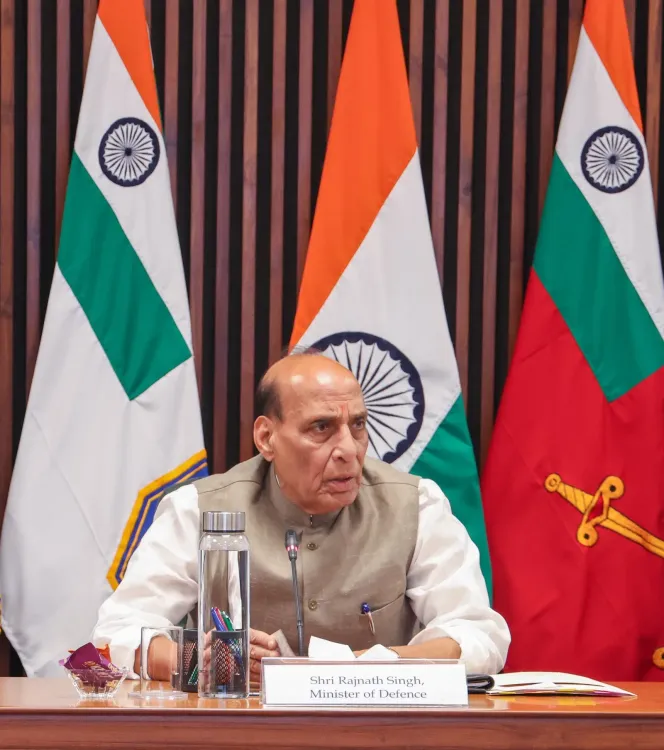
Union Defence Minister Rajnath Singh on Wednesday, May 27, 2026, announced that the sixth meeting of the Inter-Ministerial Group of Ministers (IGoM) was convened to review the availability of essential commodities and the resilience of India's supply chains in light of the ongoing situation in West Asia. Singh reassured citizens that the supply situation across the country remains normal and urged the public to refrain from panic-buying petrol, diesel, and LPG.
Context
Posting on X, Rajnath Singh stated that the government, under the leadership of Prime Minister Narendra Modi, 'has been doing excellent work since the conflict in West Asia broke out.' The Group of Ministers expressed gratitude to PM Modi for his 'farsighted vision and providing outstanding leadership during difficult times.' Singh's post carried four images, underscoring the formal nature of the review meeting.
The IGoM is an inter-ministerial coordination body constituted by the central government specifically to monitor domestic prices and availability of essential commodities — including fuel, edible oils, and foodgrains — during periods of external economic or geopolitical stress. The sixth meeting signals that the mechanism has been in sustained operation since the latest West Asian conflict escalated.
Policy Backdrop
India's use of inter-ministerial monitoring groups during West Asian crises has precedent stretching back to the 1990-91 Gulf War, the 2011 Libyan crisis, and the 2022 Russia-Ukraine war. Each episode prompted the central government to combine diplomatic diversification of oil-import sources with domestic administrative oversight of stock levels and retail prices.
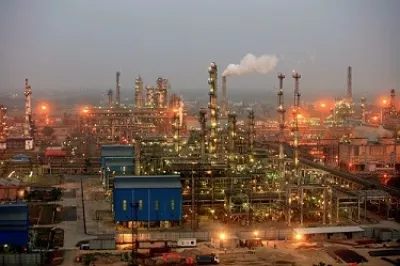
After the conflict in West Asia re-intensified in October 2023, the government revived and expanded this coordination architecture. India had also been expanding its Strategic Petroleum Reserves since 2021-22 to build buffers against supply disruptions originating from the Middle East, particularly vulnerabilities around the Strait of Hormuz and Red Sea shipping lanes. The IGoM reviews fit within this broader framework of preparedness.
Stakeholders and Impact
The most immediate audience for Singh's statement is the Indian consuming public. His explicit appeal — 'Citizens should avoid panic purchase of petrol, diesel and LPG as the Govt is pulling out all stops to ensure the availability of all essential items' — is directed at preventing demand-side disruptions that could compound any supply-side pressures from the global market.
Fuel and LPG distributors, as well as retailers of edible oils and foodgrains, are also key stakeholders. A government-level assurance of normal supply conditions is intended to stabilise distributor behaviour and prevent hoarding or speculative pricing at the retail end of the chain. Indian consumers, particularly in urban centres and among lower-income households dependent on subsidised LPG, stand to benefit most from a stable supply environment.
What's Next
Further IGoM meetings are expected if the West Asian situation continues to evolve. Analysts will watch for any announcements from the Finance Ministry on subsidy revisions or strategic stock releases, particularly ahead of the monsoon season when logistics and distribution networks face additional strain. Parliamentary scrutiny of the government's energy-security preparedness is also anticipated in upcoming sessions.
The government's public communication strategy — combining a senior Cabinet minister's reassurance with a formal inter-ministerial review — suggests that managing public confidence is as central to its response as managing physical commodity stocks. How effectively the IGoM's monitoring translates into price stability at the consumer level will be the key metric to watch in the weeks ahead.
Point of View
From the Gulf War to the Russia-Ukraine conflict. By crediting PM Modi's 'farsighted vision,' the BJP is also weaving domestic political messaging into what is ostensibly a technocratic supply-chain review. The durability of this reassurance will ultimately depend on whether commodity prices at the retail level remain stable in the weeks ahead.
NationPress
23 Sept 2026
Frequently Asked Questions
What is the IGoM and why was its 6th meeting held?
The IGoM, or Inter-Ministerial Group of Ministers, is a central government body that monitors the availability of essential commodities and supply-chain resilience during external shocks. Its 6th meeting was held on May 27, 2026 to review the domestic impact of the ongoing West Asia conflict on fuel and essential goods supplies.
Is there a shortage of petrol, diesel or LPG in India due to the West Asia conflict?
According to Union Defence Minister Rajnath Singh, the supply situation in India is currently normal. The government has urged citizens to avoid panic-buying petrol, diesel, and LPG, stating it is taking all necessary steps to ensure availability.
What is India's strategic response to the West Asia conflict's impact on energy supplies?
India has been expanding its Strategic Petroleum Reserves since 2021-22 and has deployed an inter-ministerial monitoring group to track domestic prices and stock levels. The government is also diversifying its oil-import sources to reduce dependence on any single region.
Why is West Asia important for India's fuel supply?
West Asia is a major source of India's crude oil and LPG imports. Conflicts in the region can disrupt shipping through critical chokepoints like the Strait of Hormuz and Red Sea lanes, affecting global energy prices and India's import costs.
What should Indian citizens do during the West Asia conflict situation?
The government has advised citizens to avoid panic-buying of petrol, diesel, and LPG. Authorities have confirmed that supplies are adequate and that all steps are being taken to maintain availability of essential commodities across the country.