India Requires Continuous Monitoring and Strategic Response Amid West Asia Crisis: Rajnath Singh
Synopsis
Defence Minister Rajnath Singh highlights the necessity for India to maintain constant vigilance and a well-planned response approach in light of the ongoing crisis in West Asia. This proactive strategy aims to minimize any adverse effects on the nation.
Key Takeaways
Continuous monitoring is critical for India's preparedness.
The Government has established an Informal Group of Ministers (IGoM) for proactive strategies.
Measures are in place to alleviate the impact on manufacturing and industry.
Priority is given to ensuring reliable LPG supply .
Strategies include customs duty exemptions and relief packages.
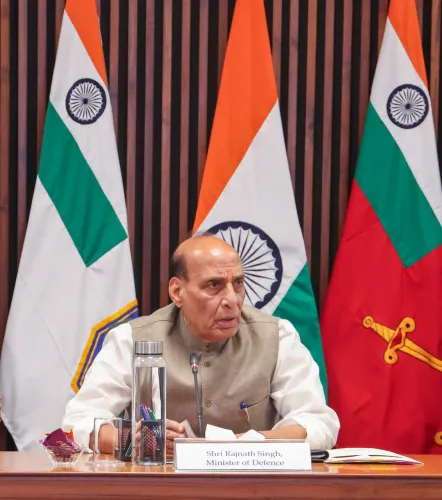
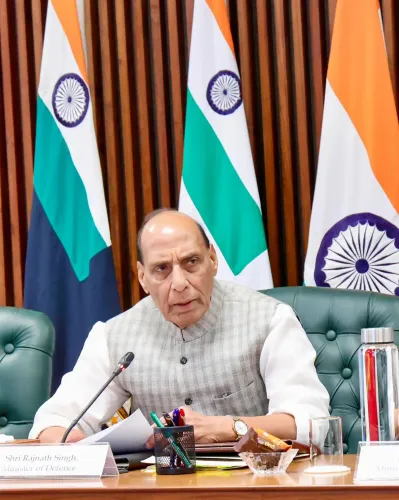
New Delhi, April 2 (NationPress) Continuous monitoring and a strategic response are essential for India to remain vigilant and capable of addressing any unforeseen circumstances amid the ongoing West Asia crisis, stated Defence Minister Rajnath Singh on Thursday.
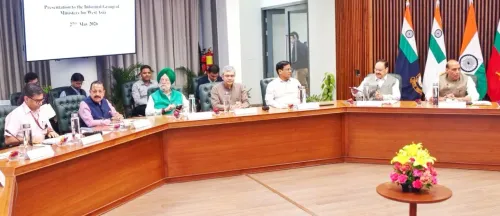
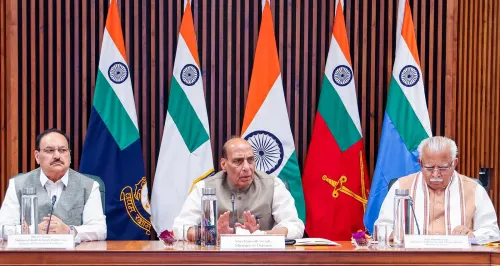
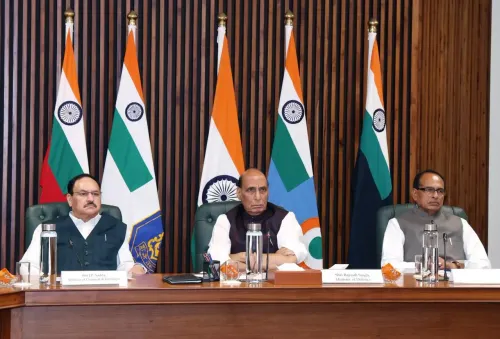
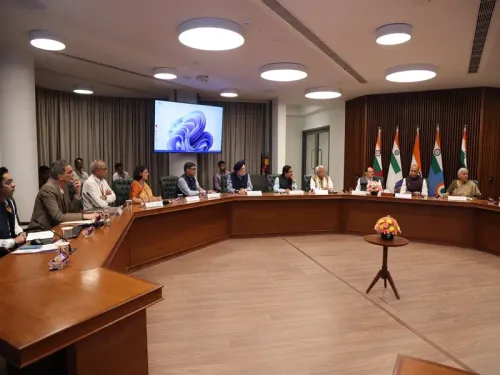
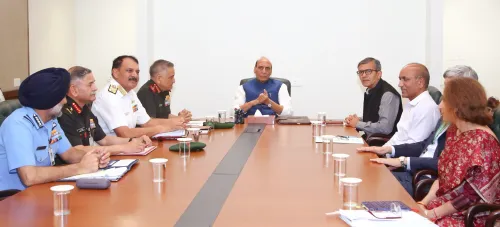
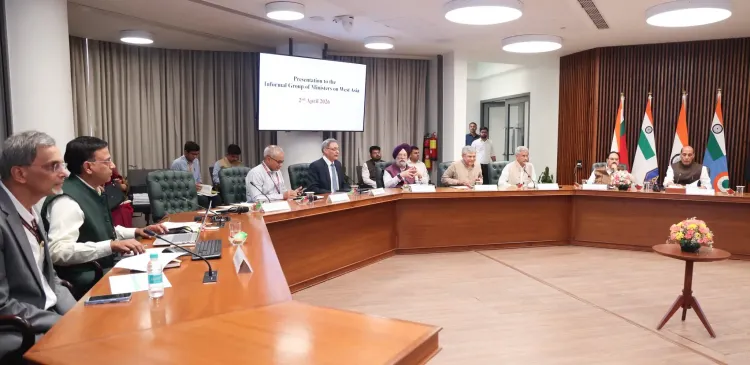
The second session of the Informal Group of Ministers (IGoM), established to oversee the fluctuating situation in West Asia and recommend proactive strategies to minimize its repercussions on India, convened under the leadership of Rajnath Singh.
The assembly extensively discussed the latest developments and the forthcoming actions the Government intends to take to alleviate potential negative impacts stemming from the current conflict.
In light of the “unpredictable circumstances,” the Defence Minister emphasized the necessity for 24/7 monitoring of the situation and the importance of responding in a measured way to any challenges that may arise.
He insisted on the commitment to ensuring that the citizens of India experience the least possible effects of the conflict.
The seven Empowered Groups of Secretaries updated the IGoM on the initiatives being implemented to manage the situation.
It was reported on the actions taken by the Ministry of Finance to mitigate concerns arising from global trade disruptions, offering relief and support to various sectors, particularly manufacturing, and enhancing investor confidence.
These initiatives comprise a full customs duty exemption on 40 key petrochemical products until June 30, 2026; the introduction of a special one-time relief measure for eligible units in SEZs allowing them to sell manufactured goods in the Domestic Tariff Area (DTA) at reduced customs duty rates, effective from April 1, 2026, to March 31, 2027; and assurance that the provisions of GAAR will not be enforced concerning investments made before April 1, 2017.
These strategies are expected to alleviate cost pressures on downstream sectors such as textiles, packaging, and pharmaceuticals, ensuring supply stability within the country and providing the necessary clarity to investors considering investments in India, as stated by an official release.
Rajnath Singh commended the Government's decision to implement a 25% cap on the monthly increases in Aviation Turbine Fuel prices for domestic flights, starting April 1. This measure aims to shield the public from sudden fare hikes.
The Government has prioritized domestic LPG supply, with refinery production being ramped up to meet consumption needs fully. The IGoM was informed that there have been no reports of LPG distributorships running dry, and the delivery of domestic LPG cylinders continues as per the normal schedule.
Temporary supply issues were noted to have arisen due to hoarding and black marketing, inciting panic buying in select areas.
To assist migrant workers and low-consumption households, the Government is securing sufficient availability of 5 kg Free Trade LPG cylinders, with over 4.3 lakh units sold since March 23, 2026. Special attention is being directed to states with heightened demand.
The IGoM was informed that industrial requirements reliant on commercial LPG are being met, maintaining over 80% of pre-crisis supply levels to ensure operational continuity.
Special meetings have been conducted with ministries and industry stakeholders to understand their requirements and address their needs. Oil PSUs are ensuring a steady supply of Auto LPG throughout the nation.
The Ministers were briefed that the daily number of LPG deliveries has been significantly increased to accommodate the surge in demand triggered by panic buying, ensuring consumers face no shortages.
Piped Natural Gas (PNG) is being actively promoted as a reliable alternative for industrial use wherever possible. PNG supplies for industrial applications are being assured in sectors where it is already in use, maintaining operational continuity.
Point of View
The emphasis on consistent monitoring and strategic responses by the Government highlights its commitment to safeguarding the interests of the nation amidst global uncertainties. This proactive stance demonstrates a strong leadership approach essential in challenging times.
NationPress
22 Sept 2026
Frequently Asked Questions
What is the main focus of the IGoM meeting?
The primary focus of the IGoM meeting is to monitor the evolving situation in West Asia and recommend proactive measures to minimize its impact on India.
What measures are being taken to support the industry?
The Government is implementing several measures, including customs duty exemptions and relief packages for SEZ units, to support the industry amid global trade disruptions.
How is the Government addressing LPG supply concerns?
The Government is ensuring adequate LPG supply by ramping up refinery production and addressing hoarding issues to prevent shortages.
What is the role of the Ministry of Finance in this situation?
The Ministry of Finance is actively addressing concerns related to global trade disruptions and providing relief to various sectors, boosting investor confidence.
Why is continuous monitoring necessary?
Continuous monitoring is essential to ensure that India can effectively respond to any unforeseen challenges arising from the crisis in West Asia.