India has 60-day crude oil reserve amid West Asia crisis, Centre assures no shortage
Synopsis
Even as global fuel prices surge 30–70% and most nations scramble for emergency measures, India is sitting on 60 days of crude oil reserves — and absorbing nearly ₹2 lakh crore in oil company losses in a single quarter to keep domestic prices frozen. The West Asia crisis is costing India dearly, even if citizens aren't yet feeling it at the pump.
Key Takeaways
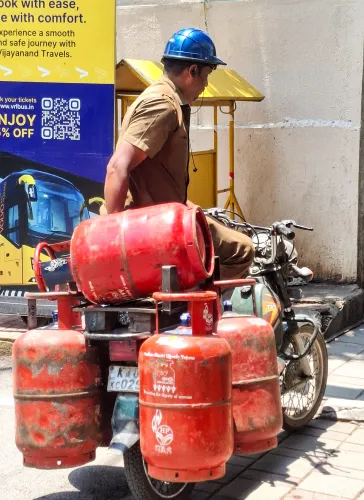
India holds 60 days of crude oil stock, 60 days of natural gas, and 45 days of LPG rolling stock as of 11 May .
Oil marketing companies are absorbing losses of nearly ₹1,000 crore a day , with under-recoveries of close to ₹2 lakh crore in Q1 2026 .
Fuel prices in India have held steady even as global prices rose 30–70% in many nations over the same period.
Kharif 2026 fertiliser stock stands at 199.65 LMT — over 51% of the assessed requirement of 390.54 LMT , well above the usual 33% buffer.
PM Modi has urged citizens to use public transport, avoid unnecessary foreign travel, and reduce gold purchases; farmers asked to cut chemical fertiliser use by 50% .
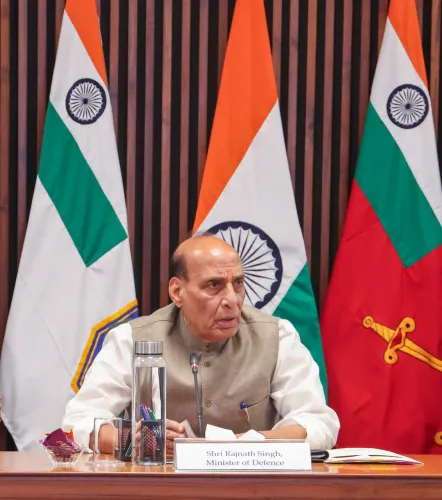
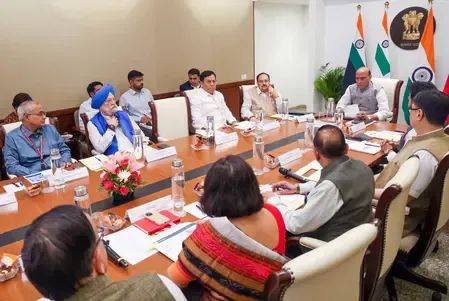
The 5th IGoM on West Asia was chaired by Defence Minister Rajnath Singh and attended by seven Union ministers.
The Indian government on Monday, 11 May assured citizens that there is no shortage of any petroleum product amid the ongoing West Asia crisis, disclosing that the country holds 60 days of crude oil stock, 60 days of natural gas, and 45 days of LPG rolling stock. The assurance came following the 5th meeting of the Informal Group of Ministers (IGoM) on West Asia, chaired by Defence Minister Rajnath Singh in New Delhi.
India's Petroleum Security Position
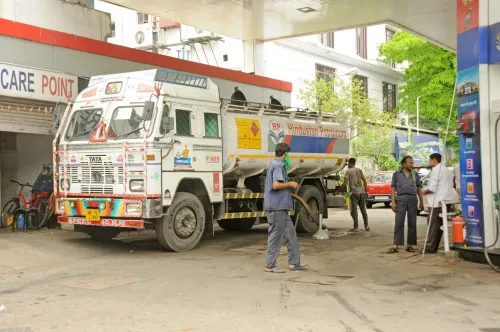
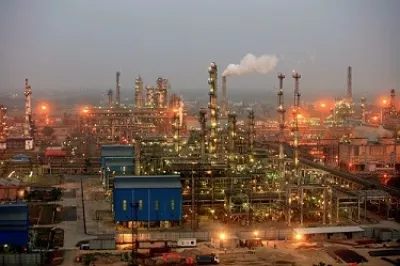
The IGoM was informed that India is the world's third-largest oil refiner and fourth-largest exporter of petroleum products, supplying to over 150 countries while fully meeting domestic demand. Officials stated that the country remains secure even as most other nations have been forced to take emergency measures to dramatically reduce domestic consumption.
India is also among the few countries where petroleum prices have held steady through this period of global volatility, even after more than 70 days since the conflict began. In many nations, prices have risen by 30 to 70 per cent during the same period.
The Hidden Cost: ₹1,000 Crore a Day in Losses
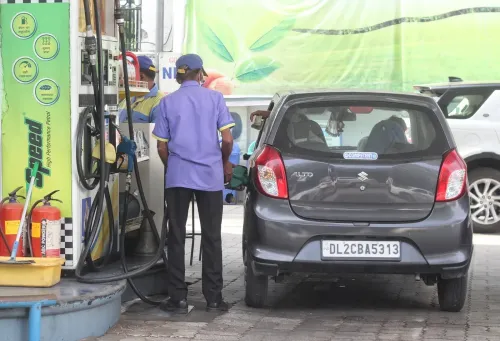
While citizens have been shielded from price shocks, the fiscal burden on the state has been enormous. India's oil marketing companies have been absorbing losses of close to ₹1,000 crore a day, with under-recoveries running to nearly ₹2 lakh crore in Q1 2026 alone. The government has chosen to absorb these losses rather than pass the burden of globally elevated crude prices to Indian consumers.
Notably, this approach — while socially protective — raises long-term questions about the financial health of public-sector oil marketing companies and their capacity to sustain such losses if the conflict and elevated crude prices persist beyond the current quarter.
Fertiliser Stocks Comfortable for Kharif Season
The meeting also reviewed agricultural input availability. For Kharif 2026, the fertiliser requirement has been assessed at 390.54 LMT. Against this, current stock stands at approximately 199.65 LMT — representing more than 51 per cent of assessed need, significantly higher than the usual buffer level of around 33 per cent.
PM Modi's Conservation Appeal
Prime Minister Narendra Modi has called on citizens to participate collectively in reducing the fiscal burden caused by global economic disruptions, supply chain challenges, and rising international prices. Specifically, he urged the public to reduce petrol and diesel consumption by using metros and public transport, and by opting for carpooling.
Modi also urged citizens to conserve foreign exchange reserves by refraining from unnecessary foreign travel, choosing domestic tourism, and avoiding non-essential gold purchases for at least a year. Farmers were asked to reduce chemical fertiliser usage by 50 per cent, shift towards natural farming practices, and adopt solar-powered irrigation pumps in place of diesel pumps.
Government's Message: No Panic, No Rush
The IGoM categorically stated there is no reason for anxiety, and no reason for citizens to rush to retail outlets or engage in panic-buying of fuel and other products. Ministers were informed that essential commodities are in surplus, and the current conservation push is aimed at long-term capacity building should the crisis prolong.
Defence Minister Rajnath Singh directed that ministries and states must, in a coordinated manner, identify measures to institutionalise fuel efficiency, public awareness, and responsible consumption behaviour.
The meeting was attended by Chemicals and Fertilisers Minister Jagat Prakash Nadda, Petroleum and Natural Gas Minister Hardeep Singh Puri, Railways Minister Ashwini Vaishnaw, Parliamentary Affairs Minister Kiren Rijiju, Civil Aviation Minister Rammohan Naidu, Ports, Shipping, and Waterways Minister Sarbananda Sonowal, and Minister of State (Independent Charge) Dr Jitendra Singh.
With the conflict showing no immediate signs of resolution, the government's next steps on pricing policy and oil company support will be closely watched in the weeks ahead.
Point of View
Whose balance sheets will eventually need recapitalisation — likely from the same taxpayer being protected today. The conservation appeal, while well-intentioned, places the burden of adjustment on individual behaviour rather than structural policy. India's real test is not whether it has 60 days of reserves, but whether it has a credible pricing and subsidy framework for day 61 and beyond, if the West Asia conflict drags into the second half of 2026.
NationPress
26 Sept 2026
Frequently Asked Questions
Does India have enough crude oil and fuel stock amid the West Asia crisis?
Yes, as of 11 May, India holds 60 days of crude oil stock, 60 days of natural gas, and 45 days of LPG rolling stock. The government has confirmed there is no shortage of any petroleum product and has urged citizens not to panic-buy.
Why have fuel prices not risen in India despite the global crude surge?
India's oil marketing companies have been absorbing the difference between global prices and domestic retail prices, incurring losses of nearly ₹1,000 crore a day. Under-recoveries have totalled close to ₹2 lakh crore in Q1 2026 alone, shielding consumers from the 30–70% price hikes seen in many other countries.
What did PM Modi ask citizens to do during the West Asia crisis?
PM Modi urged citizens to use public transport and carpooling, avoid unnecessary foreign travel, opt for domestic tourism, and refrain from non-essential gold purchases for a year. He also asked farmers to cut chemical fertiliser usage by 50% and switch to solar-powered irrigation pumps.
What is the fertiliser stock situation ahead of Kharif 2026?
Fertiliser stock for Kharif 2026 stands at approximately 199.65 LMT against an assessed requirement of 390.54 LMT — over 51% coverage, well above the usual buffer of around 33%. Officials say there is no concern about agricultural input availability.
Who chaired the IGoM meeting on West Asia and who attended?
The 5th meeting of the Informal Group of Ministers on West Asia was chaired by Defence Minister Rajnath Singh. It was attended by ministers including Hardeep Singh Puri (Petroleum), Jagat Prakash Nadda (Chemicals and Fertilisers), Ashwini Vaishnaw (Railways), Kiren Rijiju, Rammohan Naidu, Sarbananda Sonowal, and Dr Jitendra Singh.