India Secures 60-Day Crude Reserves and Monthly LPG Supply Amidst Misinformation
Synopsis
The Indian government reassures citizens of a secure petroleum and LPG supply amidst a misinformation campaign. With 60 days of reserves and a robust supply chain, panic buying is unwarranted. Discover how India is managing its energy needs effectively.
Key Takeaways
India maintains 60 days of crude reserves.
No fuel shortages reported across the nation.
800 TMT of LPG imports secured.
Domestic production of LPG increased by 40%.
Piped natural gas being promoted as a cleaner alternative.
New Delhi, March 26 (NationPress) The government firmly asserted on Thursday that India's petroleum and LPG supply is entirely secure and well-managed. They urged citizens not to fall victim to a "deliberately misleading, orchestrated campaign of misinformation" aimed at inciting unwarranted panic.
India currently boasts a total reserve capacity of 74 days, with actual stock levels covering approximately 60 days (this includes crude oil, product stocks, and strategic reserves housed in underground caverns). This comes as the country navigates the 27th day of the ongoing Middle East crisis, according to the Petroleum Ministry, which assured that all retail fuel outlets are sufficiently stocked.
"There is no deficit of petrol, diesel, or LPG throughout the nation," the ministry declared in an official statement, highlighting that nearly two months of consistent supply is accessible for every citizen, regardless of global circumstances.
"India has also secured crude procurement for the next two months. Our country is entirely safe for the foreseeable future, and the amount in strategic cavern storage is secondary in this supply context. Therefore, any claims that India's reserves are low or inadequate should be treated with the skepticism they deserve," the ministry emphasized.
Globally, many nations are facing price hikes, rationing, odd-even vehicle regulations, and forced station closures, with some declaring a "National Energy Emergency".
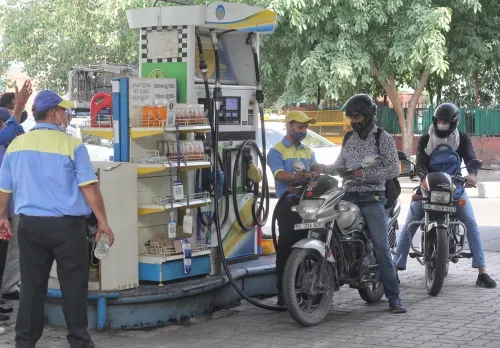
"India DOES NOT REQUIRE ANY SUCH MEASURES. While other countries are implementing rationing, there is no inadequacy in supplies here. Isolated cases of panic buying at certain stations were instigated by misleading videos circulating on social media," the ministry reiterated.
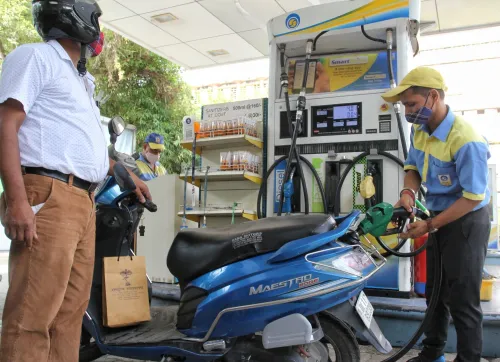
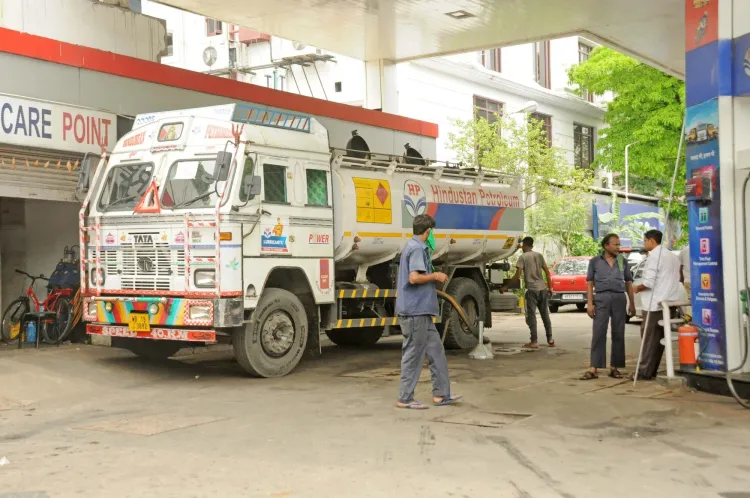
Despite a rise in demand at these stations, fuel was dispensed to all customers, with oil company depots operating overnight to enhance supply.
Additionally, the ministry noted that oil companies have increased credit terms for petrol pumps from the previous one day to over three days, ensuring that petrol and diesel are available at all pumps without interruption due to capital constraints faced by pump owners.
Significantly, even amid the situation in the Strait of Hormuz, India is now receiving more crude oil from over 41 suppliers worldwide than before.
"All Indian refineries are operating at over 100 percent capacity. Crude oil for the next 60 days has already been secured by Indian oil companies. There is NO supply gap," the ministry confirmed.
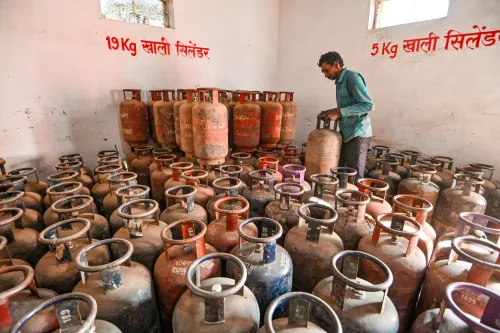
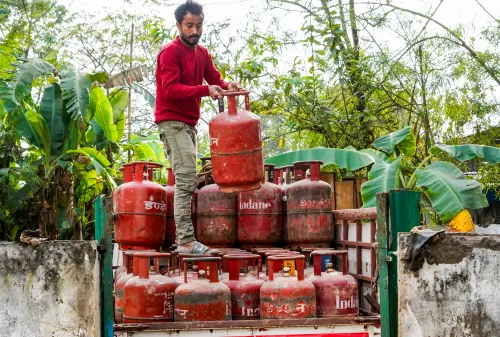
There is also no shortage of LPG. Following the LPG Control Order issued by the ministry, domestic refinery output has been increased by 40 percent, with daily LPG production reaching 50 TMT (more than 60 percent of our needs) against an overall daily requirement of about 80 TMT.
This means the net daily import requirement has dropped to only 30 TMT, indicating that India is now producing significantly more LPG than necessary for imports.
"Beyond domestic production, we have secured 800 TMT of assured inbound LPG cargoes, which are currently on their way from the United States, Russia, Australia, and other nations, arriving at India's 22 LPG import terminals—double the number we had in 2014," the ministry stated.
“We have firmly arranged approximately one full month of supply, with ongoing procurement efforts,” it added.
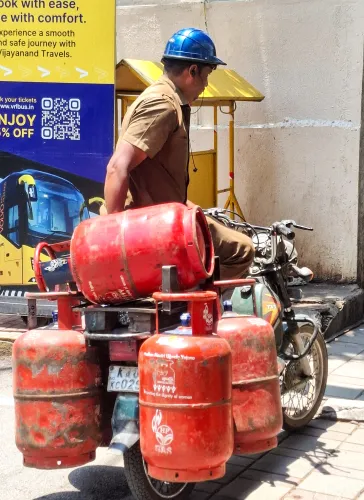
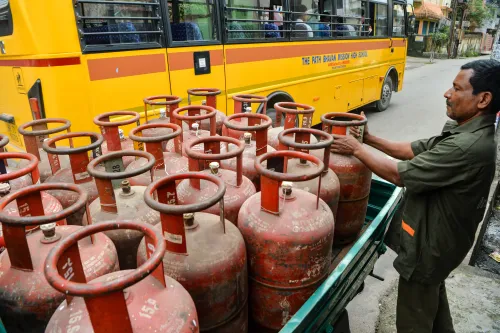
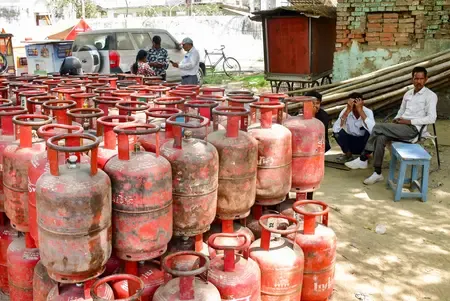
Oil companies are successfully distributing over 50 lakh cylinders daily. Allocations for commercial cylinders have been raised to 50 percent in collaboration with state governments to prevent hoarding or black market activities.
Furthermore, there is a strong push for piped natural gas, in coordination with state governments, as it is a more economical, cleaner, and safer option for Indian households.
India produces 92 MMSCMD of natural gas domestically, out of a total daily requirement of 191 MMSCMD, making the country much less reliant on gas imports compared to LPG.
The expansion of city gas distribution has surged from 57 geographical areas in 2014 to over 300 today. Domestic PNG connections have grown from 2.5 million to over 15 million. This transition was already in progress before the current crisis, showcasing India's long-term energy strategy.
"The assertion that PNG is being prioritized due to a shortage of LPG is misinformation. The supply of LPG is stable. PNG is simply a superior, more affordable, and highly convenient fuel choice for Indian households," the ministry stated.
The ministry encouraged all citizens to rely solely on official government communications for updates regarding fuel and gas availability.
Point of View
The government's proactive stance reassures citizens regarding fuel availability. Amid global crises, India's ability to secure energy supplies highlights an effective strategy to maintain stability and counter misinformation.
NationPress
24 Sept 2026
Frequently Asked Questions
Is there a petrol shortage in India?
No, the government has confirmed there is no petrol shortage in India, with adequate supplies available across all retail outlets.
What measures is the government taking to ensure LPG availability?
The government has ramped up domestic refinery production by 40% and secured 800 TMT of LPG imports to meet the demand.
How long are India's crude reserves expected to last?
India currently has approximately 60 days of crude reserves available.
Why is there panic buying at fuel stations?
Panic buying has been linked to misinformation spread through social media, but the government assures there is no actual shortage.
What is the status of piped natural gas in India?
The promotion of piped natural gas is increasing as it is cheaper and safer, with domestic production significantly meeting the country's requirements.