OMCs bleed ₹750 crore daily despite fuel price hike, no bailout planned: Petroleum Secretary
Synopsis
India's state-run oil retailers are still losing roughly ₹750 crore every single day — even after the recent fuel price hike that trimmed losses from ₹1,000 crore daily. With West Asia tensions disrupting crude and LNG imports for over six weeks and the Centre ruling out a bailout, the financial squeeze on OMCs shows no sign of easing soon.
Key Takeaways
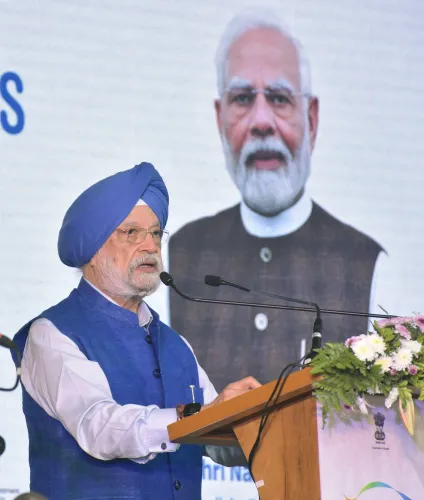
Petroleum Secretary Sujata Sharma disclosed on 18 May that OMC under-recoveries stand at nearly ₹750 crore per day despite the recent fuel price hike.
Under-recoveries have fallen from a peak of ₹1,000 crore per day following the price revision.
The Centre is not considering any bailout package for public sector oil retailers at present.
India has adequate fuel inventories with no shortages reported anywhere in the country.
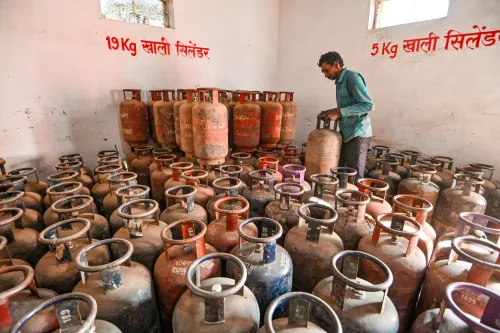
Around 1.72 lakh LPG cylinders were delivered over four days against 1.69 lakh booking requests, confirming stable distribution.
Ongoing West Asia tensions have disrupted crude oil and LNG imports for nearly one-and-a-half months .
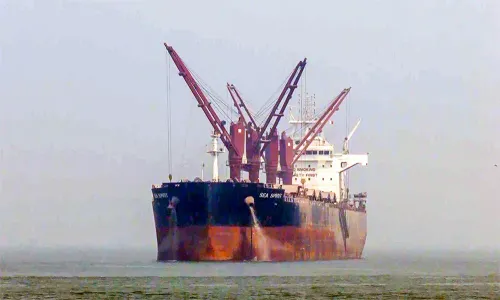
State-run oil marketing companies (OMCs) are still absorbing daily under-recoveries of nearly ₹750 crore even after the recent fuel price hike, Petroleum Secretary Sujata Sharma said on Monday, 18 May. The disclosures come as disruptions to crude oil and LNG imports — triggered by ongoing tensions in West Asia — continue to strain global energy supply chains for nearly one-and-a-half months.
Scale of the Financial Strain
Under-recoveries at state-run fuel retailers had previously touched close to ₹1,000 crore per day. The recent fuel price revision has brought that figure down to approximately ₹750 crore daily, according to Sharma — a meaningful reduction, but one that still leaves OMCs under severe pressure. The Centre, however, is not considering any bailout package for public sector fuel retailers at present, she clarified.
Supply Situation and Inventory Assurance
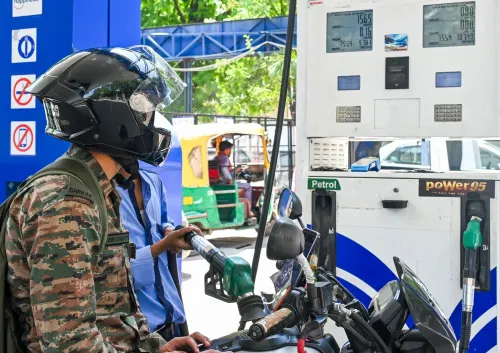
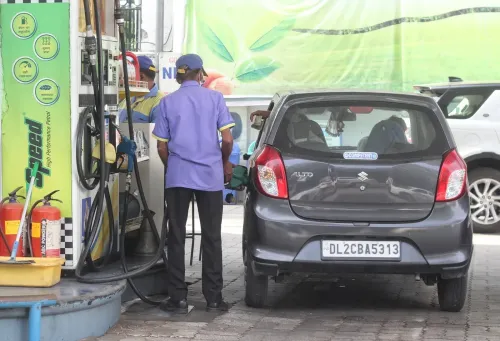
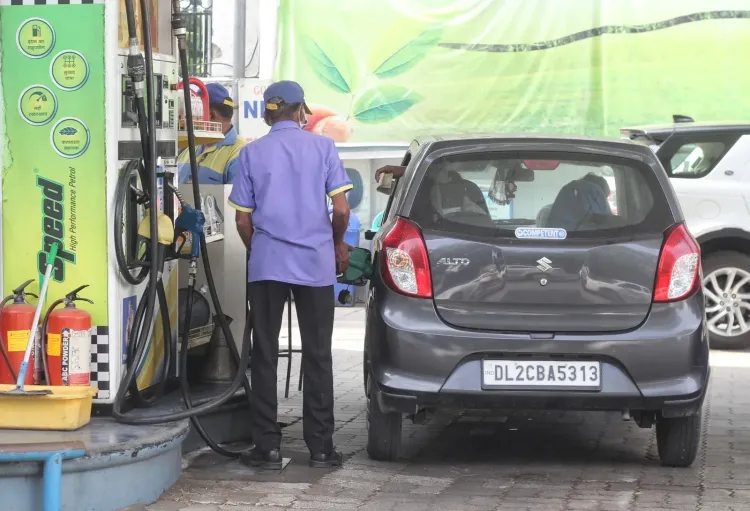
'We have sufficient inventory and no dry-out situation is being reported,' Sharma said. She added that the government and oil companies are 'closely monitoring the situation to ensure uninterrupted supply and smooth distribution of petroleum products across the country.' No fuel shortages have been reported anywhere in India, she confirmed.
Shift in Fuel Demand Patterns
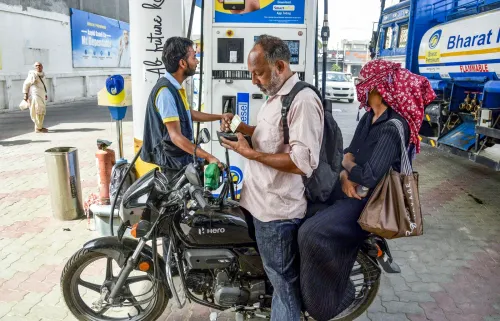
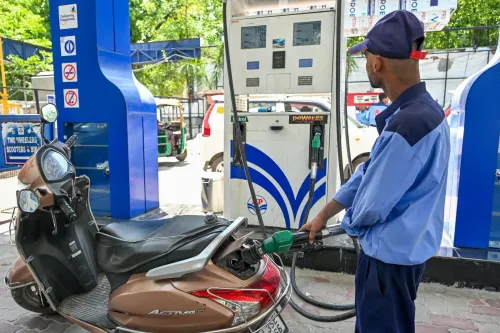
Sharma noted a notable shift in how fuel is being consumed: bulk fuel sales are increasingly migrating toward retail fuel pump sales, as companies prioritise uninterrupted availability for end consumers. This realignment reflects both precautionary stocking behaviour and supply-chain adjustments in response to global volatility.
LPG Distribution Remains Stable
On the LPG front, Sharma said oil companies have managed to maintain stable distribution despite the global headwinds. 'Over the last four days, around 1.72 lakh LPG cylinders were delivered against nearly 1.69 lakh booking requests, indicating that supply chains remain operational and stable,' she explained. The surplus deliveries over bookings suggest a degree of proactive inventory push by distributors.
West Asia Crisis and What Comes Next
The continuing crisis in West Asia has kept global energy markets volatile, applying upward pressure on India's energy import bill and raising questions about the long-term financial health of state-run fuel retailers. With no bailout on the table and under-recoveries still running at three-quarters of a billion rupees a day, further price adjustments or government support mechanisms cannot be ruled out if the geopolitical situation persists.
Point of View
Not to restore OMC viability. Reducing losses by a quarter while ruling out a bailout puts these companies in a holding pattern that is fiscally unsustainable if West Asia tensions persist beyond another month or two. The shift in bulk fuel sales toward retail pumps also deserves scrutiny: it may indicate that industrial and institutional buyers are pulling back, which would have downstream consequences for manufacturing and logistics costs. The government's 'monitor and assure' posture is prudent for now, but the longer the geopolitical disruption runs, the harder it becomes to avoid either a second price hike or a compensatory transfer — both of which carry political costs in an election-sensitive environment.
NationPress
25 Sept 2026
Frequently Asked Questions
Why are OMCs still losing money despite the fuel price hike?
State-run oil marketing companies are still absorbing under-recoveries of nearly ₹750 crore per day because the recent fuel price hike, while reducing losses from ₹1,000 crore daily, has not fully bridged the gap between retail selling prices and the cost of procuring crude oil and LNG amid global supply disruptions.
Is the government planning a bailout for oil marketing companies?
No. Petroleum Secretary Sujata Sharma clarified on 18 May that the Centre is not considering any bailout package for public sector fuel retailers at present. The government's stated approach is to monitor the situation and ensure uninterrupted supply.
Is there a fuel shortage in India due to the West Asia crisis?
No fuel shortages have been reported anywhere in India, according to Petroleum Secretary Sujata Sharma. She stated that the country has sufficient fuel inventory and no dry-out situation is being reported.
How is LPG supply holding up amid the global disruptions?
LPG supply remains stable. Around 1.72 lakh cylinders were delivered over four days against approximately 1.69 lakh booking requests, indicating that distribution networks are operational. Oil companies have managed to maintain supply despite the global challenges.
How long have West Asia tensions been disrupting India's energy imports?
According to Petroleum Secretary Sujata Sharma, disruptions to crude oil and LNG imports due to the West Asia conflict have been ongoing for nearly one-and-a-half months as of 18 May, keeping global energy markets volatile and raising pressure on India's import bill.