OMC under-recoveries on petrol drop 83% to ₹3 per litre after four price hikes
Synopsis
Petrol under-recoveries at Indian oil marketing companies have crashed 83% to just ₹3 per litre — the first single-digit reading since losses began — after four phased price hikes in May and a ₹1.23 lakh crore government excise sacrifice. A fresh 5% drop in global crude, triggered by the US-Iran Hormuz deal, could accelerate the recovery further.
Key Takeaways
Petrol under-recoveries at OMCs fell 83% to ₹3 per litre from ₹24 per litre on 1 April , per Ministry of Petroleum and Natural Gas data.
Diesel under-recoveries dropped 75% to ₹27 per litre from ₹105 per litre over the same period.
Four phased price hikes in May 2025 raised Delhi petrol from ₹94.77 to ₹102.12 per litre and diesel from ₹87.67 to ₹95.20 per litre .
The Centre sacrificed approximately ₹1.23 lakh crore in excise revenue over 78 days to cushion consumers.
Aggregate OMC losses narrowed to ₹600 crore per day in May, down from ₹750 crore per day on 18 May .
Global crude fell nearly 5% on Monday after the US and Iran agreed to reopen the Strait of Hormuz .
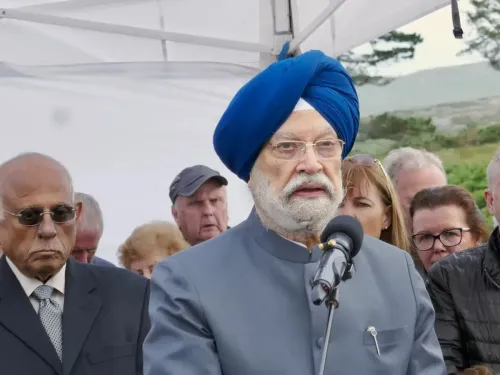
Under-recoveries on petrol at oil marketing companies (OMCs) have fallen 83 per cent to ₹3 per litre from ₹24 per litre recorded on 1 April, according to data presented by Sujata Sharma, Joint Secretary in the Ministry of Petroleum and Natural Gas, on Monday, 15 June. The sharp easing reflects a combination of four phased fuel price revisions in May and fiscal support extended by the Centre to oil retailers battling elevated global crude prices.
How Far Under-Recoveries Have Fallen
Diesel under-recoveries have similarly declined by 75 per cent, dropping to ₹27 per litre from ₹105 per litre as of 1 April. By May, aggregate OMC losses had narrowed to roughly ₹600 crore per day following the fourth round of price increases — an improvement from nearly ₹750 crore per day reported on 18 May.
The Four-Round Price Revision in May
The Centre implemented phased fuel price hikes on 15 May, 19 May, 23 May, and 25 May, collectively raising petrol prices in Delhi from ₹94.77 per litre to ₹102.12 per litre. Diesel in the national capital rose from ₹87.67 per litre to ₹95.20 per litre over the same period. In the last week of May, the government approved an average increase of ₹2.7 per litre, a move that was expected to cut overall OMC losses by at least 44 per cent.
Government's Revenue Sacrifice and Excise Relief
Alongside the price revisions, the Centre absorbed a significant portion of the financial burden by reducing excise duties on petrol and diesel. According to government figures, this resulted in a revenue sacrifice of approximately ₹1.23 lakh crore over a period of 78 days, helping shield consumers from the full scale of rising global fuel costs. The fiscal intervention was central to preventing a sharper pass-through to retail prices.
Global Crude Prices Ease on Hormuz Development
Adding to the improving outlook, global crude oil prices declined by nearly 5 per cent on Monday after the United States and Iran reached an agreement and announced the reopening of the Strait of Hormuz. The development eased concerns over potential disruptions to global energy supplies — a key variable that had kept crude elevated and pressured OMC margins in recent months.
What This Means Going Forward
The convergence of domestic price corrections, excise relief, and softening global crude creates the most favourable OMC margin environment since early April. Notably, this is the first time petrol under-recoveries have fallen to single digits since the current cycle of losses began. Whether further price rationalisation — upward or downward — follows will depend on how crude markets respond to the Hormuz agreement in the coming sessions.
Point of View
But a single diplomatic agreement in a volatile region is a fragile foundation for crude price optimism. The real question is whether the Centre will use softening crude to reverse some of the retail price increases — or pocket the margin relief for OMC balance-sheet repair.
NationPress
27 Sept 2026
Frequently Asked Questions
What are OMC under-recoveries and why do they matter?
Under-recoveries refer to the gap between what oil marketing companies spend to procure and supply fuel and what they recover at the retail price. When under-recoveries are high, OMCs sell fuel below cost, eroding their finances and potentially requiring government bailouts.
By how much have petrol and diesel under-recoveries fallen?
Petrol under-recoveries have fallen 83% to ₹3 per litre from ₹24 per litre on 1 April, according to Ministry of Petroleum and Natural Gas data. Diesel under-recoveries dropped 75% to ₹27 per litre from ₹105 per litre over the same period.
What caused the improvement in OMC finances?
The improvement stems from four phased fuel price hikes implemented between 15 and 25 May 2025, combined with the Centre reducing excise duties on petrol and diesel — a move that involved a revenue sacrifice of approximately ₹1.23 lakh crore over 78 days.
How did the Strait of Hormuz development affect crude oil prices?
Global crude oil prices fell nearly 5% on Monday after the United States and Iran reached an agreement and announced the reopening of the Strait of Hormuz, easing fears of supply disruptions that had kept crude elevated.
What were the specific fuel price changes in Delhi during May 2025?
Petrol prices in Delhi rose from ₹94.77 per litre to ₹102.12 per litre across four revisions on 15, 19, 23, and 25 May. Diesel prices in the capital increased from ₹87.67 per litre to ₹95.20 per litre during the same period.