Government Maintains Petrol and Diesel Prices Amid Excise Duty Cut to Support Oil Firms
Synopsis
In a strategic move, the Indian government has decided to keep petrol and diesel prices stable while implementing an excise cut to support public sector oil marketing companies amid rising international crude prices. This decision aims to safeguard consumers and ensure uninterrupted fuel supply.
Key Takeaways
Retail fuel prices remain unchanged .
Excise duty on petrol and diesel reduced by Rs 10 per litre .
Public sector oil firms absorbing significant under-recoveries .
Government prioritizing domestic fuel supply over exports .
Stability in fuel prices crucial during global economic turmoil .
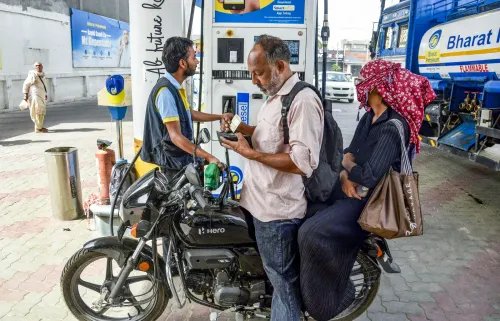
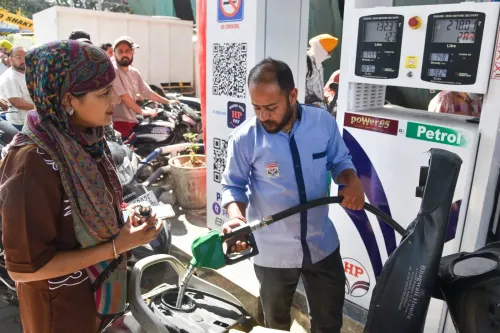
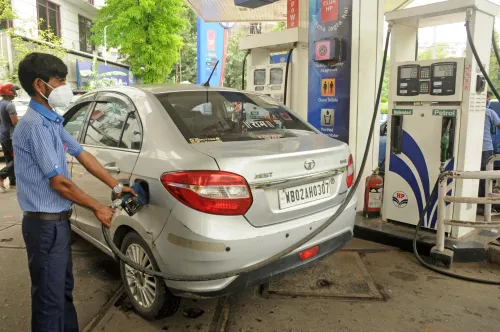
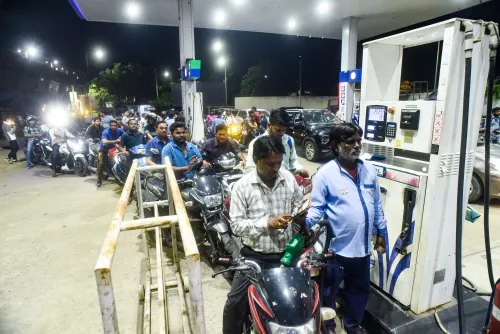
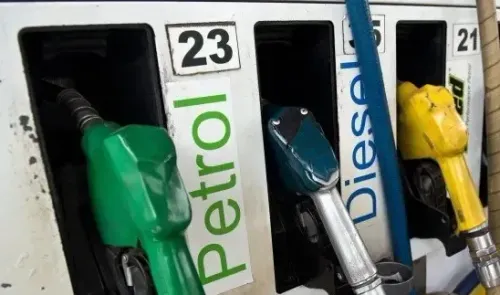
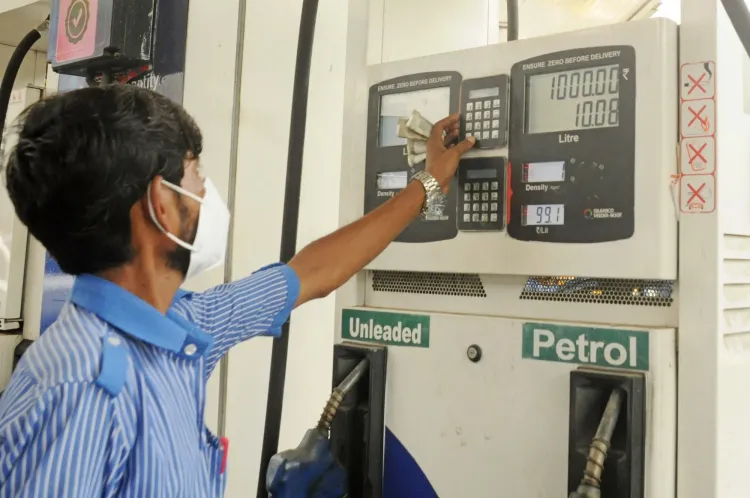
New Delhi, March 27 (NationPress) On Friday, the government announced that the retail prices of petrol and diesel at fuel stations will remain unchanged. The decrease in excise duty will not translate to a reduction in prices at the pump.
This excise cut primarily aims to mitigate the losses incurred by public sector oil marketing companies (OMCs) — namely Indian Oil Corporation, Bharat Petroleum Corporation, and Hindustan Petroleum Corporation — which have been providing fuel to Indian consumers at rates significantly lower than their actual cost of supply, as stated by the Petroleum Ministry.
As of the latest international crude rates, the under-recoveries are estimated to be around Rs 26 per litre for petrol and Rs 81.90 per litre for diesel.
The total daily under-recovery being absorbed by OMCs is about Rs 2,400 crore.
The excise reduction offsets Rs 10 per litre of these losses, allowing OMCs to maintain fuel supply without interruptions while keeping retail prices stable, according to the ministry.
The government has immediately reduced the excise duty by Rs 10 per litre on both petrol and diesel.
"This action has been prompted by the dramatic and swift increase in international crude oil prices, which have escalated from roughly $70 per barrel to about $122 per barrel within the last month — a staggering rise of nearly 75% in just four weeks, largely due to ongoing conflicts in West Asia and the resulting disruptions in global energy supply chains," the ministry highlighted.
The disparity with global fuel markets is noteworthy. Fuel prices have surged by 30 to 50% in South and South-East Asian nations, 30% in North America, and 20% in Europe since the beginning of the current crisis. India has managed to maintain consistent pricing. However, this stability comes at a fiscal cost that the government has opted to absorb.
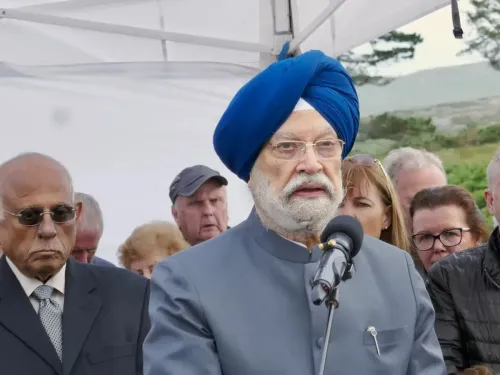
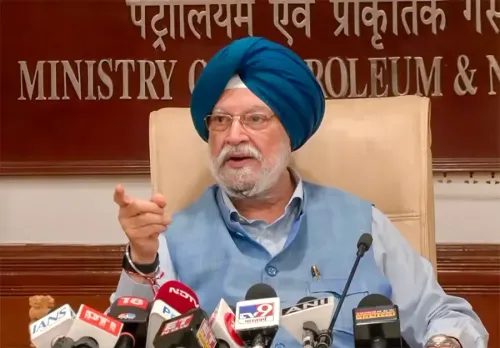
Earlier in the day, Minister for Petroleum and Natural Gas, Hardeep Singh Puri, noted that Prime Minister Narendra Modi made the decision to impact government finances in order to protect the Indian populace.
"The government is taking a significant hit on its tax revenues to alleviate the substantial losses faced by oil marketing companies amid soaring international prices," he stated.
In conjunction with the excise reduction, the government has also implemented an export tax on diesel. This measure, introduced at a time of rapidly rising international diesel prices, aims to discourage exports and ensure that refinery output prioritizes domestic demand.
Ensuring a steady supply at Indian fuel stations takes precedence over potentially lucrative export opportunities at current global prices. The government is committed to monitoring the changing global energy landscape and will implement all necessary actions to ensure supply stability and price protection for Indian consumers.
Point of View
I believe this decision reflects a balanced approach by the government to manage fiscal responsibilities while safeguarding consumer interests amidst fluctuating global oil prices. Maintaining stability in fuel prices is crucial for the economy, especially during these turbulent times.
NationPress
3 Oct 2026
Frequently Asked Questions
Why are petrol and diesel prices not changing despite the excise cut?
The government has opted not to pass the excise reduction directly to consumers, instead using it to offset the losses faced by public sector oil marketing companies.
How much is the excise duty reduction on petrol and diesel?
The excise duty has been reduced by Rs 10 per litre on both petrol and diesel.
What are the current under-recoveries for petrol and diesel?
Under-recoveries are approximately Rs 26 per litre for petrol and Rs 81.90 per litre for diesel.
What is the total daily under-recovery faced by OMCs?
The total daily under-recovery being absorbed by oil marketing companies is about Rs 2,400 crore.
What measures are being taken to ensure domestic fuel supply?
The government has introduced an export levy on diesel to discourage exports and prioritize domestic supply.