Petrol, diesel price cut not feasible now, says Hardeep Puri
Synopsis
Petroleum Minister Hardeep Singh Puri has shut the door on near-term fuel price relief, pointing to ₹2.18 lakh crore in unrecovered OMC losses and high-cost legacy inventory. Even as global crude softens, Indian consumers face a structural buffer that keeps retail prices sticky — and the minister's blunt 'not legitimate' framing signals no political appetite for a cut anytime soon.
Key Takeaways
Petroleum Minister Hardeep Singh Puri on 2 July ruled out any near-term petrol or diesel price reduction.
State-run OMCs are still recovering cumulative under-recoveries of around ₹2.18 lakh crore .
Petrol prices have risen only 5.58% and diesel 6.23% over the past four years , despite global crude volatility.
India's 1.07 lakh fuel retail outlets saw no supply disruption during recent Strait of Hormuz tensions.
India's refining capacity is projected to rise to 309.5 MMTPA by 2030 , with greenfield projects under way.
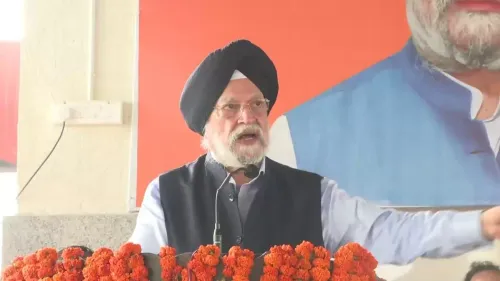
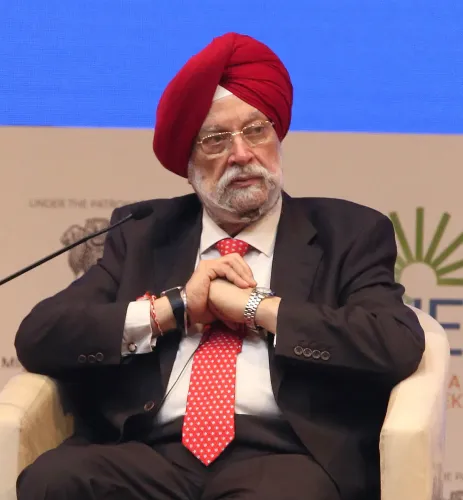
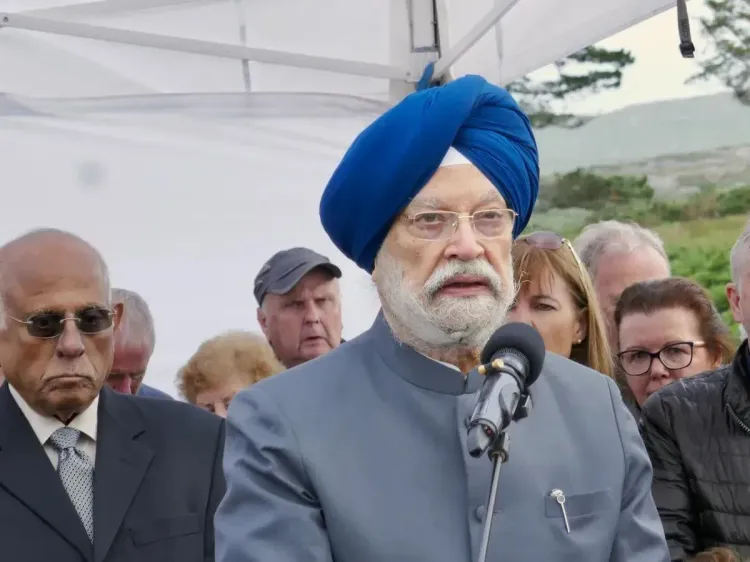
Union Petroleum and Natural Gas Minister Hardeep Singh Puri on Thursday, 2 July ruled out any near-term reduction in petrol and diesel prices, stating there is no justification for lowering retail fuel rates at this stage. The minister's remarks dash hopes of imminent relief for consumers who have been watching global crude oil prices ease in recent months.
Why Prices Cannot Come Down Yet
Puri pointed to the financial position of state-run oil marketing companies (OMCs) as the primary obstacle. According to the minister, OMCs are still recovering cumulative under-recoveries of around ₹2.18 lakh crore. These companies also continue to hold fuel inventories purchased when international crude prices were significantly higher, making an immediate price cut commercially impractical.
'So the question of bringing fuel prices down is not legitimate at this point in time,' Puri said.
Prices Have Stayed Largely Stable, Minister Says
Defending the government's fuel pricing record, Puri noted that despite sharp swings in global crude markets, retail prices in India have remained broadly stable. Petrol prices have risen by only 5.58 per cent over the past four years, while diesel prices have increased by 6.23 per cent over the same period — figures the minister cited as evidence of the government absorbing much of the global volatility.
Strait of Hormuz Tensions: No Supply Disruption
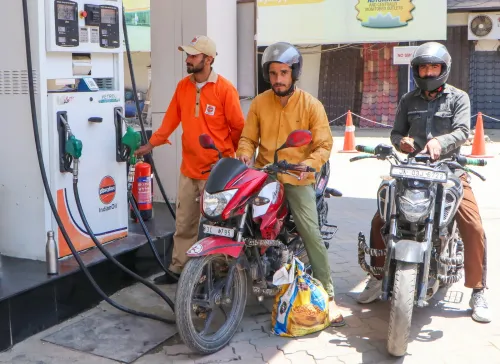
Puri also highlighted India's handling of recent geopolitical stress in global energy markets. Referring to tensions around the Strait of Hormuz, he said India's fuel supply chain remained uninterrupted throughout the crisis. 'Not one retail outlet reported a dry-out,' the minister said, crediting the government's logistics preparedness. India's network of around 1.07 lakh fuel retail outlets continued to operate normally, he added.
Refining Capacity Expansion on the Horizon
Looking ahead, Puri outlined plans to significantly expand India's energy infrastructure. The country's refining capacity is projected to reach 309.5 million metric tonnes per annum (MMTPA) by 2030, up from current levels. Several refinery expansion and greenfield projects are currently under implementation, with some expected to be commissioned within the next two years, further bolstering energy security.
With OMC balance sheets still under pressure and high-cost inventory yet to be fully liquidated, any revision in retail fuel prices is unlikely in the short term, even if global crude markets remain subdued.
Point of View
But it also reflects a pricing policy that kept retail rates artificially suppressed during the 2022 crude spike, a political decision whose cost is now being passed back to consumers through inaction. The irony is that global crude has eased considerably, yet the structural overhang means Indian pump prices remain decoupled from the downside. Until OMC balance sheets are repaired and legacy inventory is cleared, the government's 'stability' narrative effectively means consumers bear the cost of past subsidies without any of the current upside.
NationPress
1 Oct 2026
Frequently Asked Questions
Why are petrol and diesel prices not being reduced in India right now?
Petroleum Minister Hardeep Singh Puri said state-run oil marketing companies (OMCs) are still recovering cumulative under-recoveries of around ₹2.18 lakh crore, and also hold fuel inventories bought at higher crude prices. These two factors make an immediate price reduction commercially impractical, according to the minister.
By how much have petrol and diesel prices risen in the last four years?
According to Minister Hardeep Singh Puri, petrol prices have risen by 5.58 per cent and diesel prices by 6.23 per cent over the past four years — relatively modest increases given the volatility in global crude oil markets during the same period.
What are OMC under-recoveries and why do they matter for fuel prices?
Under-recoveries refer to the losses state-run oil marketing companies incur when they sell fuel below the market cost. With cumulative under-recoveries of around ₹2.18 lakh crore still to be recouped, OMCs cannot absorb a further reduction in retail prices without deepening their financial stress.
Was India's fuel supply affected by the Strait of Hormuz tensions?
No. Minister Puri said India's network of around 1.07 lakh fuel retail outlets continued to operate normally throughout the period of Strait of Hormuz tensions, with not a single outlet reporting a dry-out.
What are India's plans for expanding refining capacity?
India's refining capacity is projected to reach 309.5 million metric tonnes per annum (MMTPA) by 2030. Several refinery expansion and greenfield projects are currently under implementation, with some expected to be completed within the next two years.