Petrol, diesel up ₹3/litre; CNG costlier by ₹2 amid West Asia crisis
Synopsis
India's state-run fuel retailers have raised petrol and diesel prices by ₹3 per litre and CNG by ₹2 per kg — but the hike may not be enough. With OMC losses running at ₹1,000 crore a day, combined quarterly losses projected at ₹1.2 lakh crore for Q1 FY27, and crude above $100 a barrel, the Centre faces a stark choice: more hikes or a deeper fiscal hit.
Key Takeaways
Petrol and diesel prices were raised by ₹3 per litre each on 15 May 2025 , effective immediately across India.
In New Delhi , petrol now costs ₹97.77 per litre ; CNG has risen to ₹79.09 per kilogram , up ₹2/kg .
Combined under-recovery on petrol, diesel, and LPG has reached nearly ₹30,000 crore per month , according to the Union Petroleum Ministry.
OMCs are losing nearly ₹1,000 crore every day , with combined Q1 FY27 losses projected at ₹1.2 lakh crore .
Global crude has crossed $100 per barrel on fears of supply disruption from the US-Iran conflict .
The Centre has already sacrificed nearly ₹14,000 crore in monthly excise revenue through duty cuts, yet losses continue to widen.
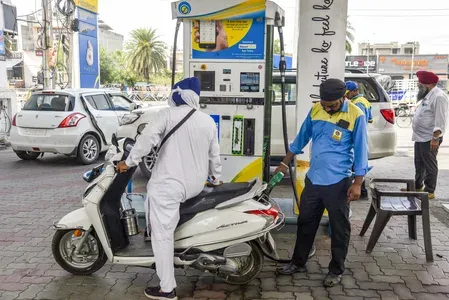
India's oil marketing companies (OMCs) raised petrol and diesel prices by ₹3 per litre each on Friday, 15 May, with the revised rates taking immediate effect across the country, as mounting under-recoveries driven by the West Asia crisis forced the state-run fuel retailers' hand. CNG prices were simultaneously hiked by ₹2 per kilogram, adding to the cost burden on households and fleet operators.
New Fuel Rates in Delhi
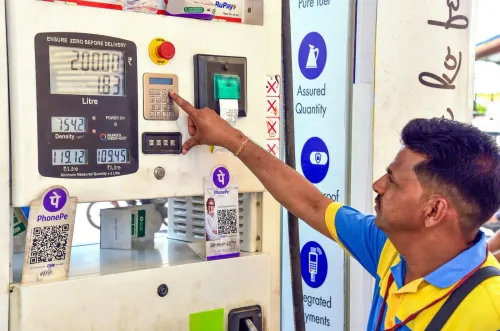
In New Delhi, petrol now costs ₹97.77 per litre, up ₹3.14, while diesel has risen by ₹3.11 per litre. The revised CNG rate in Delhi stands at ₹79.09 per kilogram, effective immediately. The hikes apply uniformly to all retail outlets operated by the three major public-sector OMCs — Indian Oil Corporation (IOC), Bharat Petroleum (BPCL), and Hindustan Petroleum (HPCL).
The Scale of Under-Recovery
The combined under-recovery on petrol, diesel, and LPG has reached nearly ₹30,000 crore every month, according to Sujata Sharma, Joint Secretary in the Union Petroleum Ministry. OMCs have been absorbing the difference between their crude procurement cost and retail selling prices to shield consumers from the full impact of the global price surge.
'Our OMCs are buying crude oil at higher rates but are not selling at corresponding rates to protect our consumers. This impacts their finances,' Sharma said. She added that the Centre had already cut excise duties on petrol and diesel, sacrificing nearly ₹14,000 crore in monthly revenue, yet under-recoveries continue to widen.
Minister Puri's Warning on FY26 Profits
Petroleum Minister Hardeep Singh Puri, speaking at the CII Annual Business Summit 2026 this week, warned that OMCs are losing nearly ₹1,000 crore every day and that their combined quarterly losses could touch ₹1 lakh crore if current trends persist. He cautioned that a single quarter of losses at prevailing crude price levels could potentially erase the companies' entire profit after tax for FY26.
Industry estimates cited during the summit projected that IOC, BPCL, and HPCL together could report combined losses of nearly ₹1.2 lakh crore in the first quarter of FY27 alone — a figure that underscores the severity of the current energy shock.
Global Crude Above $100 Per Barrel
The immediate trigger is the surge in global crude oil prices past the psychologically significant $100 per barrel mark, driven by fears of prolonged supply disruptions linked to the US-Iran conflict. This comes amid escalating tensions across West Asia, a region that accounts for a substantial share of India's crude imports. Notably, this is not the first time India has faced a triple-digit crude shock — similar pressure in 2022 led to a sequence of retail price hikes before excise cuts partially cushioned the blow.
What Comes Next
With under-recoveries still widening despite the latest hike, analysts will watch whether the Centre opts for additional excise relief or allows OMCs to pass through further costs to consumers. Any sustained crude price above $100 per barrel makes a second round of retail price adjustments increasingly likely. The government's fiscal calculus — balancing OMC solvency against inflation management — will be the defining variable in the weeks ahead.
Point of View
Not a solution. At ₹1,000 crore in daily losses and crude firmly above $100, the ₹3-per-litre adjustment barely dents the under-recovery arithmetic — OMCs are still bleeding. The Centre's dual concession of excise cuts and capped retail prices made political sense during an election cycle, but the fiscal math is now untenable. The harder question is whether the government will allow a second round of hikes before inflation expectations re-anchor, or absorb the losses through a recapitalisation that shifts the burden onto the broader taxpayer. Either path has a cost; the current half-measure merely delays the reckoning.
NationPress
26 Sept 2026
Frequently Asked Questions
By how much have petrol and diesel prices increased in India?
Petrol and diesel prices have been raised by ₹3 per litre each, effective 15 May 2025, across all retail outlets in India. In Delhi, petrol now costs ₹97.77 per litre following a ₹3.14 increase.
What is the new CNG price in Delhi after the latest hike?
The new CNG price in Delhi is ₹79.09 per kilogram, following an increase of ₹2 per kilogram that came into effect on 15 May 2025.
Why have fuel prices been hiked now?
Oil marketing companies raised prices because their combined under-recovery on petrol, diesel, and LPG has reached nearly ₹30,000 crore per month, driven by global crude prices crossing $100 per barrel amid the West Asia crisis. OMCs were absorbing losses to protect consumers, but the financial strain became unsustainable.
How severe are the losses faced by Indian oil marketing companies?
According to Petroleum Minister Hardeep Singh Puri, OMCs are currently losing nearly ₹1,000 crore every day. Industry estimates project combined losses of nearly ₹1.2 lakh crore for IOC, BPCL, and HPCL in Q1 FY27 alone, which could wipe out their entire FY26 profits.
Has the government taken any steps to ease the burden on OMCs?
Yes, the Centre has already cut excise duties on petrol and diesel, foregoing nearly ₹14,000 crore in monthly revenue, according to Joint Secretary Sujata Sharma. However, under-recoveries have continued to widen despite these cuts, prompting the latest retail price revision.