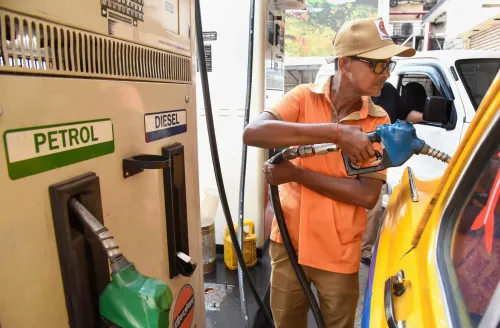
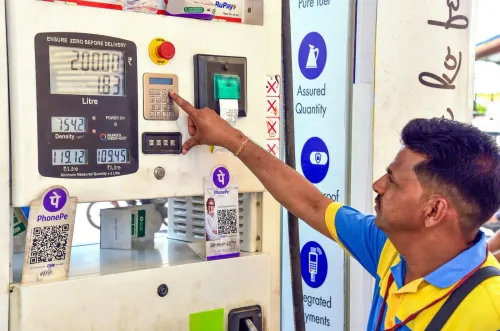
Petrol crosses ₹102, diesel at ₹95.20 in Delhi after fourth hike in two weeks
Synopsis
For the fourth time in just two weeks, Indian oil marketing companies have raised retail fuel prices — pushing Delhi petrol past ₹102 and diesel to ₹95.20. With West Asia tensions unresolved and crude markets volatile, this rapid-fire revision cycle is already feeding inflation anxiety among commuters, logistics firms, and policymakers alike.
Key Takeaways
Petrol in Delhi rose to ₹102.12 per litre on 25 May , up ₹2.61 in the latest revision.
Diesel climbed to ₹95.20 per litre , an increase of ₹2.71 per litre .
This is the fourth fuel price hike in a span of two weeks , including a ₹3 per litre revision on 16 May .
Rising global crude oil prices and West Asia geopolitical tensions are cited as the primary drivers.
The Ministry of Petroleum and Natural Gas confirmed adequate national fuel supplies and urged citizens against panic buying.
Experts warn of a cascading inflationary effect on transportation costs and essential goods.
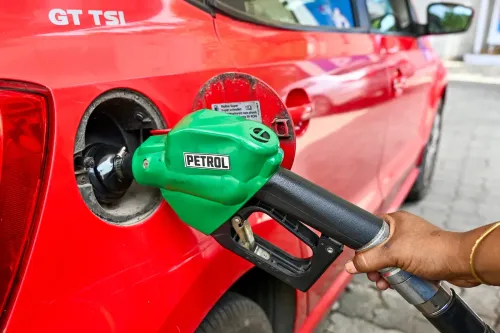
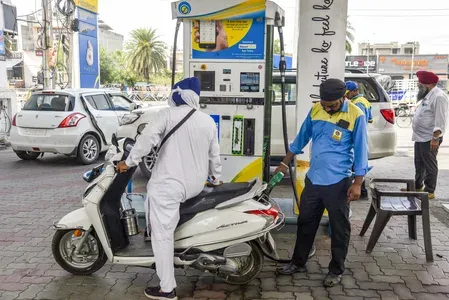
Petrol prices in Delhi crossed the ₹102 mark on Monday, 25 May, after state-owned oil marketing companies announced the fourth fuel price hike in a fortnight, raising petrol by ₹2.61 per litre and diesel by ₹2.71 per litre. Petrol now stands at ₹102.12 per litre, up from ₹99.51, while diesel has climbed to ₹95.20 per litre from ₹92.49.
Pace of the Hikes
The latest revision comes just two days after a Saturday increase that added ₹0.87 per litre to petrol and ₹0.91 per litre to diesel. Before that, on 16 May, a sharper round pushed petrol and diesel rates up by approximately ₹3 per litre in several cities. Four consecutive upward revisions in 14 days mark one of the most sustained retail fuel adjustment cycles in recent memory.
What Is Driving the Increases
Sustained pressure from rising global crude oil prices and ongoing geopolitical tensions in West Asia continue to strain international energy markets, feeding through to domestic costs. Government officials maintain that the revisions are necessary to offset rising import costs and preserve stability in fuel supplies amid volatile global crude benchmarks. Notably, state-run oil marketing companies had absorbed losses for an extended period before passing costs on to consumers — a pattern that compresses relief periods but sharpens the impact when adjustments arrive.
Government Assurance on Supply
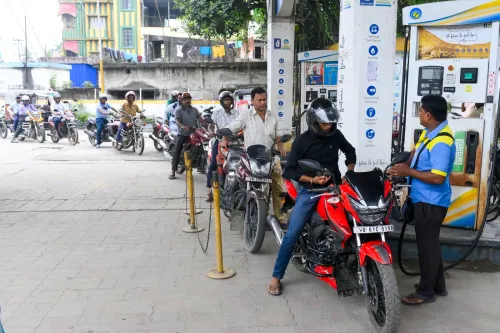
The Ministry of Petroleum and Natural Gas has reassured the public that India's petrol and diesel supplies remain stable nationwide. In an official statement, the ministry urged citizens to avoid panic buying or unnecessary crowding at fuel stations, noting that any temporary pressure at select retail outlets is being addressed through continuous monitoring and coordinated distribution by oil marketing companies. The ministry also stressed that responsible consumption and public cooperation are essential during this period of elevated global uncertainty.
Economic and Household Impact
Experts have warned that back-to-back fuel hikes carry a cascading effect on transportation and logistics costs, which can translate into broader inflationary pressure on essential goods and services. Daily commuters, transport operators, and businesses are already contending with rising operational expenses. Urban centres heavily dependent on road transport are expected to feel the strain most acutely, with freight costs likely to nudge consumer prices upward in the weeks ahead.
What to Watch Next
All eyes are now on global crude benchmarks and any further West Asia developments that could sustain upward pressure on import costs. Should crude prices stabilise, oil marketing companies may pause the revision cycle; a fresh spike, however, could push Delhi petrol toward the ₹105 threshold before the end of June.
Point of View
And with West Asia tensions showing no sign of resolution, there is no natural ceiling in sight. India's inflation calculus is especially sensitive to fuel because logistics costs ripple through food and manufactured goods within weeks. The government's supply-assurance messaging is prudent, but it does not address the affordability question that will dominate the political conversation if petrol edges toward ₹105 in a pre-election window.
NationPress
26 Sept 2026
Frequently Asked Questions
What are the current petrol and diesel prices in Delhi after the latest hike?
As of 25 May, petrol in Delhi is priced at ₹102.12 per litre and diesel at ₹95.20 per litre, following increases of ₹2.61 and ₹2.71 per litre respectively announced on Monday.
How many times have fuel prices been hiked in the past two weeks?
Fuel prices have been revised upward four times in a span of two weeks. The most recent hike on 25 May follows revisions on the preceding Saturday and a sharper ₹3 per litre increase on 16 May, among others.
Why are fuel prices rising in India right now?
The consecutive hikes are driven by sustained increases in global crude oil prices and ongoing geopolitical tensions in West Asia, which have raised India's fuel import costs. State-run oil marketing companies are passing on these higher costs to consumers through retail price revisions.
Is there a fuel shortage in India amid the price hikes?
No. The Ministry of Petroleum and Natural Gas has confirmed that petrol and diesel supplies across India remain stable. The ministry has urged citizens to avoid panic buying, noting that any localised pressure at select outlets is being managed through coordinated distribution.
What impact will the fuel hikes have on the broader economy?
Experts warn that repeated fuel price increases can trigger a cascading rise in transportation and logistics costs, ultimately pushing up prices of essential goods and services. Urban areas reliant on road transport and businesses with high freight exposure are considered most vulnerable to near-term inflationary pressure.