Bihar rain alert: 19 districts under yellow alert as Kosi flood risk mounts

Synopsis
Even as the southwest monsoon retreats from northwest India, Bihar finds itself caught in a multi-system weather crunch — 19 districts under yellow alert, three storm-related deaths, and the Kosi basin bracing for a surge driven by Nepal's rains. With 35 panchayats in Saharsa flagged as vulnerable and the Kosi Barrage expected to release water, the next 48 hours are critical for the state's flood-prone heartland.
Key Takeaways
Bihar's Meteorological Department issued a Yellow Alert for 19 districts on 25 September 2026 , warning of thunderstorms, strong winds, and lightning.
Rainfall was recorded in around 11 districts in the past 24 hours , including Patna .
Two female students died in Samastipur and one woman in Banka due to storm-related incidents.
The Kosi River faces a significant flood risk owing to heavy rainfall in Nepal's Terai region ; the Water Resources Department has placed the Kosi basin on high alert.
Around 35 panchayats in Saharsa district have been identified as particularly vulnerable to flooding.
Three atmospheric systems — the retreating southwest monsoon, a weakening depression from Andhra Pradesh , and a Western Disturbance — are simultaneously influencing Bihar's weather.
Bihar's Meteorological Department has issued a Yellow Alert for 19 districts on 25 September 2026, warning of thunderstorms, strong winds, and lightning as the southwest monsoon maintains its grip over the state even as it begins retreating from northwest India. Rising water levels in the Kosi River, fuelled by heavy rainfall in Nepal's Terai region, have sharpened flood concerns in low-lying and riverine areas.
Weather Warnings Across 19 Districts
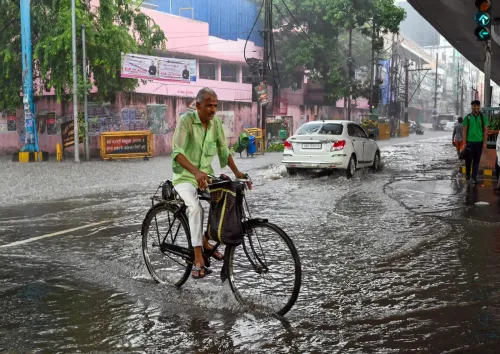
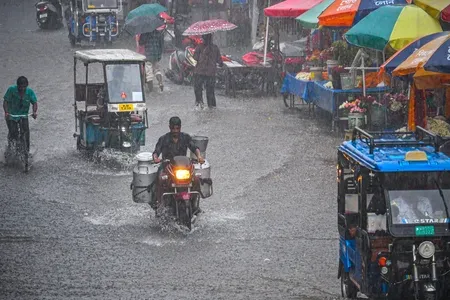
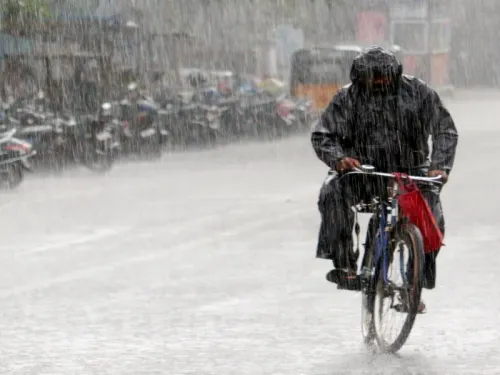
Intermittent rainfall has been recorded over the past 24 hours in around 11 districts, including the state capital Patna. Thunderstorms with strong winds and lightning are expected to continue across the flagged zones. Despite the sustained weather activity, no significant temperature change is anticipated immediately — though temperatures could climb by 2–4 degrees Celsius once rainfall activity tapers off.
The disruption is already visible on the ground. A large tamarind tree fell onto NH-31 near Dargahi Tola under Pandarak police station in Patna, temporarily blocking vehicular movement on the national highway.
Storm-Related Casualties Reported
Adverse weather has claimed lives in at least two districts. In Samastipur, two female students died and one person was injured after a tree collapsed during a powerful storm on Thursday. In Banka, a woman died on Wednesday night when a dilapidated wall caved in amid heavy rainfall. The administration has urged residents to stay indoors during storms and to avoid trees, electricity poles, and structurally weak buildings.
Kosi Basin on High Alert
The flood threat along the Kosi basin has intensified considerably. Continuous heavy rainfall in Nepal's Terai is expected to push substantial water volumes downstream, with authorities anticipating a significant release from the Kosi Barrage. The Water Resources Department has placed engineers and officials overseeing the Kosi basin on high alert.
The Saharsa district administration is conducting public address campaigns to warn communities near the river and embankments. Around 35 panchayats across the blocks of Navhatta, Mahishi, Simri Bakhtiyarpur, and Salkhua have been identified as particularly vulnerable. Residents living within the embankments, along with local boatmen, have been instructed to move to elevated locations if conditions deteriorate.
Multiple Atmospheric Systems Converging Over Bihar
Weather experts note that several simultaneous atmospheric systems are driving the volatile conditions. The southwest monsoon is currently in its main withdrawal phase across parts of the state. Concurrently, a deep depression that formed near the northern coastal areas of Andhra Pradesh is tracking northwestward while gradually weakening. A Western Disturbance in the upper atmosphere is also adding moisture and instability to the mix.
This convergence of systems — monsoon withdrawal, a migrating depression, and an upper-level disturbance — is a pattern that has historically produced prolonged rainfall and flash-flooding risk in Bihar's flood-prone districts. Authorities have asked residents to stay alert and follow official weather and disaster-management advisories as conditions continue to evolve.
Point of View
Not accidental. The Kosi's dependence on Nepal's Terai rainfall — over which India has no control — means every late-monsoon surge carries the same script: alerts, evacuations, and preventable deaths. The three fatalities reported this week from falling trees and collapsing walls point to a failure of pre-storm structural audits and public communication at the local level. The convergence of a retreating monsoon, a migrating Andhra depression, and a Western Disturbance in a single week is unusual and underlines the need for Bihar's disaster machinery to shift from reactive to predictive. The vulnerability of 35 panchayats in Saharsa, a figure that recurs each season, suggests embankment strengthening remains an unfulfilled long-term commitment.
NationPress
25 Sept 2026
Frequently Asked Questions
Which districts in Bihar are under yellow alert on 25 September 2026?
The Bihar Meteorological Department has issued a Yellow Alert for 19 districts, warning of thunderstorms, strong winds, and lightning. Intermittent rainfall has already been recorded in around 11 of these districts, including Patna, over the past 24 hours.
How many people have died due to the storms in Bihar?
At least three people have died in storm-related incidents — two female students in Samastipur after a tree fell during a storm on Thursday, and a woman in Banka after a dilapidated wall collapsed on Wednesday night. One additional person was injured in the Samastipur incident.
Why is the Kosi River flood risk elevated right now?
Continuous heavy rainfall in Nepal's Terai region is pushing large volumes of water into the Kosi system, raising the likelihood of a significant rise in river levels downstream in Bihar. Authorities also expect a substantial release from the Kosi Barrage, prompting the Water Resources Department to place the entire Kosi basin on high alert.
Which areas in Saharsa are most vulnerable to flooding?
Around 35 panchayats across the Navhatta, Mahishi, Simri Bakhtiyarpur, and Salkhua blocks in Saharsa district have been identified as particularly at risk. Residents living within embankments and local boatmen have been advised to move to safe, elevated locations if conditions worsen.
What weather systems are causing the heavy rain in Bihar?
Three atmospheric systems are converging simultaneously: the southwest monsoon, currently in its main withdrawal phase; a deep depression that formed near the northern coast of Andhra Pradesh and is moving northwestward while weakening; and a Western Disturbance contributing upper-atmospheric moisture and instability. Their combined effect is sustaining rainfall, thunderstorms, and lightning across the state.