Kosi River discharge hits 97,935 cusecs; Bihar on flood alert after Nepal rains
Synopsis
With Kosi River discharge surging to 97,935 cusecs at the barrage and 1,23,000 cusecs at Nepal's Barahkshetra — and experts warning it could cross 1,50,000 cusecs — Bihar is bracing for one of its most tense monsoon moments. Eleven barrage gates are open, 20 districts are under weather alerts, and the next few hours of rainfall in Nepal could determine whether embankments hold.
Key Takeaways
Kosi River discharge recorded at 97,935 cusecs at the Kosi Barrage at 10:00 a.m. on 22 June .
Discharge at Barahkshetra, Nepal reached 1,23,000 cusecs and was still rising; experts warn it could cross 1,50,000 cusecs .
11 gates of the Kosi Barrage have been opened as a precautionary measure.
Chief Engineer Sanjeev Shailesh of the Birpur Water Resources Department confirmed field personnel are deployed at designated locations.
The Meteorological Department has issued alerts for 20 Bihar districts , warning of heavy rain, lightning, and winds of 50–60 kmph .
Residents near the Kosi embankments, farmers, and fishermen have been advised to remain on high alert.
The Kosi River recorded a discharge of 97,935 cusecs at the Kosi Barrage at 10:00 a.m. on Monday, 22 June, as continuous heavy rainfall across the hilly regions of Nepal caused a sharp rise in water levels, placing authorities in Bihar on high alert. As a precautionary measure, 11 gates of the Kosi Barrage have been opened to manage the surge.
Discharge Levels and Rising Threat
At Barahkshetra in Nepal — one of the primary catchment points of the Kosi basin — discharge reached 1,23,000 cusecs by 10:00 a.m., with officials confirming the level was still climbing. Experts have warned that if rainfall persists in the upper catchment areas, discharge could cross 1,50,000 cusecs during the course of the day. Such volumes significantly raise the risk of flooding in areas situated within the Kosi embankments.
What Authorities Are Doing
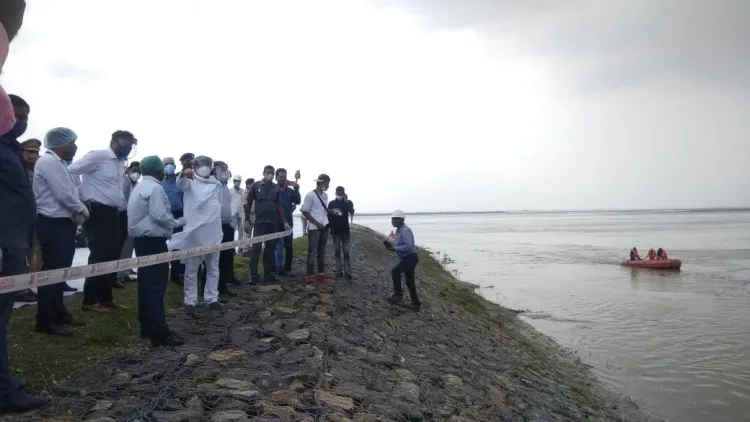
Chief Engineer Sanjeev Shailesh of the Birpur Water Resources Department confirmed that the rise in water levels is directly linked to rainfall in Nepal, and that engineers and field personnel have already been deployed at designated locations along the river. Junior Engineers, Assistant Engineers, and other departmental staff have been directed to continuously monitor sensitive embankments and vulnerable stretches. The Water Resources Department has activated monitoring mechanisms across all high-risk zones.
Weather Alerts Across Bihar Districts
The Meteorological Department has issued weather alerts for 20 districts in Bihar. Heavy rainfall, thunderstorms, lightning, and strong winds of 50–60 kmph are forecast for Patna, Gaya, Jehanabad, Nalanda, Nawada, Sheikhpura, Begusarai, Lakhisarai, Munger, Jamui, Khagaria, Saharsa, Madhepura, Supaul, Araria, Purnea, Kishanganj, Katihar, Bhagalpur, and Banka. Residents in these districts have been urged to remain vigilant, particularly against the risk of lightning strikes.
Impact on Residents and Farmers
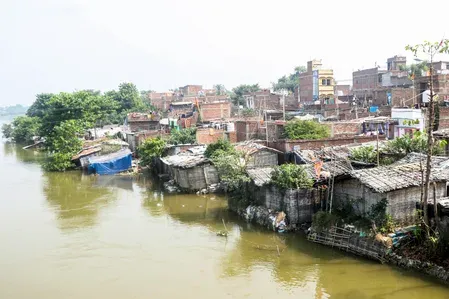
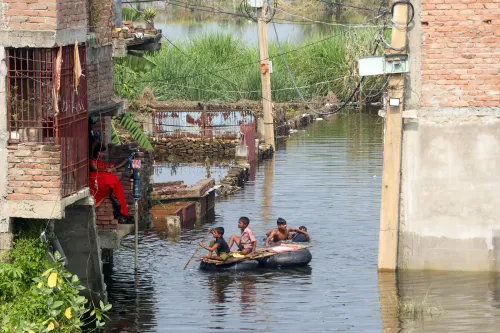
Communities living within the Kosi embankments have expressed deep concern, drawing on memories of past flood disasters that have repeatedly devastated the region. Bihar faces severe flooding almost every year along the Kosi basin, with thousands of families displaced and extensive damage to crops, homes, and infrastructure. Farmers, fishermen, and residents in flood-prone areas have been specifically advised to exercise heightened caution during periods of heavy rainfall and thunderstorms. Authorities have urged people near rivers and low-lying areas to follow instructions issued by the local administration.
What Happens Next
The situation along the Kosi River is being closely monitored, and further administrative action will depend on evolving rainfall patterns in Nepal and the resulting discharge levels downstream. With the monsoon season intensifying, the coming hours are considered critical for the districts most exposed to Kosi flooding.
Point of View
Yet the response remains reactive: opening barrage gates, deploying engineers, issuing alerts. The real question is why communities within the embankments still lack robust early-warning systems and evacuation infrastructure after repeated devastation. With discharge potentially crossing 1,50,000 cusecs and 20 districts under weather alerts, the pressure is on state authorities to move beyond monitoring and into proactive protection of the most vulnerable communities along the basin.
NationPress
21 Sept 2026
Frequently Asked Questions
Why is Bihar on flood alert on 22 June 2025?
Bihar is on flood alert because continuous heavy rainfall in Nepal's hilly regions has caused the Kosi River's discharge to surge to 97,935 cusecs at the Kosi Barrage, with levels still rising. Authorities have opened 11 barrage gates and deployed field personnel along vulnerable embankments.
What is the current discharge level at Barahkshetra in Nepal?
Discharge at Barahkshetra, a major catchment point in Nepal, reached 1,23,000 cusecs at 10:00 a.m. on 22 June and was continuing to rise. Experts have warned the figure could cross 1,50,000 cusecs if rainfall persists in the upper catchment areas.
Which districts in Bihar are under weather alert?
The Meteorological Department has issued alerts for 20 districts: Patna, Gaya, Jehanabad, Nalanda, Nawada, Sheikhpura, Begusarai, Lakhisarai, Munger, Jamui, Khagaria, Saharsa, Madhepura, Supaul, Araria, Purnea, Kishanganj, Katihar, Bhagalpur, and Banka. Heavy rain, thunderstorms, lightning, and winds of 50–60 kmph are forecast.
What action has the Bihar Water Resources Department taken?
The Water Resources Department has activated monitoring mechanisms in vulnerable areas, deployed Junior Engineers, Assistant Engineers, and field staff at sensitive embankments, and confirmed that 11 Kosi Barrage gates have been opened. Chief Engineer Sanjeev Shailesh stated that personnel are already at designated locations.
Why does Kosi flooding affect Bihar so severely every year?
The Kosi River, often called 'Bihar's sorrow', drains a vast Himalayan catchment across Nepal and is highly sensitive to monsoon rainfall upstream. Its shifting course and the communities living within its embankments make annual flooding almost inevitable, causing widespread damage to crops, homes, and infrastructure across the basin districts.