Darbhanga floods 2025: 20 villages inundated, six cut off as Kosi, Kamala Balan surge

Synopsis
Four days after water was released from the Kosi Barrage, more than 20 villages in Darbhanga are underwater and six are completely cut off. With private boats charging ₹40 a trip and schools flooded, the gap between official preparedness figures and ground reality is stark — and the monsoon is far from over.
Key Takeaways
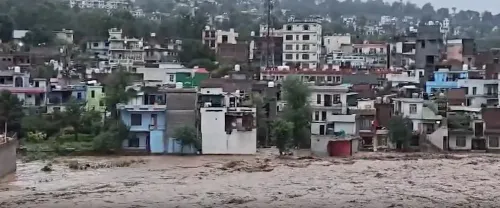
More than 20 villages in Darbhanga district have been inundated following heavy discharge from the Kosi Barrage as of 18 July .
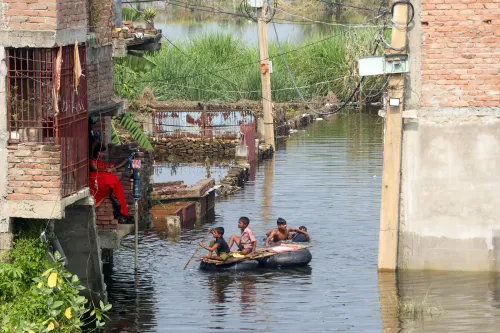
Six villages in Kusheshwar Asthan East block are completely cut off, accessible only by boat.
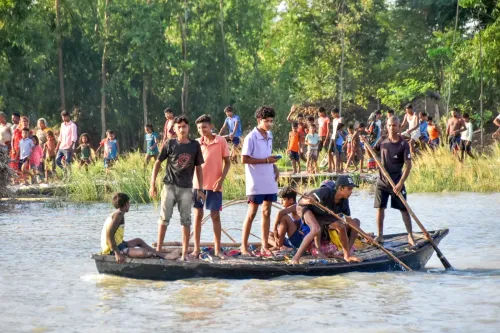
Residents allege a shortage of government boats; private operators are charging ₹40 per person per round trip.
Floodwaters have entered Lakshminiya Primary School ; Itahar Pokhar Primary School is surrounded by water.
The administration has arranged 186 government boats , identified 512 relief camp locations, and readied 611 community kitchens .
District Magistrate Kaushal Kumar has ordered evacuation of nearly two dozen vulnerable villages as a precautionary measure.
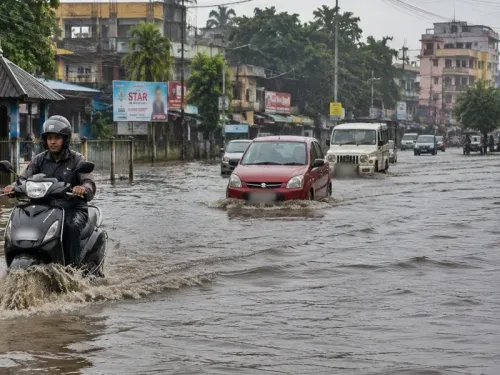
Severe flooding has hit Darbhanga district in Bihar, with more than 20 villages submerged following heavy rainfall in Nepal's Terai region and the subsequent discharge of water from the Kosi Barrage. The crisis, which has deepened over four days since the barrage release, has left thousands of residents stranded across the Kusheshwar Asthan East and Ghanshyampur blocks as of 18 July.
Scale of Inundation
The swollen Kosi and Kamala Balan rivers have pushed floodwaters into low-lying settlements at pace, cutting off six villages in Kusheshwar Asthan East block entirely from the mainland — effectively turning them into islands. The affected villages include Itahar, Chaukiya, Lakshminiya, Baltharwa, and Basbaria under Itahar Panchayat, and Bharain Tola in Sughrain Panchayat. Roads linking these villages to the block headquarters have been completely submerged, with boats now the only means of movement.
Residents Stranded, Private Boats Fill the Gap
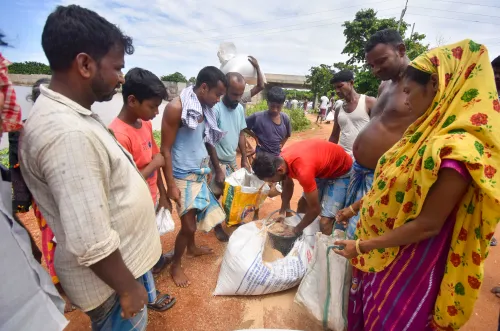
With 13 boats currently deployed for rescue and supply runs, villagers say the number falls far short of what is needed. Residents of Golaima village allege that the administration has not deployed sufficient government-operated boats, forcing many to rely on private operators charging around ₹40 per person for a round trip. The disruption has made it extremely difficult for people to reach markets, access banking services, or transport patients to hospitals.
Schools Shut, Education Disrupted
The flood has also reached educational institutions. Floodwaters entered Lakshminiya Primary School, halting all teaching activities. At Itahar Pokhar Primary School, the campus is surrounded by water, making it unsafe for students and staff. Block Education Officer Prince Kumar said both schools will be closed as a precautionary measure if river levels continue to rise.
Administration Response
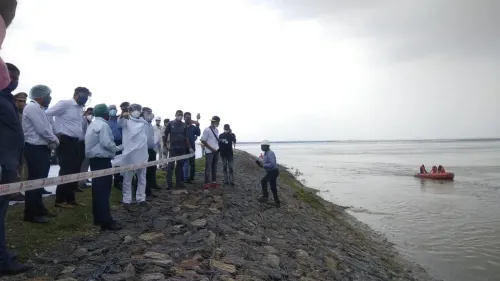
District Disaster Management Officer Pranav Raj said the situation, while serious, remains under control, with relief and rescue preparations completed. According to official figures, 186 government boats have been arranged, 512 locations identified for relief camps, and 611 community kitchens readied to provide food to displaced families if required.
District Magistrate Kaushal Kumar said all embankments are under round-the-clock monitoring and that arrangements for shelter and food are in place. 'As a precautionary measure, the administration has ordered the evacuation of nearly two dozen vulnerable villages,' he said. He added that embankments across five divisions are under continuous surveillance and that private boats have been permitted to ensure uninterrupted transport in low-lying Kusheshwar Asthan.
Broader Context
Bihar's Mithilanchal region faces annual flooding driven by rainfall and river discharge from Nepal, but this year's surge has been aggravated by unusually heavy precipitation in Nepal's Terai. The Kosi — historically called 'Bihar's sorrow' — has a long record of catastrophic floods in the state, and the current episode follows a pattern where upstream discharge decisions have downstream consequences for millions. With the monsoon still at its peak, authorities are watching river levels closely for any further deterioration.
Point of View
512 relief sites, 611 kitchens — sound reassuring on paper, but the ground signal is different: only 13 boats are deployed where six villages are already islands. Bihar's annual flood response has long been criticised for the gap between pre-positioned resources and actual deployment speed. The Kosi's downstream impact on Mithilanchal is not a surprise; it is a calendar event. The real accountability question is why private boats at ₹40 a head are filling a gap that government logistics should have closed before the barrage gates opened.
NationPress
17 Oct 2026
Frequently Asked Questions
Why are villages in Darbhanga flooded in July 2025?
Heavy rainfall in Nepal's Terai region and the subsequent release of water from the Kosi Barrage caused the Kosi and Kamala Balan rivers to overflow, inundating more than 20 villages in Darbhanga district. The flooding intensified over four days following the barrage discharge.
Which villages in Darbhanga are worst affected?
Six villages in Kusheshwar Asthan East block are completely cut off from the mainland. The affected villages include Itahar, Chaukiya, Lakshminiya, Baltharwa, Basbaria, and Bharain Tola, all of which are accessible only by boat.
What relief measures has the Darbhanga administration put in place?
According to officials, 186 government boats have been arranged, 512 locations identified for relief camps, and 611 community kitchens readied to provide food to displaced families. District Magistrate Kaushal Kumar has also ordered the evacuation of nearly two dozen vulnerable villages.
Are schools affected by the Darbhanga floods?
Yes. Floodwaters have entered Lakshminiya Primary School, halting classes, and Itahar Pokhar Primary School is surrounded by water. Block Education Officer Prince Kumar said both schools will be shut if river levels rise further.
Why are residents complaining about the flood response?
Villagers allege that the administration has not deployed enough government-operated boats, leaving them dependent on private operators who charge around ₹40 per person for a round trip. Only 13 boats are currently deployed in areas where six villages are entirely cut off.