Gopalganj waterlogging: Rain exposes drainage failure, floods Sadar Hospital

Synopsis
A brief pre-monsoon shower was all it took to flood Gopalganj's largest hospital and submerge its main roads — exposing years of allegedly wasted crores on drain cleaning. With peak monsoon still weeks away, the town's drainage crisis is a warning the Bihar administration cannot afford to ignore.
Key Takeaways
A brief spell of rain on Saturday triggered severe waterlogging across Gopalganj, Bihar .
Sadar Hospital, Gopalganj — the district's largest healthcare facility — was inundated with knee-deep stagnant water, blocking emergency ward access.
Overflowing drains mixed sewage with rainwater, spreading contaminated water across residential areas and major roads.
Residents have questioned the effectiveness of pre-monsoon drain-cleaning drives reportedly conducted at a cost of crores of rupees annually.
Risk of waterborne diseases has risen sharply; residents fear a far worse situation during peak monsoon season in June–July.
Citizens are demanding improved drainage infrastructure, proper desilting, and long-term flood management solutions from authorities.
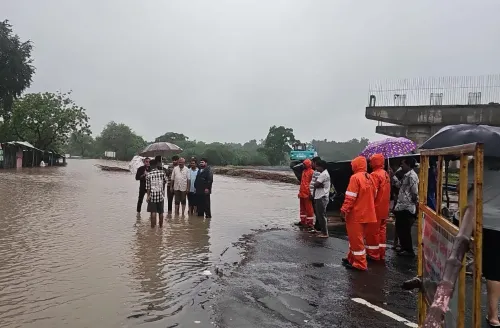
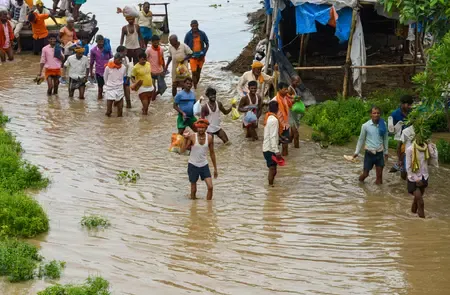
A brief spell of rain on Saturday, 3 May 2025 plunged Gopalganj in Bihar into chaos, exposing severe deficiencies in the town's drainage infrastructure. Major roads were submerged, residential localities flooded, and critically, the premises of Sadar Hospital — the district's largest public healthcare facility — were inundated with knee-deep stagnant water, disrupting emergency services and raising urgent public health concerns.
Hospital Premises Flooded, Emergency Access Blocked
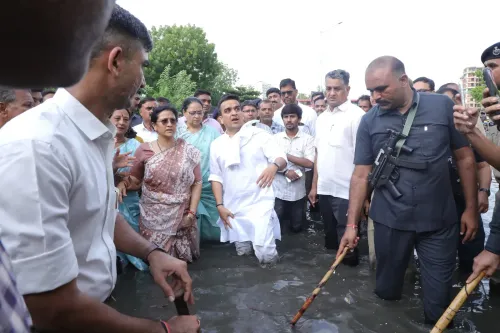
The most alarming consequence of the waterlogging was at Sadar Hospital, Gopalganj, where floodwater inundated pathways leading to the emergency ward. Movement of stretchers and wheelchairs was severely hampered, and patients along with their attendants were forced to wade through contaminated, foul-smelling water. Experts and residents have flagged that stagnant water inside a hospital compound significantly raises the risk of infectious and waterborne diseases, particularly for already-vulnerable patients.
Roads Submerged, Daily Life Disrupted
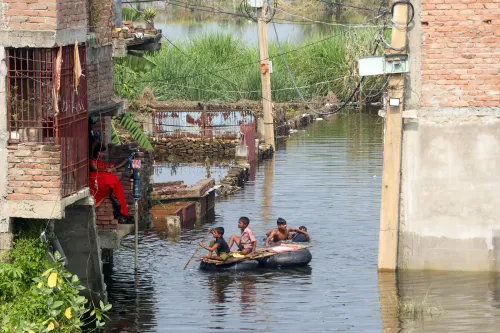
Across the town, major roads were rendered nearly impassable. Several low-lying localities, lanes, and residential areas were completely waterlogged, with overflowing drains mixing sewage with rainwater and spreading contaminated water onto streets. Residents — especially schoolchildren, women, and the elderly — faced severe inconvenience navigating through filthy conditions. According to locals, even short commutes became hazardous ordeals within hours of the rain beginning.
Pre-Monsoon Drain Cleaning Under Scrutiny
The incident has triggered sharp questions from residents about the efficacy of pre-monsoon drain-cleaning operations conducted by municipal authorities. Every year, local officials reportedly claim that drains are thoroughly desilted at a cost of crores of rupees. However, the fact that a few hours of rainfall was sufficient to cripple the town has exposed what residents describe as a glaring mismatch between public expenditure and on-ground results. Locals argue that the drain-cleaning drives are either inadequate or not being carried out as claimed.
Waterborne Disease Risk Looms Ahead of Monsoon
The stagnant, contaminated water has heightened fears of waterborne diseases such as cholera, typhoid, and leptospirosis. Residents are particularly concerned because this flooding occurred before the peak monsoon season, which typically arrives in June–July. If a brief pre-monsoon shower can cause this level of disruption, they warn, the town's drainage system may be wholly unprepared for sustained heavy rainfall. This pattern of annual flooding despite repeated municipal spending is not unique to Gopalganj — it reflects a systemic infrastructure gap across several Bihar towns.
Residents Demand Long-Term Fix
Citizens have urged the district administration and municipal body to take immediate corrective measures, including proper desilting of drains, repair of damaged drainage channels, and implementation of long-term flood management solutions. The incident serves as a stark warning ahead of the monsoon season, with authorities under pressure to demonstrate that public funds allocated for drainage maintenance are being deployed effectively. How the administration responds in the coming weeks will determine whether Gopalganj faces a more severe crisis when the rains intensify.
Point of View
Yet a single brief shower reduces a district hospital to a wading pool. The real question is whether these expenditures are being audited, and whether any official has been held responsible for a drainage network that fails before the monsoon even begins. Until Bihar's urban local bodies face consequences for infrastructure underperformance, the annual flood-then-blame cycle will continue uninterrupted.
NationPress
16 Sept 2026
Frequently Asked Questions
What caused the waterlogging in Gopalganj on Saturday?
A brief spell of pre-monsoon rain on Saturday overwhelmed Gopalganj's drainage system, causing widespread waterlogging across major roads, low-lying residential areas, and the premises of Sadar Hospital. The flooding exposed long-standing deficiencies in the town's drainage infrastructure.
How was Sadar Hospital, Gopalganj affected?
Sadar Hospital, the district's largest healthcare facility, was inundated with knee-deep stagnant water. Pathways to the emergency ward were submerged, making movement of stretchers and wheelchairs extremely difficult and forcing patients and attendants to wade through contaminated water.
Why are residents questioning drain-cleaning operations in Gopalganj?
Local authorities reportedly claim each year that drains are thoroughly cleaned at a cost of crores of rupees. However, the fact that a few hours of rainfall caused severe flooding has led residents to question whether these operations are being carried out effectively or at all.
What disease risks does the waterlogging pose?
Stagnant, contaminated water mixing with sewage raises the risk of waterborne diseases such as cholera, typhoid, and leptospirosis, particularly for residents of low-lying areas and patients at the flooded Sadar Hospital.
What are residents demanding from authorities?
Residents are urging the district administration and municipal body to improve drainage infrastructure, ensure proper desilting of drains, and implement long-term flood management solutions before the peak monsoon season arrives in June–July 2025.