CM Mohan Yadav Reviews MP Swamitva Property Rights Scheme
Synopsis
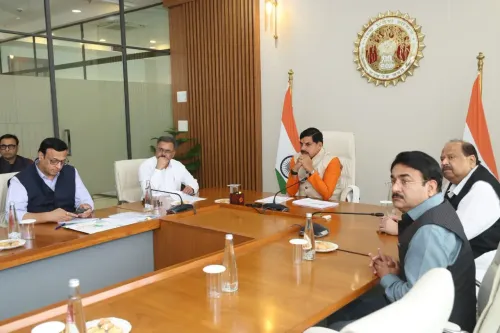
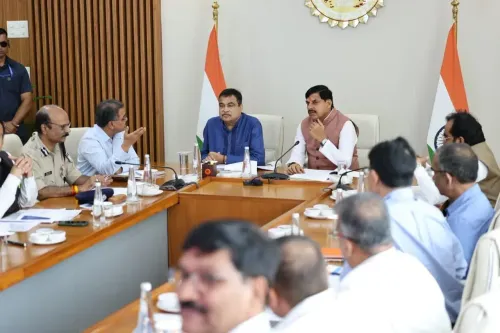
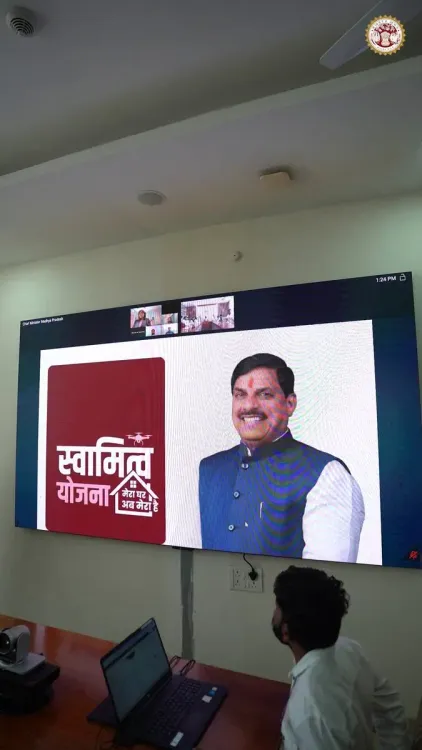
Madhya Pradesh CM Dr. Mohan Yadav on November 1 reviewed progress of the Swamitva Adhikar Abhilekh Nishpadan Evam Panjiyan Yojana-2026 at Samatva Bhavan, Bhopal, directing officials to ensure effective implementation and time-bound target completion for the state's property rights registration drive.
Key Takeaways
Mohan Yadav chaired a scheme-progress review at Samatva Bhavan , Bhopal, on November 1, 2026 .
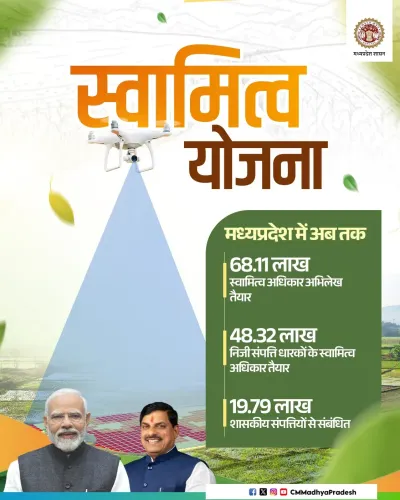
The Swamitva Adhikar Abhilekh Nishpadan Evam Panjiyan Yojana-2026 targets formal execution and registration of property ownership records in Madhya Pradesh.
Yadav directed officials to ensure 'effective implementation' and 'time-bound completion' of set targets.
The state scheme builds on the central SVAMITVA programme launched in 2020 by the Ministry of Panchayati Raj, which used drone mapping to issue rural property cards.
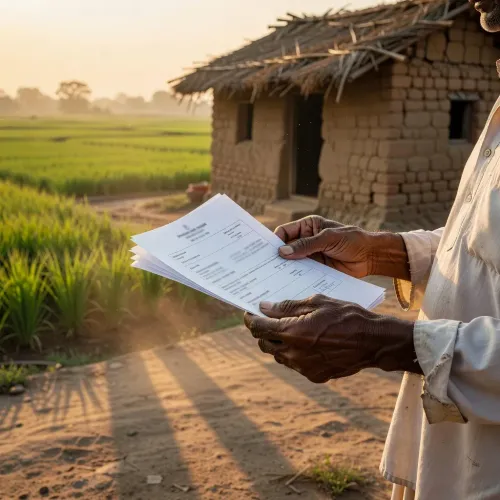
Clear property titles directly enable rural households to access formal credit and reduce land-related litigation.
Property rights on paper mean nothing without formal records — and Madhya Pradesh Chief Minister Dr. Mohan Yadav moved on Sunday to make sure his state closes that gap on time. At a review meeting held at Samatva Bhavan, his official residence in Bhopal, on November 1, 2026, the Chief Minister's Office of Madhya Pradesh announced that he assessed progress on the Swamitva Adhikar Abhilekh Nishpadan Evam Panjiyan Yojana-2026 — the state's dedicated scheme for executing and registering ownership rights records.
What the scheme sets out to do
The Swamitva Adhikar Abhilekh Nishpadan Evam Panjiyan Yojana-2026 is a Madhya Pradesh government initiative aimed at completing the execution and formal registration of property ownership documents, with targets pegged to a 2026 deadline. The scheme builds on the momentum of the central government's SVAMITVA programme — launched in 2020 by the Ministry of Panchayati Raj — which used drone mapping to survey villages and issue property cards to rural residents across India.
Madhya Pradesh's 2026 scheme pushes that effort a step further: ensuring those records are not merely surveyed but formally executed and registered, giving landowners legally actionable title documents. Rural landowners and revenue officials are the primary stakeholders in its rollout.
Dr. Yadav's directives to officials
At Sunday's review, Dr. Mohan Yadav directed officials to ensure 'effective implementation of the scheme and time-bound completion of the set targets,' according to the Chief Minister's Office post. The meeting at Samatva Bhavan was framed as a course-correction and accountability exercise — keeping bureaucratic timelines honest ahead of the year-end push.
Chief Minister since December 2023, Dr. Yadav has positioned land governance and record digitisation as pillars of his administration's rural outreach. India's broader push under the Digital India Land Records Modernisation programme has made property title clarity a touchstone of governance credibility in central Indian states.
Why clear land titles matter beyond paperwork
The stakes are real and well-documented. Ambiguous rural property records fuel litigation, block access to formal credit, and leave landowners — particularly in villages — unable to leverage their most significant asset. Resolving title uncertainty through formal registration directly connects rural households to the formal economy. Madhya Pradesh, as a large agrarian state, carries outsized weight in this national project.
What to watch now: periodic progress reports from the revenue and panchayat departments, and whether the scheme hits its registration targets before the 2026 deadline.
Point of View
Not a rolling target. The move sits within a broader BJP governance narrative of converting rural welfare schemes into tangible, verifiable outcomes before election cycles. Formalising land titles in an agrarian state like Madhya Pradesh also has downstream economic logic — unlocking collateral for rural credit and reducing court congestion from title disputes. The real test will be whether registration numbers in revenue department data match the political rhetoric in the months ahead.
NationPress
1 Nov 2026
Frequently Asked Questions
What is the Swamitva Adhikar Abhilekh Nishpadan Evam Panjiyan Yojana-2026?
It is a Madhya Pradesh government scheme aimed at executing and formally registering property ownership rights records for rural residents, with completion targets set for 2026.
How is MP's 2026 scheme different from the central SVAMITVA scheme?
The central SVAMITVA scheme, launched in 2020, focused on surveying villages via drone mapping and issuing property cards. Madhya Pradesh's 2026 scheme goes further by ensuring those records are formally executed and registered as legal ownership documents.
What did CM Mohan Yadav direct officials during the review?
Dr. Mohan Yadav directed officials to ensure effective implementation of the scheme and time-bound completion of its set targets, according to the Chief Minister's Office.
Where was the review meeting held?
The review was held at Samatva Bhavan, the Chief Minister's official residence in Bhopal, on November 1, 2026.
Why does formal land registration matter for rural households in Madhya Pradesh?
Formal land titles give rural landowners legally actionable ownership documents, enabling them to access formal credit, resolve disputes faster, and reduce costly litigation over property.