Odisha CMO: Flood Relief Accelerated Across Ganjam Villages
Synopsis
The Chief Minister's Office of Odisha announced accelerated flood rescue and relief operations across Ganjam district, with teams distributing medicines, water purification tablets, food supplies, and hot meals from temporary community kitchens to affected villagers.
Key Takeaways
The Chief Minister's Office of Odisha announced intensified rescue and relief operations in flood-affected Ganjam district on November 1, 2026 .
Relief materials being distributed include emergency medicines , water purification tablets , and food supplies.
Temporary community kitchens have been established to provide hot cooked meals to displaced residents.
Rescue teams are described as 'continuously operational' to ensure safety and meet immediate needs.
Ganjam is a high-risk coastal district in southern Odisha, regularly exposed to riverine flooding during the monsoon season.
Odisha's disaster response protocols were institutionalised through the OSDMA , established after the devastating Super Cyclone of 1999 .
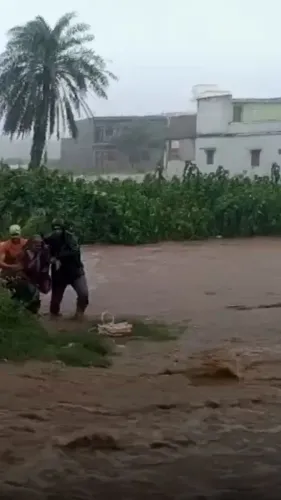
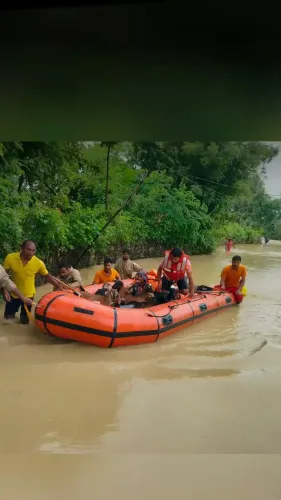
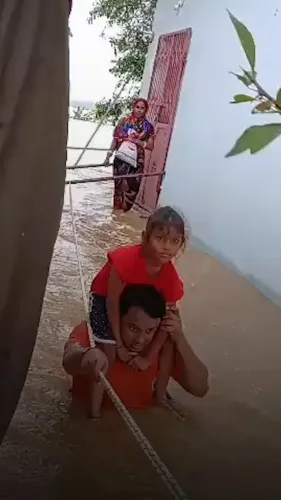
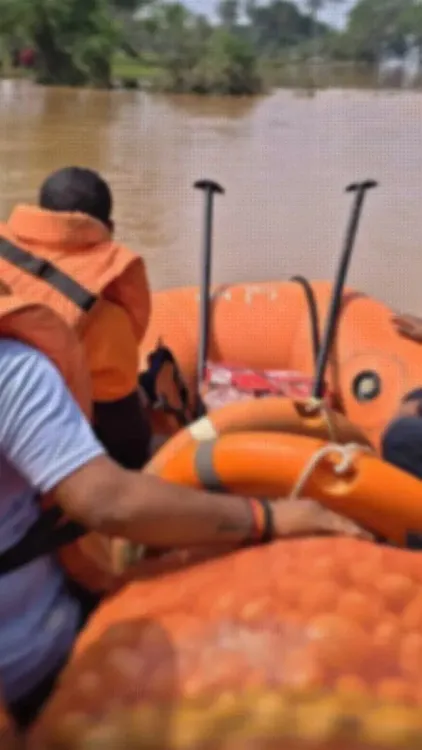
Rescue teams are working without pause across flood-hit villages in Ganjam district as the Chief Minister's Office of Odisha confirmed on Sunday, November 1, 2026 that relief operations have been significantly intensified to meet the urgent needs of affected residents.
What is reaching the villages — and how fast
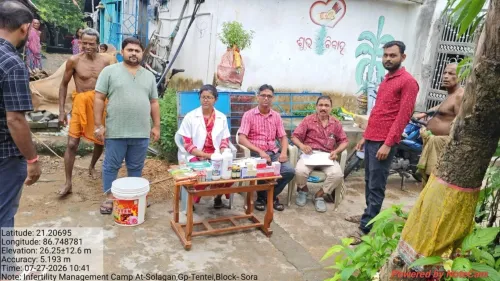
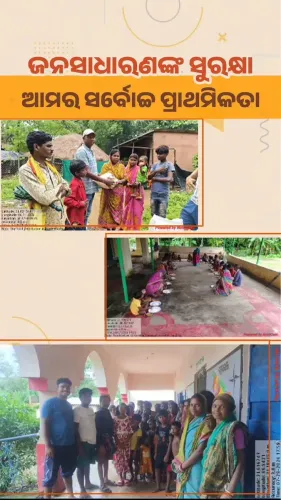
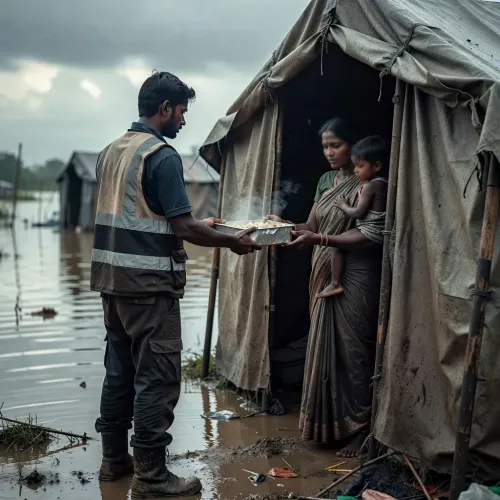
The CMO's post, written in Odia, states that rescue and relief work has been 'accelerated' across various flood-affected villages in Ganjam district. Relief materials, emergency medicines, water purification tablets, and food supplies are being distributed. Temporary community kitchens have been set up to provide hot cooked meals to residents — a step that signals the scale of displacement on the ground.
Rescue teams, the post says, are 'continuously operational' to ensure the safety of affected people and to meet their immediate needs. The presence of water purification tablets in the relief package points to drinking-water contamination risk — a standard concern when floodwaters overtop residential areas in coastal Odisha.
Why Ganjam is a recurring frontline in Odisha's flood story
Ganjam, a coastal district in southern Odisha, lies in the flood corridor of the Rushikulya and several other rivers that swell dramatically during the monsoon. The district has been one of Odisha's most flood-exposed zones for decades, drawing the state's rapid-response machinery year after year.
That machinery was formally built after the catastrophic Super Cyclone of 1999, which killed roughly 10,000 people and prompted Odisha to establish the Odisha State Disaster Management Authority (OSDMA) — one of India's first state-level disaster bodies. The protocols now in use — standing rescue teams, pre-positioned relief stocks, mobile kitchens — trace directly to that institutional overhaul. Odisha has since been widely cited as a benchmark for disaster preparedness in the Indian coastal belt.
What comes next for Ganjam's affected families
Immediate relief is the first phase; the harder work follows. Damage assessment of homes, agricultural land, and local infrastructure typically takes days after floodwaters begin receding. Formal rehabilitation packages and repair of embankments, roads, and drinking-water systems are the markers to watch as the situation stabilises.
For now, the state's message is clear: teams are in the field, supplies are moving, and hot meals are reaching people who may have lost access to their own kitchens entirely. In a district that has seen this crisis before, the speed of that response is the one variable that changes outcomes.
Point of View
Annual flooding across Odisha's coastal districts continues to stress-test the OSDMA model — and each event quietly builds the case for longer-term investments in embankment resilience and early-warning infrastructure, which remain the gap between relief and genuine risk reduction.
NationPress
1 Nov 2026
Frequently Asked Questions
Which district in Odisha is currently affected by flooding?
Ganjam district in southern Odisha is currently flood-affected, with the Chief Minister's Office confirming accelerated rescue and relief operations across its villages.
What relief is being provided to flood victims in Ganjam?
Flood-affected residents in Ganjam are receiving relief materials, emergency medicines, water purification tablets, food supplies, and hot meals through temporary community kitchens set up by rescue teams.
Why is Ganjam district frequently hit by floods?
Ganjam is a coastal district in southern Odisha that lies along the flood corridor of rivers including the Rushikulya , making it highly vulnerable to riverine flooding during the annual monsoon season.
What is OSDMA and what role does it play in Odisha's flood response?
The Odisha State Disaster Management Authority (OSDMA) was established in 1999 after the Super Cyclone to coordinate rescue, relief, and disaster preparedness across the state. It underpins the standing protocols now being used in Ganjam.
What should we watch for next in the Ganjam flood situation?
Key developments to follow include official damage assessment reports covering homes, farmland, and infrastructure, as well as any state government announcements on rehabilitation packages or repair works in affected Ganjam villages.