Bihar floods: West Champaran inundated after 1.8 lakh cusecs Gandak Barrage release
Synopsis
Nepal's floods have spilled into Bihar — literally. A discharge of 1.8 lakh cusecs from the Valmiki Nagar Gandak Barrage has submerged roads in West Champaran under five feet of water, cutting off 3,000 residents from medical care and forcing them to wade three kilometres through flood water in a tiger reserve. Over 5,000 people have been evacuated, but locals say this crisis returns every monsoon — and no one builds the road.
Key Takeaways
1.8 lakh cusecs of water was released from the Valmiki Nagar Gandak Barrage on 31 August following severe flooding in Nepal .
The main road connecting Chakdaha , Jhautala , and Bintoli in Bagaha-2 is submerged under nearly five feet of water.
Around 3,000 people are cut off from essential services including medical care; residents must wade three kilometres through floodwater.
The area falls within the Valmiki Tiger Reserve , adding wildlife danger to the flood crisis.
Over 5,000 residents from vulnerable areas have been relocated by the district administration as a precaution.
Locals say the flooding and infrastructure failure have recurred every monsoon for years with no lasting remedy.
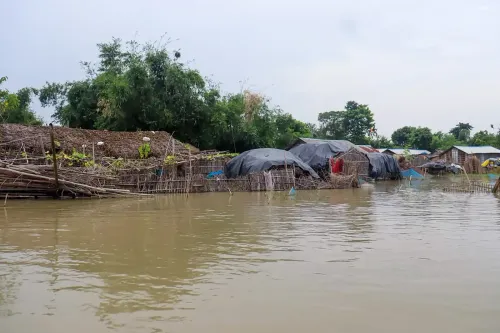
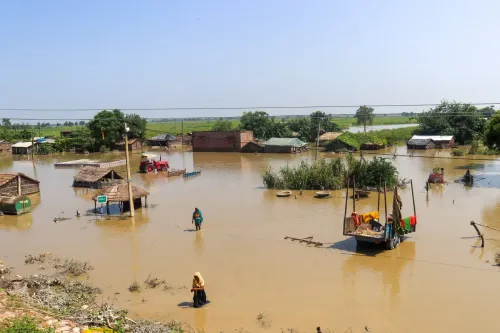
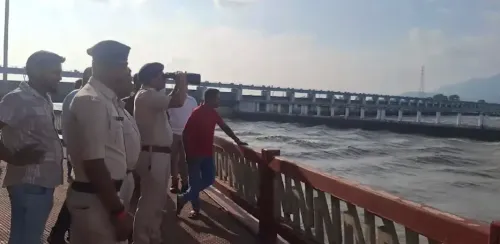
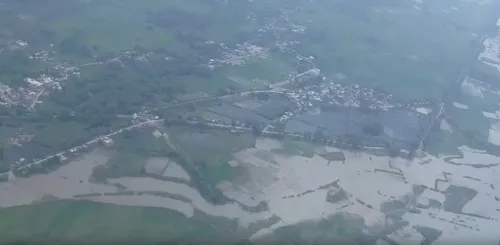
Floodwaters have submerged several low-lying areas of West Champaran district in Bihar after approximately 1.8 lakh cusecs of water was discharged from the Valmiki Nagar Gandak Barrage on 31 August, following devastating floods in neighbouring Nepal. The release has triggered a humanitarian crisis for thousands of residents who depend on inundated roads for daily survival.
Roads Under Water, Villages Cut Off
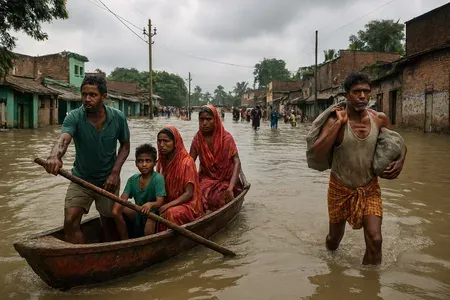
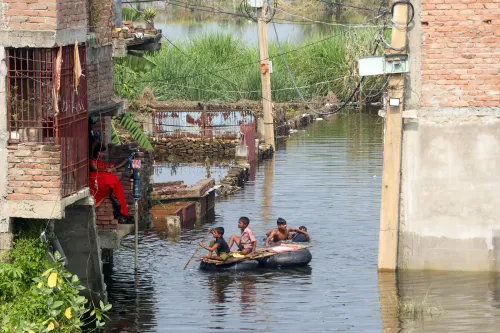
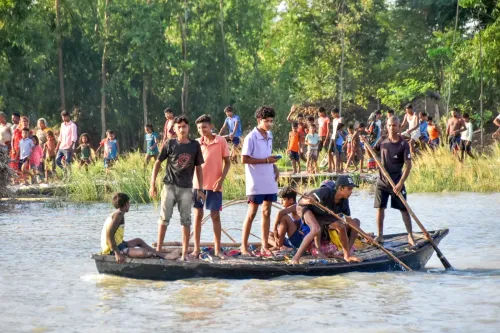
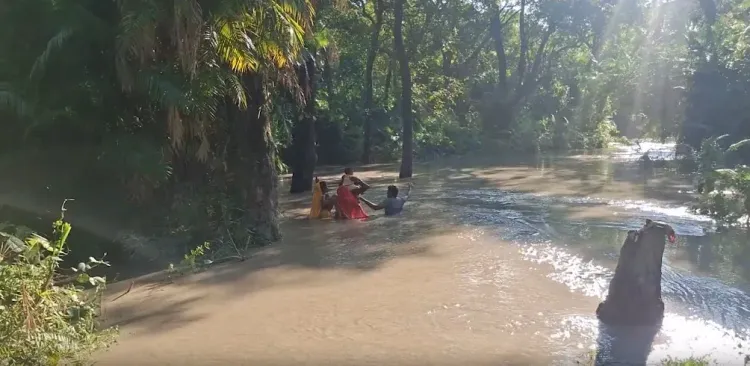
The main road connecting Chakdaha, Jhautala, and Bintoli in the Bagaha-2 block has been submerged under nearly five feet of water after around 1.64 lakh cusecs were released from the barrage. Approximately 3,000 people depend on this route for essential needs, including access to medical care. Residents of Chakdahwa and surrounding villages report having to wade through water for nearly three kilometres to reach the nearest town.
Notably, the flooding is not a new phenomenon — locals say the problem has persisted for years, compounded by poor road infrastructure and the absence of street lighting. This is the latest in a recurring annual cycle of monsoon-related displacement in the region.
Voices From the Ground
Anju Kumari, a resident of Chakdahwa, described returning from a doctor's visit in Bhedihari with her one-year-old child through neck-deep water. 'We have to walk through water throughout the entire rainy season. It is a huge problem, but what can we do?' she said, appealing to the government to build a proper road.
Suraj Kumar, another resident of Chak Dawa, said: 'The situation is very bad. It is a three-kilometre journey to the city. We walk through water up to our necks.' Resident Haslim Gaddi echoed the frustration, noting that neither roads nor lighting have improved despite years of complaints. 'No one pays heed to our problems. We have been facing this problem for years,' Gaddi said.
Sohail Ansari added a further dimension to the crisis — the area falls within the Valmiki Tiger Reserve, exposing residents to wildlife danger as they wade through floodwaters. 'Being part of the Valmiki Tiger Reserve, there is also a constant fear of animals,' he said.
Administration Response
As a precautionary measure, the West Champaran district administration has relocated more than 5,000 people from vulnerable and low-lying areas to safer locations. Authorities are also monitoring flood conditions across other at-risk districts in Bihar, with emergency arrangements in place to respond to rising water levels.
The Bihar government has urged residents to remain alert, follow official instructions, and refrain from spreading or acting on unverified rumours during the ongoing flood situation.
The Nepal Connection
The immediate trigger for the barrage release was the severe flooding in Nepal, which sent a surge of water downstream through the Gandak river system. The Gandak Barrage at Valmiki Nagar serves as a critical control point, but large-scale releases — while necessary to prevent structural damage — routinely inundate downstream communities in West Champaran. This comes amid a broader pattern of cross-border flood impact that has repeatedly strained Bihar's disaster response capacity every monsoon season.
Point of View
Year after year, with no road built and no lighting installed. The Gandak Barrage release is the proximate cause, but the deeper problem is that downstream communities in Bihar have been structurally written off in flood-management planning. The cross-border dimension — Nepal's floods triggering Bihar's displacement — also points to the absence of any meaningful bilateral early-warning mechanism that could give villages even a few hours of preparation time.
NationPress
15 Oct 2026
Frequently Asked Questions
Why were floodwaters released from the Gandak Barrage into West Champaran?
The Valmiki Nagar Gandak Barrage discharged approximately 1.8 lakh cusecs of water on 31 August due to a surge caused by severe flooding in neighbouring Nepal. Such releases are carried out to manage upstream pressure on the barrage structure, but they routinely inundate low-lying areas of West Champaran downstream.
How many people have been affected by the West Champaran floods?
Around 3,000 people who depend on the submerged road connecting Chakdaha, Jhautala, and Bintoli have been cut off from essential services including healthcare. The district administration has additionally evacuated more than 5,000 residents from vulnerable areas to safer locations.
What makes the Valmiki Tiger Reserve a compounding risk during floods?
The flooded areas of West Champaran fall within the Valmiki Tiger Reserve, meaning residents who wade through floodwaters also face the risk of encountering wildlife. Resident Sohail Ansari noted that villagers must cross up to six feet of water for three months each year while living under constant fear of animal encounters.
What has the Bihar government done in response to the flooding?
The Bihar government and district administration have relocated more than 5,000 people from low-lying areas, set up emergency monitoring across vulnerable districts, and urged residents to stay alert and follow official instructions. No announcement of permanent infrastructure improvements has been reported.
Is this flooding a recurring problem in West Champaran?
Yes, according to residents, the flooding and associated infrastructure failures — including submerged roads and absent street lighting — have persisted for years. Locals say appeals to the government for a proper road have gone unaddressed, making every monsoon season a repeat humanitarian crisis.