Bihar floods worsen as Nepal rains surge Gandak; Pappu Yadav demands probe
Synopsis
Nepal's Gandak basin rains have again pushed Bihar to the edge — an embankment has breached near Bagaha, agricultural land is submerged, and the Valmikinagar barrage is under stress. While the government says discharge is below 2024 levels, MP Pappu Yadav is on the ground demanding a high-level probe and a national disaster zone declaration for the region.
Key Takeaways
Heavy rainfall in Nepal's Gandak basin triggered a sharp surge at the Valmikinagar barrage on 29 September , worsening Bihar's flood situation.
Deputy Chief Minister Vijay Kumar Chaudhary confirmed the cross-border impact but said discharge volumes remain below 2024 peak levels.
A breach in the Champaran embankment near Khairtawa village, Bagaha sent floodwater into agricultural areas; emergency repair teams have been deployed.
Purnea MP Pappu Yadav inspected the breach site and demanded a high-level inquiry into embankment failures in 2024 and 2026 .
Yadav called for the Valmikinagar-Bagaha region to be declared a national disaster zone and sought loan waivers and compensation for affected farmers.
The Water Resources Department has deployed additional engineers and is maintaining round-the-clock monitoring of Gandak levels.
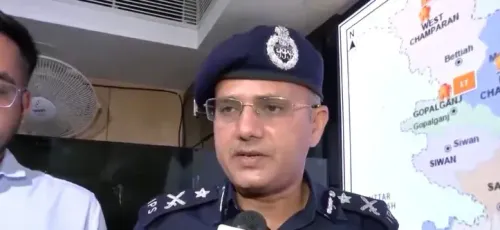
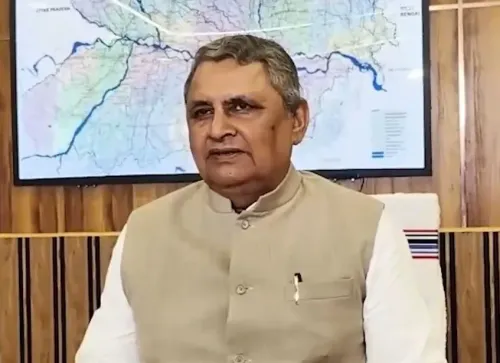
Bihar's flood crisis deepened on 29 September after heavy rainfall in Nepal's Gandak river basin triggered a sharp surge in water discharge at the Valmikinagar barrage, putting embankments under severe stress and inundating low-lying areas of West Champaran district. Deputy Chief Minister and Water Resources Minister Vijay Kumar Chaudhary confirmed that the cross-border rainfall impact was being felt acutely in Bihar and that the state's flood pattern was undergoing a change.
Government Response and Current Status
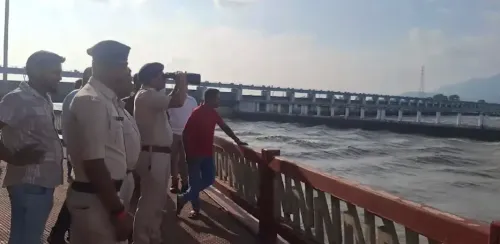
Addressing a press conference at the Janata Dal (United) office in Patna, Chaudhary said the volume of water discharge, while alarming, remained lower than the peak levels recorded in 2024. A Water Resources Department team was dispatched to Valmikinagar overnight and has been maintaining round-the-clock vigil. Officials have been placed on continuous alert and additional engineers deployed along vulnerable embankment stretches.
Chaudhary expressed cautious hope that the situation could stabilise by evening, provided no fresh significant rainfall occurred in Nepal's catchment areas. The department has continued to monitor Gandak water levels and discharge rates as the situation evolves.
Embankment Breach in West Champaran
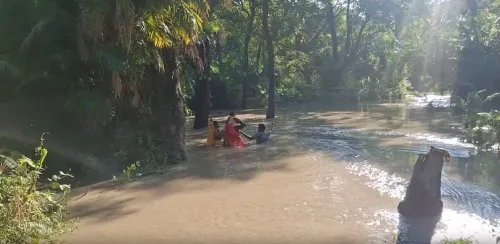
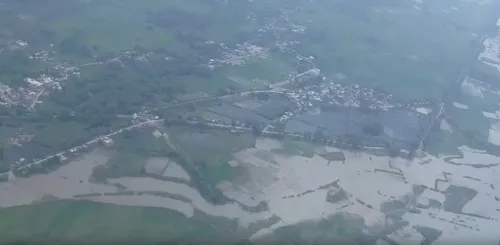
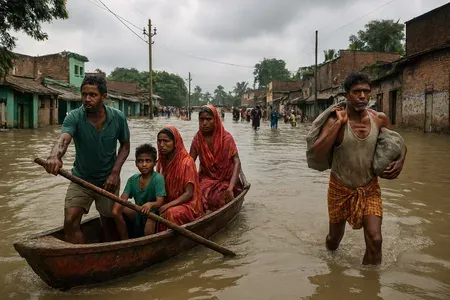
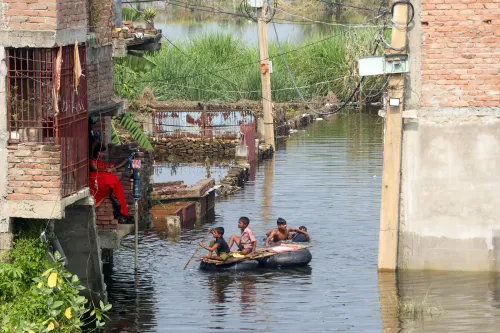
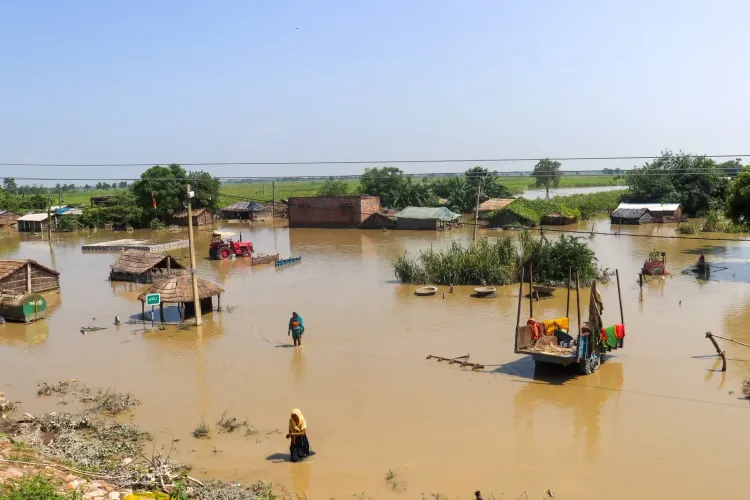
The crisis was compounded by a breach in the Champaran embankment near Khairtawa village in the Bagaha area, after the Gandak rose above its previous highest flood level. Floodwater subsequently entered agricultural fields, and authorities deployed emergency repair and restoration teams at the breach site. Several low-lying localities in West Champaran have been inundated, with water entering homes and disrupting road connectivity across parts of the district.
Pappu Yadav's Inspection and Demands
Purnea MP Rajesh Ranjan, widely known as Pappu Yadav, visited the damaged embankment in Bagaha on Tuesday and launched a sharp critique of the National Democratic Alliance (NDA) government's flood-management approach. He alleged that engineers and officials were directly responsible for the embankment breaches and demanded accountability. Yadav questioned the effectiveness of substantial annual expenditure on anti-erosion and flood-control works, arguing that embankments continue to remain vulnerable year after year despite the outlay.
The MP called for the construction of guide bunds and spurs along vulnerable stretches and urged measures to address silt accumulation in the Gandak. He also raised concerns about the adequacy of flood relief arrangements, including the availability of boats, medical facilities, and community kitchens in affected areas.
Key Demands and Accountability Calls
Yadav called for a high-level inquiry into embankment breaches recorded during 2024 and 2026 and demanded punitive action against officials found responsible following the investigation. He urged that the Valmikinagar-Bagaha region be declared a national disaster zone and sought a waiver of farmers' loans accumulated over the past five years, along with compensation for flood-related losses. The MP also demanded a comprehensive drone and AI-based assessment of flood damage and called for immediate relief and compensation to reach affected families. These demands and allegations were made by Yadav and would require assessment by relevant authorities.
Broader Pattern and What Comes Next
This is not an isolated episode. The Valmikinagar-Bagaha corridor has faced recurring flood threats, and according to Yadav, thousands of acres of agricultural land are affected each season. This comes amid a broader pattern of Nepal-triggered flooding in Bihar's northern districts, where river discharge levels in upstream Himalayan catchments directly determine the severity of inundation downstream. The Water Resources Department is expected to continue monitoring as weather conditions in Nepal remain a critical variable in the days ahead.
Point of View
In large part, a diplomatic and hydrological problem that state-level engineering cannot fully solve — Gandak discharge is determined by rainfall in Nepal, where India has limited real-time intervention. The recurring embankment breaches in West Champaran point to a structural maintenance deficit that annual anti-erosion budgets have evidently not addressed. Pappu Yadav's demand for drone and AI-based damage assessment is notable: if adopted, it could introduce a verifiable baseline that holds both engineers and relief machinery accountable in ways that self-reported damage figures never have. The more uncomfortable question is whether the Centre-state-Nepal coordination framework is fit for purpose in an era of increasingly erratic Himalayan rainfall.
NationPress
29 Sept 2026
Frequently Asked Questions
Why have Bihar floods worsened in late September 2026?
Heavy rainfall in Nepal's Gandak river basin caused a sharp rise in water discharge at the Valmikinagar barrage, putting Bihar's embankments under severe stress. A breach near Khairtawa village in the Bagaha area sent floodwater into agricultural fields and low-lying homes in West Champaran.
What did Deputy CM Vijay Kumar Chaudhary say about the flood situation?
Chaudhary confirmed that the impact of Nepal's rainfall was being felt in Bihar and that the state's flood pattern was changing. He said water discharge levels, while high, were lower than the peaks recorded in 2024, and that a Water Resources Department team had reached Valmikinagar overnight for continuous monitoring.
What demands has Pappu Yadav made over the Bihar floods?
Purnea MP Pappu Yadav has demanded a high-level inquiry into embankment breaches in 2024 and 2026, action against officials found responsible, declaration of Valmikinagar-Bagaha as a national disaster zone, loan waivers for farmers, and a drone and AI-based flood damage assessment. These demands and allegations were made by Yadav and would require assessment by relevant authorities.
Which areas of Bihar are most affected by the current floods?
West Champaran district, particularly the Valmikinagar-Bagaha corridor, is the worst-affected area. Several low-lying localities have been inundated, floodwater has entered homes, and road connectivity has been disrupted in parts of the district.
What steps has the government taken to manage the flood situation?
The Water Resources Department has deployed additional engineers along embankments, placed officials on round-the-clock alert, and sent a dedicated team to Valmikinagar overnight. Emergency repair and restoration work is under way at the breach site near Khairtawa village in Bagaha.