Surat floods: Dy CM Harsh Sanghavi tours Limbayat, Dindoli, orders urgent relief
Synopsis
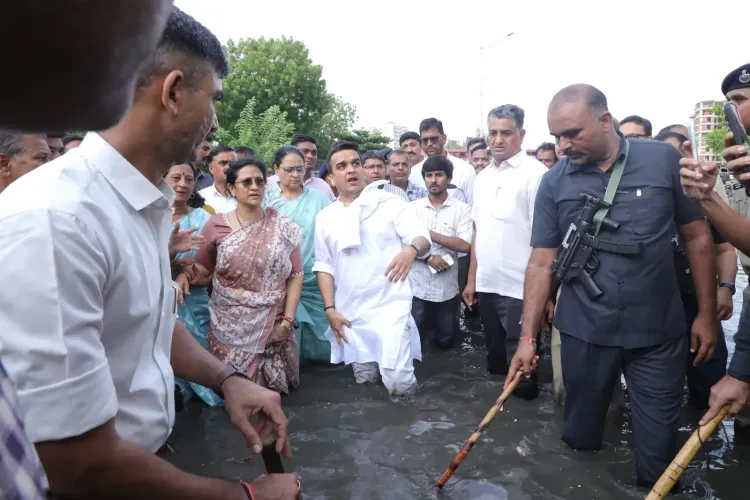
Gujarat Deputy CM Harsh Sanghavi personally walked flooded streets in Surat's Limbayat, Dindoli, and Saroli on 9 July, issuing on-the-spot directives for drainage, sanitation, and cash relief — a high-visibility state-level response to urban flooding that has disrupted thousands of residents and businesses during the active monsoon.
Key Takeaways
Gujarat Deputy CM Harsh Sanghavi inspected flood-hit areas in Surat on 9 July after heavy rainfall caused widespread waterlogging.
Localities surveyed include Limbayat , Dindoli , and Saroli .
Officials directed to expedite drainage, cleaning operations, uninterrupted power supply, and public health measures.
Cash doles and household assistance ordered for eligible flood-affected families at the earliest.
Senior officials including Surat Mayor Maya Mavani , Municipal Commissioner M.
Nagarajan , and District In-charge Secretary Shalini Agrawal accompanied the inspection.
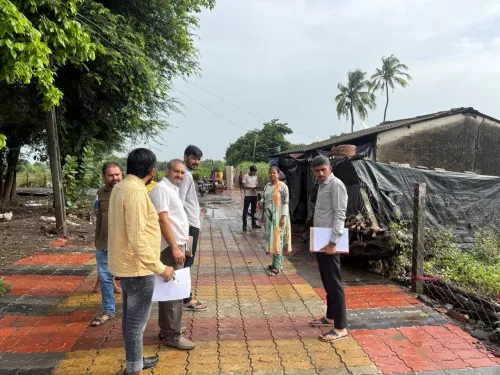
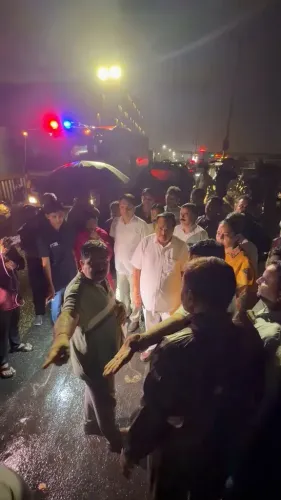
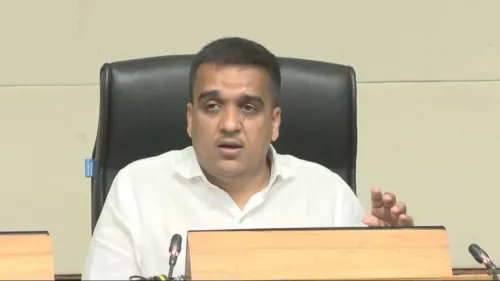
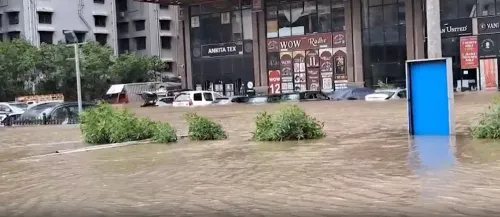
Gujarat Deputy Chief Minister Harsh Sanghavi on Thursday, 9 July conducted a ground-level inspection of flood-affected neighbourhoods in Surat, directing officials to fast-track relief distribution, drainage operations, and civic restoration after exceptionally heavy rainfall triggered widespread waterlogging across the city.
Areas Inspected and Ground Situation
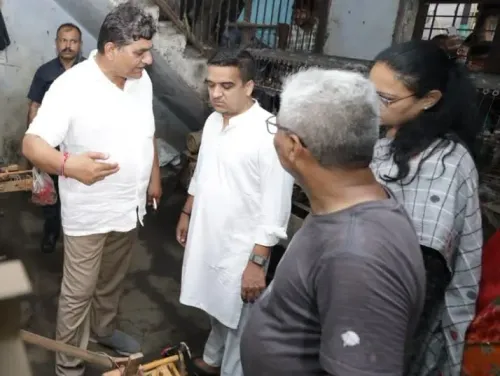
Sanghavi toured the inundated localities of Limbayat, Dindoli, and Saroli, meeting residents, shopkeepers, and families whose homes and livelihoods were hit by the flooding. He reviewed the scale of damage, assessed immediate needs, and gave a patient hearing to grievances raised by those affected. The visit came after heavy downpours left large swathes of the city submerged, disrupting daily life and triggering emergency response protocols.
Key Directives Issued
Following his on-ground assessment, the Deputy Chief Minister issued a series of urgent instructions to the district administration and civic bodies. He directed officials to expedite the pumping out of accumulated rainwater from inundated zones, intensify street-cleaning operations, and ensure uninterrupted electricity supply to affected localities. Special emphasis was placed on safeguarding public health and sanitation to prevent post-flood disease outbreaks — a persistent concern during monsoon flooding in dense urban areas.
Sanghavi also directed authorities to disburse cash doles and household assistance to eligible flood-affected families without further delay, and instructed concerned departments to resolve residents' complaints on an immediate basis.
Officials Who Accompanied the Visit
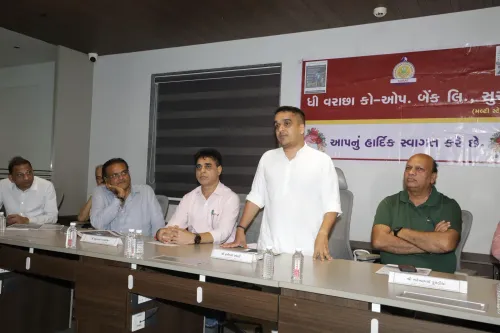
The inspection was attended by a broad cross-section of senior officials, signalling the administration's intent to coordinate response across multiple departments. Those present included MLA Sangeeta Patil, Surat Mayor Maya Mavani, Surat District In-charge Secretary Shalini Agrawal, Municipal Commissioner M. Nagarajan, Police Commissioner In-Charge Wabang Jamir, Standing Committee Chairman Rajan Patel, and officers of the Surat Municipal Corporation (SMC).
Ongoing Relief and Recovery Efforts
Civic teams have been deployed across vulnerable areas for continuous water-pumping, restoration of essential services, and monitoring of low-lying zones prone to re-flooding. This comes amid a broader pattern of urban flooding in Surat during the monsoon season — the city's low-lying industrial and residential pockets have historically been susceptible to waterlogging when rainfall intensity exceeds drainage capacity. Authorities are maintaining heightened vigil as the monsoon is still in its active phase.
With directives now issued at the highest state level, the administration faces pressure to demonstrate swift, measurable relief delivery to the thousands of families and businesses disrupted by the flooding.
Point of View
Time-bound relief delivery.
NationPress
8 Oct 2026
Frequently Asked Questions
Why did Gujarat Deputy CM Harsh Sanghavi visit Surat on 9 July?
Sanghavi visited Surat on 9 July to inspect flood-affected neighbourhoods in Limbayat, Dindoli, and Saroli after exceptionally heavy rainfall caused widespread waterlogging across the city. The visit was aimed at assessing damage, meeting affected residents, and issuing directives for immediate relief and restoration.
Which areas of Surat were worst affected by the flooding?
The localities of Limbayat, Dindoli, and Saroli in Surat were among the areas inspected by the Deputy CM. These neighbourhoods experienced significant waterlogging that disrupted normal life for residents, shopkeepers, and families.
What relief measures were ordered for flood-hit Surat residents?
The Deputy CM directed officials to accelerate drainage of accumulated rainwater, intensify cleaning operations, maintain uninterrupted electricity supply, and prioritise public health and sanitation. He also ordered cash doles and household assistance to be disbursed to eligible flood-affected families without delay.
Who accompanied Deputy CM Sanghavi during the Surat flood inspection?
The inspection was attended by MLA Sangeeta Patil, Surat Mayor Maya Mavani, District In-charge Secretary Shalini Agrawal, Municipal Commissioner M. Nagarajan, Police Commissioner In-Charge Wabang Jamir, Standing Committee Chairman Rajan Patel, and Surat Municipal Corporation officials.
Is Surat frequently affected by monsoon flooding?
Yes, Surat's low-lying industrial and residential pockets have historically been vulnerable to waterlogging when monsoon rainfall intensity exceeds the city's drainage capacity. The current flooding follows a broader pattern of recurring urban flood events in the city during the monsoon season.