White House Touts Defense Base Gains, NATO Balance Push
Synopsis
The White House on July 9, 2026 publicly claimed progress on three fronts: bolstering the U.S. defense industrial base, rebalancing NATO burden-sharing, and asserting an America First posture internationally — continuing a long-running push for allied spending parity and domestic production capacity.
Key Takeaways
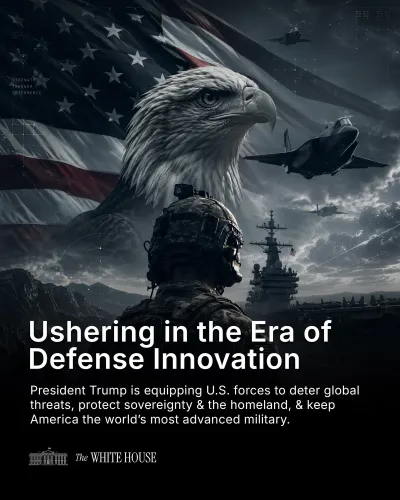
The White House posted on July 9, 2026 framing three foreign policy priorities as 'America's wins on the global stage.' The administration highlighted strengthening the U.S. defense industrial base — the domestic network of weapons and equipment manufacturers.
NATO burden-sharing remains a central concern, with the U.S. pushing allies toward the 2 percent of GDP defense spending guideline agreed in 2014 .
The 'America First' framing signals the administration will continue evaluating multilateral commitments by direct national benefit.
Upcoming NATO summits and the annual U.S. defense authorization bill will test whether these stated priorities become binding policy.
For India , deepening U.S. defense-industrial ties mean shifts in Washington's alliance posture carry direct implications for bilateral co-production and technology agreements.
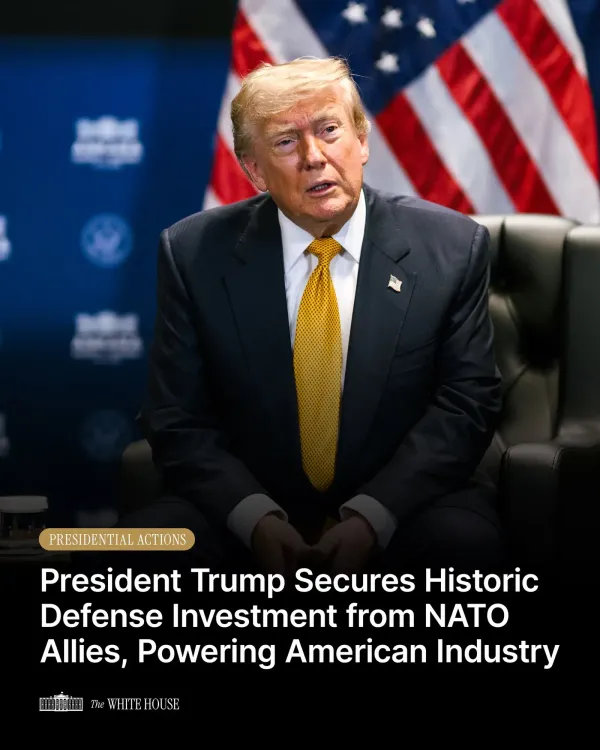
The White House on Thursday, July 9, 2026 posted publicly on X, highlighting three priorities it described as core achievements: strengthening the U.S. defense industrial base, restoring what it called 'balance' to NATO, and advancing an 'America First' posture on the global stage.
Context
The post frames recent foreign policy moves as 'America's wins on the global stage,' pointing readers to an external link for detail. The three themes — domestic defense production, alliance burden-sharing, and an assertive unilateral posture — have been recurring pillars of the current U.S. administration's international agenda. No specific figures, agreements, or events were named in the post itself.
The U.S. defense industrial base refers to the nationwide network of manufacturers, suppliers, and facilities that produce weapons systems, munitions, and military equipment. Successive administrations have flagged capacity gaps in this network, particularly after supply-chain strains exposed vulnerabilities in domestic production.
Policy Backdrop
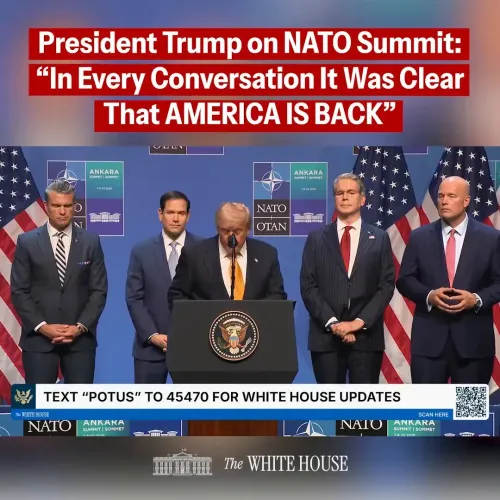
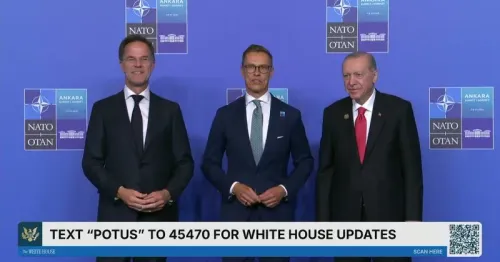
NATO, the 1949 collective-defense alliance of North American and European nations, has been a recurring flashpoint over burden-sharing. Member states agreed in 2014 to a guideline of spending at least 2 percent of GDP on defense, a target the U.S. has repeatedly pressed allies to meet. The Trump administration made this pressure explicit as early as 2018, and the current posture continues that lineage.
The phrase 'restoring balance to NATO' signals continued U.S. dissatisfaction with the pace at which European allies have raised their defense budgets. Simultaneously, the call to strengthen the domestic industrial base reflects bipartisan concern that American manufacturing capacity for munitions and platforms has not kept pace with current and projected security demands.
Stakeholders and Impact
NATO allies — particularly those in Europe — are the most directly implicated audience. Countries that remain below the 2 percent GDP spending threshold face continued political pressure from Washington to accelerate their defense budgets or risk straining the alliance's cohesion. The framing of 'balance' implies the U.S. views the current distribution of costs as inequitable.
U.S. defense contractors and industrial suppliers stand to benefit if policy translates into expanded procurement budgets and domestic manufacturing mandates. For India, which has deepening defense-industrial ties with the United States under various bilateral frameworks, shifts in American industrial policy and alliance priorities carry direct implications for co-production agreements and technology-transfer negotiations.
What's Next
Upcoming NATO summits and the annual U.S. defense authorization bill will be the clearest indicators of whether the administration's stated priorities translate into binding commitments and appropriations. Analysts will watch whether specific spending benchmarks are tied to alliance obligations and whether domestic procurement rules are tightened to favour American-made equipment.
The broader 'America First' framing suggests the administration will continue to evaluate multilateral commitments through the lens of direct national benefit — a posture that will shape Washington's engagement with partners across Europe, Asia, and beyond in the months ahead.
Point of View
Packaging distinct and complex policy threads — industrial policy, alliance management, and unilateralism — into a single 'wins' narrative ahead of what are likely upcoming NATO-related diplomatic moments. The 'restoring balance' language is pointed: it casts the alliance as currently imbalanced, sustaining pressure on European members without naming them. For partners like India, which navigates its own calculus between U.S. defense ties and strategic autonomy, this posture is a signal that Washington will continue to frame bilateral defense engagement in transactional terms.
NationPress
8 Oct 2026
Frequently Asked Questions
What did the White House say about NATO on July 9 2026?
The White House posted on X that it was 'restoring balance to NATO,' signalling continued pressure on alliance members to meet defense spending commitments, without specifying which countries or agreements were involved.
What is the U.S. defense industrial base?
The U.S. defense industrial base is the network of American companies and facilities that manufacture weapons, munitions, and military equipment needed to support national security. The White House cited strengthening this base as a key policy priority.
What is America First foreign policy?
America First is a foreign policy posture that prioritises direct U.S. national interests in international engagements, often emphasising burden-sharing demands on allies and scepticism of multilateral commitments that are seen as costly to American taxpayers.
What is NATO's 2 percent GDP defense spending rule?
NATO members agreed in 2014 to a guideline requiring each ally to spend at least 2 percent of their gross domestic product on defense. The United States has repeatedly pressed European allies to meet this target, and the current administration has continued that pressure.
How does U.S. NATO policy affect India?
India is not a NATO member but has growing defense-industrial ties with the United States. Shifts in American alliance policy and domestic procurement rules can affect co-production agreements, technology transfers, and the broader terms of the U.S.-India defense partnership.