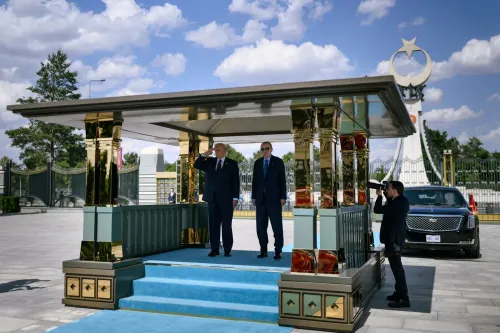
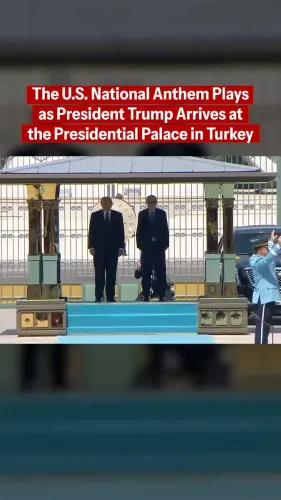
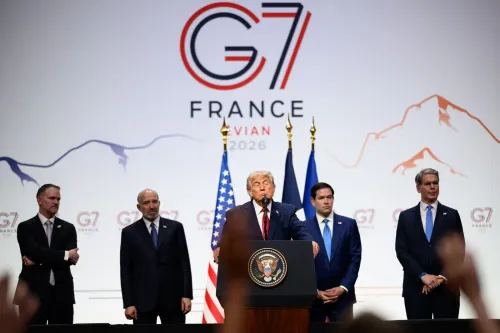
White House Says America 'Respected Again' After 2026 NATO Summit
Synopsis
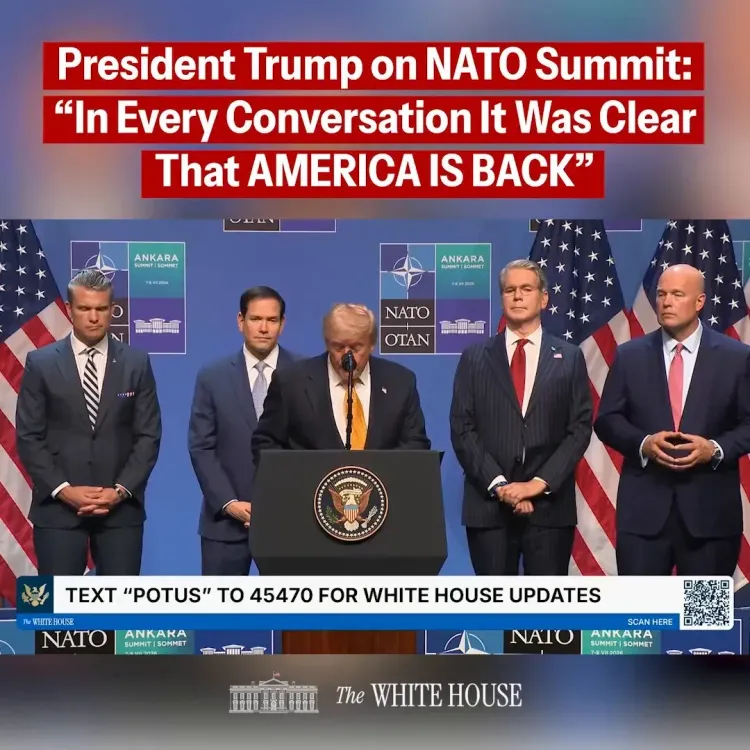
The White House declared on 8 July 2026 that America is 'RESPECTED AGAIN' on the world stage as President Trump wrapped up the 2026 NATO Summit. The statement echoes Trump's long-standing posture of assertive, transactional diplomacy and burden-sharing pressure on European allies.
Key Takeaways
The White House posted on 8 July 2026 that America is 'RESPECTED AGAIN on the world stage like never before' as the 2026 NATO Summit concluded.
President Trump has historically pressed NATO allies to meet the 2 percent of GDP defense-spending target agreed at the 2014 Wales Summit .
At the 2018 Brussels Summit , Trump publicly rebuked allies for under-spending on defense, a posture that produced higher budgets in several member states.
The White House's capitalised phrasing — 'RESPECTED AGAIN' — is a deliberate rhetorical echo of the Trump political brand centred on restored American leverage.
A NATO foreign-ministers meeting scheduled for late 2026 will be the next formal test of whether summit commitments translate into concrete policy.
For India , shifts in US global posture carry indirect implications for Indo-Pacific security frameworks and bilateral defense partnerships.
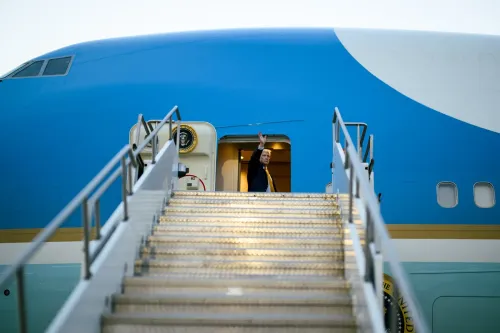
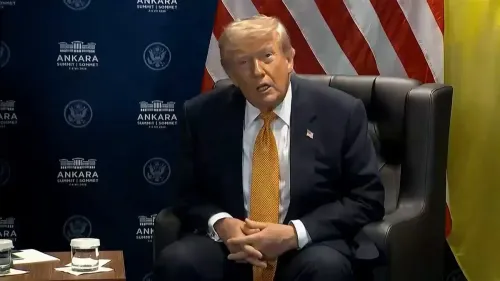
The White House declared on Wednesday, 8 July 2026 that the United States has reclaimed its standing on the world stage, posting a sweeping assertion as President Donald Trump concluded his participation in the 2026 NATO Summit. The official White House account on X stated that 'America is RESPECTED AGAIN on the world stage like never before.'
Context
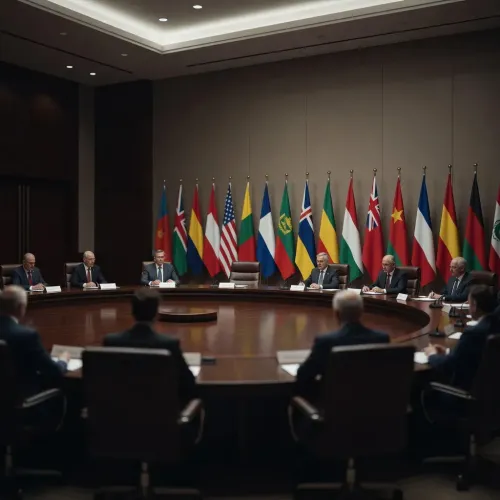
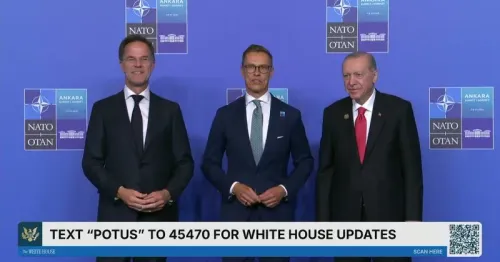
The post arrives at the close of what the White House is framing as a landmark multilateral moment for the Trump administration. NATO — the North Atlantic Treaty Organization, founded in 1949 — is a collective-defense alliance binding North American and European nations under the mutual-defense guarantee of Article 5. The 2026 summit represents the alliance's most prominent gathering of the current diplomatic cycle.
The White House's language — capitalising 'RESPECTED AGAIN' — is a deliberate rhetorical signal, echoing a central theme of the Trump political brand: that assertive American diplomacy restores global leverage lost under prior administrations.
Policy Backdrop
Trump's relationship with NATO has historically been defined by a hard line on burden-sharing. At the 2018 Brussels NATO Summit, he publicly rebuked allies for failing to meet the 2 percent of GDP defense-spending guideline agreed at the 2014 Wales Summit. During his first term from 2017 to 2021, the administration conditioned aspects of US force posture in Europe on demonstrable increases in allied spending.
That pressure yielded results in several member states, which raised defense budgets, but also generated recurring tensions over what European capitals described as US unilateralism. The 2026 summit message continues the same strategic emphasis: that American credibility flows from assertive, transactional diplomacy rather than unconditional alliance commitments.
Stakeholders and Impact
NATO's 32 member states are the immediate audience for this declaration. European governments — particularly those in Eastern Europe that depend most heavily on Article 5 guarantees — will parse the White House's framing closely for signals about the durability and conditionality of US commitments.
US defense officials and Congressional leaders overseeing alliance appropriations will also be watching how the summit's outcomes translate into specific policy deliverables. For India, which maintains a strategic partnership with the United States under frameworks such as the Major Defense Partner designation, shifts in Washington's global posture carry indirect but significant implications for Indo-Pacific security architecture.
What's Next
Defense-budget legislation in key European capitals will be an early indicator of whether the summit produced concrete spending commitments. A NATO foreign-ministers meeting is expected in late 2026, which will serve as the next formal checkpoint for alliance cohesion and follow-through on any summit pledges.
The White House's triumphalist framing sets a high benchmark: if allied spending or diplomatic alignment falls short in the months ahead, the gap between the rhetoric of 'respect' and measurable outcomes will draw scrutiny from both allies and domestic critics.
Point of View
Suggesting continuity in the use of multilateral forums as stages for projecting restored American dominance. For European allies, the language reinforces the transactional logic they have navigated since 2017: US engagement is tied to visible deference and spending compliance, not to shared values alone. The real measure of this claimed 'respect' will come in the months ahead, when defense-budget votes in European parliaments and alliance burden-sharing data either substantiate or undercut the summit's triumphalist framing.
NationPress
7 Oct 2026
Frequently Asked Questions
What did the White House say about the 2026 NATO Summit?
The White House posted on 8 July 2026 that 'America is RESPECTED AGAIN on the world stage like never before' as President Trump concluded the 2026 NATO Summit, framing the gathering as a vindication of his assertive foreign-policy approach.
What is the 2 percent GDP NATO defense spending target?
The 2 percent of GDP defense-spending guideline was agreed by NATO members at the 2014 Wales Summit. President Trump made enforcing this target a central demand of his first term, publicly rebuking allies who fell short at the 2018 Brussels Summit.
What is Trump's history with NATO?
During his first term from 2017 to 2021, Trump repeatedly threatened to condition US security guarantees on allied spending increases and publicly criticised member states at the 2018 Brussels Summit for not meeting the 2 percent GDP target. Several European nations raised defense budgets in response.
Why does the 2026 NATO Summit matter for India?
India holds a Major Defense Partner designation with the United States, meaning shifts in Washington's global posture and alliance priorities carry indirect implications for Indo-Pacific security architecture and bilateral defense cooperation.
What happens after the 2026 NATO Summit?
A NATO foreign-ministers meeting is expected in late 2026 and will serve as the next formal checkpoint for measuring whether summit commitments — particularly on defense spending — translate into concrete legislative and budgetary action in European capitals.