Trump Arrives in Turkey, Greeted by Erdogan Ahead of NATO Summit
Synopsis
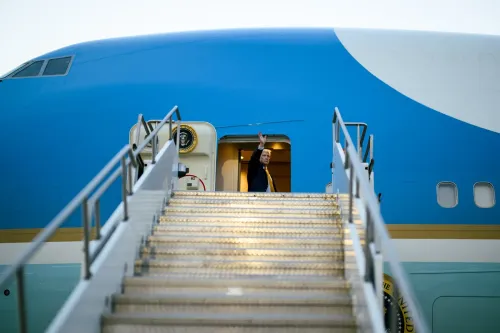
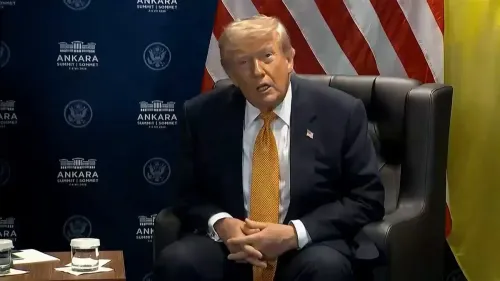
US President Donald Trump arrived in Turkey on 7 July 2026 and was greeted by President Recep Tayyip Erdogan ahead of the NATO summit. The visit continues a pattern of direct US-Turkey presidential diplomacy at alliance gatherings, with bilateral and collective security issues expected to dominate discussions.
Key Takeaways
Trump arrived in Turkey on 7 July 2026 ahead of the NATO summit.
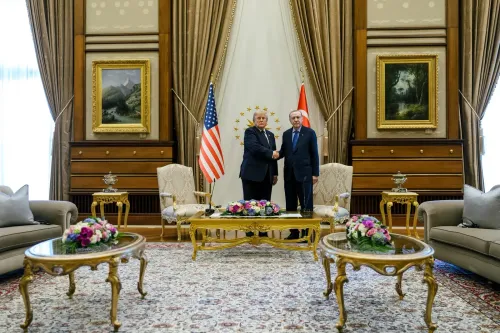
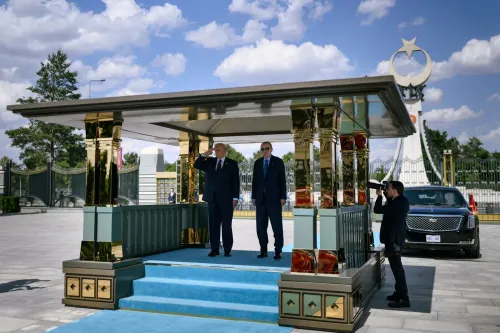
Turkish President Recep Tayyip Erdogan personally received Trump upon arrival, signalling strong bilateral protocol.
Turkey has been a NATO member since 1952 and is a key player on the alliance's southeastern flank.
Trump and Erdogan have held multiple bilateral meetings at NATO summits, including in Brussels (2018) and London (2019) .
The visit is expected to address both collective NATO agenda items and specific US-Turkey bilateral issues.
Joint statements and summit outcomes will be closely watched by alliance members and global partners.
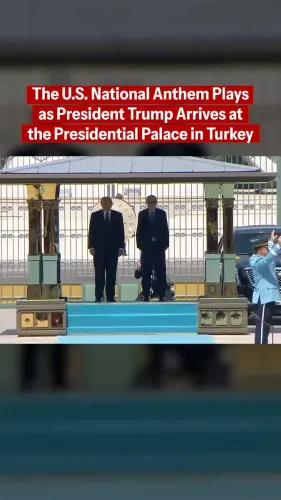
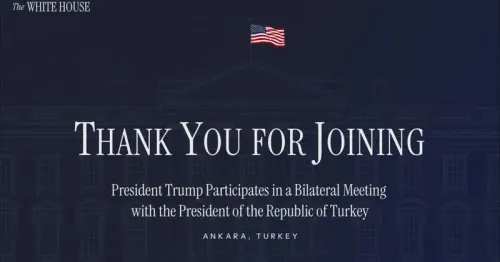
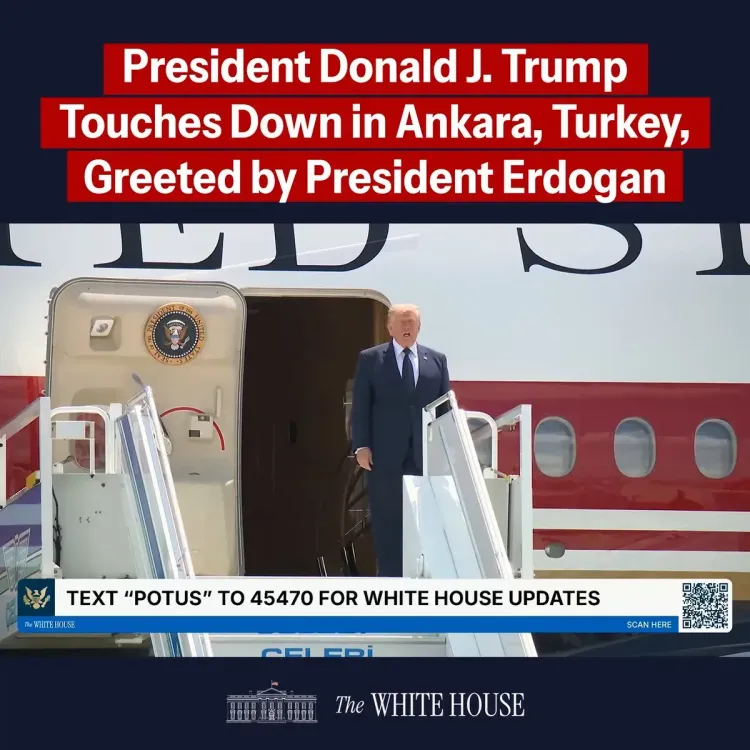
United States President Donald J. Trump arrived in Turkey on Tuesday, 7 July 2026, where he was received by Turkish President Recep Tayyip Erdogan ahead of the upcoming NATO summit. The White House confirmed the arrival and the bilateral greeting in an official post on X, underscoring the diplomatic significance of the visit.
Context
The White House announced that President Trump was greeted by President Erdogan upon landing in Turkey, setting the stage for high-level engagement on the sidelines of the NATO summit. The visit marks a direct leader-level interaction between Washington and Ankara at a critical moment for the alliance. Such arrivals and ceremonial receptions are a standard feature of major multilateral summits, signalling the bilateral relationship's importance alongside the collective agenda.
Policy Backdrop
Turkey has been a NATO member since 1952 and occupies a strategically vital position on the alliance's southeastern flank, bordering both the Middle East and the Black Sea region. President Erdogan, who has led Turkey since 2014, has steered Ankara through periods of both close cooperation with NATO partners and notable friction over independent defense procurements and regional policy choices. President Trump and President Erdogan have a history of direct bilateral engagement, including meetings on the margins of NATO summits in Brussels in July 2018 and London in December 2019, as well as a dedicated working visit to Turkey in November 2019 focused on Syria policy and alliance coordination.
The pattern of US-Turkey presidential diplomacy reflects Washington's consistent approach of using direct leader-level contact to manage both collective alliance commitments and specific bilateral disputes. Turkey's role as a key NATO member has made such engagements a recurring feature of American foreign policy across administrations.
Stakeholders and Impact
NATO allies, the US diplomatic corps, and the Turkish government are the primary stakeholders watching the outcome of this visit. For alliance members, the Trump-Erdogan meeting ahead of the summit carries implications for collective defense postures and burden-sharing discussions that typically dominate NATO leaders' gatherings. Bilateral issues between Washington and Ankara — including defense cooperation frameworks and regional security coordination — are expected to form part of the agenda in the margins of the summit.
For India and the broader international community, the tenor of US-Turkey relations directly influences NATO's cohesion and its capacity to respond to shared security challenges, from Eastern Europe to West Asia — regions of direct strategic interest to New Delhi.
What's Next
Observers will closely track whether President Trump and President Erdogan issue a joint statement following their bilateral interactions, and what positions the United States and Turkey adopt on key agenda items at the NATO summit. Any signals on alliance commitments, regional security arrangements, or defense cooperation agreements will be scrutinised by member states and global partners alike. The outcome of this visit is likely to set the diplomatic tone for broader alliance discussions in the days ahead.
Point of View
If occasionally difficult, NATO partner. The gesture of a presidential-level greeting signals that both sides are invested in managing their relationship at the highest diplomatic register ahead of what are likely to be complex summit negotiations. For the broader alliance, the optics of a warm Trump-Erdogan bilateral moment serve a stabilising function, projecting unity even as underlying tensions over defense procurement and regional policy persist. India, which maintains its own calibrated ties with both Washington and Ankara, will watch the summit's outcomes — particularly on West Asia and Black Sea security — with close attention.
NationPress
6 Oct 2026
Frequently Asked Questions
Why did Trump visit Turkey in July 2026?
President Trump travelled to Turkey on 7 July 2026 to attend the NATO summit, where he was received by Turkish President Erdogan ahead of the alliance's leadership meetings.
What is the significance of Erdogan greeting Trump personally?
A personal reception by President Erdogan signals the importance both countries place on their bilateral relationship, particularly at a major NATO summit where alliance cohesion and bilateral issues are on the agenda.
What is Turkey's role in NATO?
Turkey has been a NATO member since 1952 and serves as a critical player on the alliance's southeastern flank, bordering the Middle East and the Black Sea region.
Have Trump and Erdogan met before at NATO summits?
Yes, Trump and Erdogan have held bilateral meetings on the sidelines of NATO summits in Brussels in July 2018 and in London in December 2019, as well as a dedicated working visit to Turkey in November 2019.
What issues are expected to be discussed between Trump and Erdogan at the NATO summit?
Discussions are expected to cover collective NATO defense commitments, burden-sharing, and specific bilateral matters including defense cooperation and regional security coordination.