Trump heads to Ankara NATO summit: Erdogan, Zelensky, al-Sharaa meetings set
Synopsis
Trump's Ankara trip is more than a NATO check-in — it is a high-stakes diplomatic convergence with Erdogan, Zelensky, and Syria's al-Sharaa on the same itinerary. With a $139 billion allied spending pledge on the table, a frozen Ukraine battlefield, and billions in arms deals expected on the sidelines, the summit could define the alliance's posture for years.
Key Takeaways
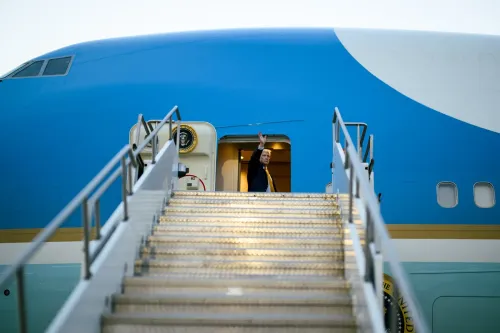
US President Donald Trump departs for Ankara on Monday, 7 July for a NATO summit running through Wednesday, 9 July .
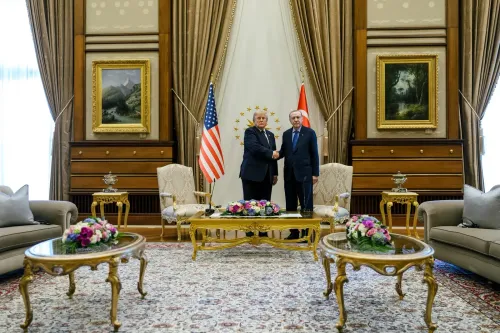
Bilateral meetings are scheduled with Turkish President Erdogan , Ukrainian President Zelensky , and Syrian President al-Sharaa .
The summit will assess allies' progress toward a 5% of GDP defence spending target agreed at the Hague summit .
NATO allies have committed nearly $139 billion in additional defence spending; roughly half directed at American-made equipment.
Officials expect billions of dollars in defence co-production and weapons purchase announcements on the sidelines.
Trump is expected to follow up with Russian President Vladimir Putin after meeting Zelensky to advance Ukraine ceasefire efforts.
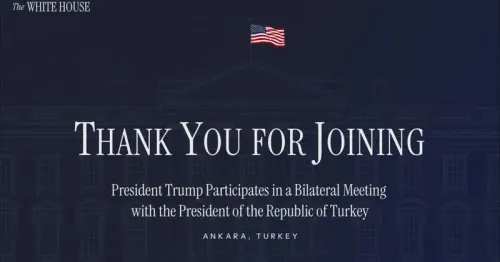
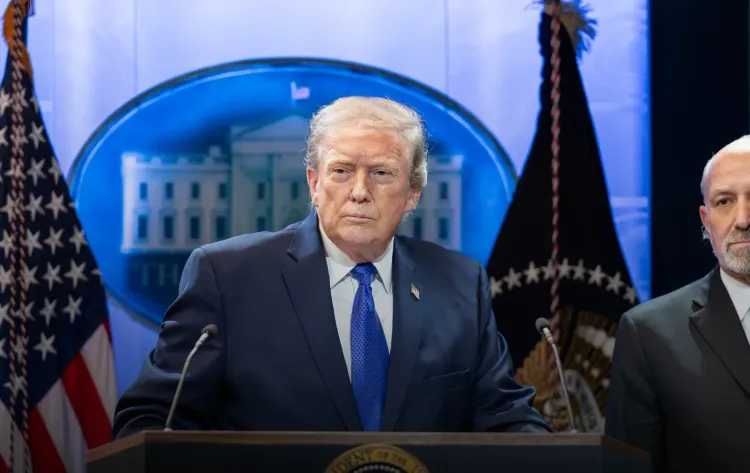
US President Donald Trump is set to travel to Ankara on Monday, 7 July for a NATO summit centred on defence spending, burden sharing, and defence industrial cooperation, the White House confirmed. The visit will include bilateral meetings with Turkish President Recep Tayyip Erdogan, Ukrainian President Volodymyr Zelensky, and Syrian President Ahmed al-Sharaa, marking one of the most diplomatically loaded NATO gatherings in recent memory.
Trump's Ankara Schedule
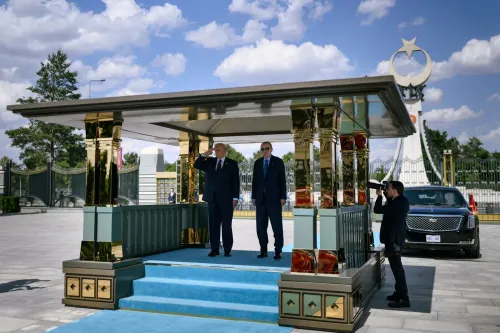
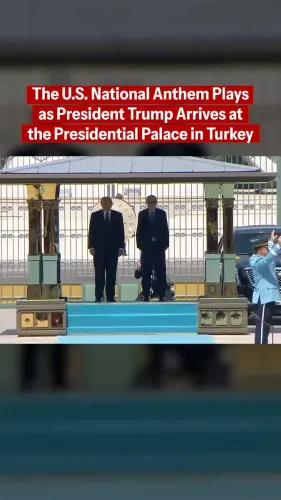
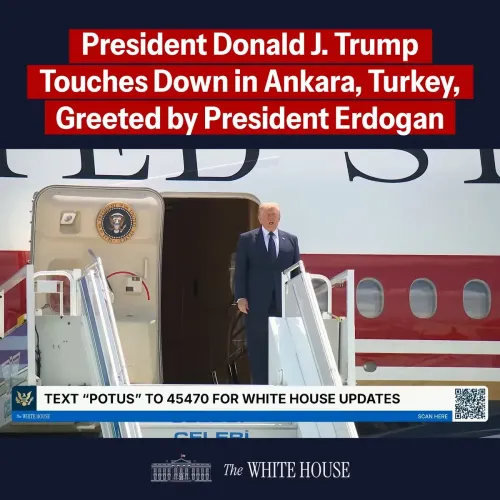
Trump will depart the White House on Monday evening and arrive in the Turkish capital on Tuesday afternoon, where he will be received by Erdogan at a State Arrival Ceremony and Honour Guard review before bilateral talks. On Tuesday evening, Trump will attend the NATO Leaders' Social Dinner.
On Wednesday, he will join the official welcome, the NATO Leaders' family photo, and the full working session. Bilateral meetings with Zelensky and al-Sharaa follow, after which Trump will hold a press conference before departing for Washington, with a return to the White House expected Wednesday evening, according to White House Spokeswoman Anna Kelly.
The 5% Defence Spending Target
US Ambassador to NATO Matthew G. Whitaker said the Ankara summit would measure allies' progress against the defence spending commitments agreed at last year's Hague summit, where NATO members committed to spending five per cent of their GDP on defence. 'President Trump expects all allies to step up immediately, and not only get on a sustainable path to the 5 per cent but get to 5 per cent as soon as possible in a very dangerous world that needs capable allies,' Whitaker said.
Whitaker noted that NATO allies had since committed nearly $139 billion in additional defence spending, with 'roughly half of that being on American-made equipment and weapons and munitions.' He identified Poland, the Nordic countries, and the Baltic states as leading contributors, while noting that Germany was on track to reach the target by 2029. He called on all allies to demonstrate 'meaningful upward trajectories' in spending to ensure fairer burden sharing.
Reshaping NATO's Structure
Kelly described the summit as another step in a broader strategic shift. 'Under this President's leadership, the United States has initiated a fundamental and historic shift in the structure of NATO, moving the alliance from a model of dependency on the United States to one of real burden sharing and self-reliance,' she said. Allies are also expected to discuss procurement frameworks and pathways for American companies to expand their presence across the alliance.
Whitaker added that the US goal remained 'shifting the burden of the conventional defense of Europe to our European allies,' while affirming that Washington remained 'a proud NATO member' with 'responsibilities elsewhere in the world, as the world's only superpower.' The Pentagon's review of US troop deployments and military basing in Europe is ongoing as part of this broader repositioning.
Ukraine War and the Zelensky Meeting
Senior administration officials said Trump would use his meeting with Zelensky to push efforts to end the Russia-Ukraine war, describing the battlefield as having 'frozen over the last couple of months.' They said Trump believed there was 'a real sense of urgency' to end the conflict and stop further loss of life. Trump is also expected to follow up with Russian President Vladimir Putin after the Zelensky meeting.
This comes amid a broader diplomatic push: officials indicated they expected 'billions of dollars in announcements' on the summit's sidelines, covering defence co-production deals, new manufacturing facilities, and purchases of advanced American weapons systems. The US has reportedly sold around $50 billion worth of defence equipment to European and Canadian allies over the past year, with the American defence industry currently carrying approximately $300 billion in back orders.
Broader Context
The Ankara summit arrives as NATO continues to recalibrate following Russia's invasion of Ukraine, which triggered a significant uptick in defence spending across member states. Several allies, however, are still working towards the alliance's revised spending commitments. The summit is widely seen as a test of whether Trump's pressure diplomacy has translated into durable structural change within the alliance, or whether burden-sharing gaps persist beneath the headline figures.
Point of View
But the 5% GDP target remains a political construct — most European economies cannot reach it without either cutting social spending or running larger deficits, neither of which is politically viable. The real story is the arms-sales dimension: with $300 billion in US defence back orders and 'billions in announcements' expected on the sidelines, this summit doubles as a high-end trade fair for American defence contractors. The Zelensky meeting is critical, but Trump's parallel outreach to Putin signals that Washington is more interested in a deal — any deal — than in a durable settlement on Ukraine's terms.
NationPress
5 Oct 2026
Frequently Asked Questions
Why is Trump attending the NATO summit in Ankara?
Trump is attending the Ankara NATO summit to assess allied progress on defence spending commitments, advance burden-sharing reforms, and hold bilateral meetings with leaders including Erdogan, Zelensky, and al-Sharaa. The summit is a follow-up to last year's Hague summit, where NATO members committed to spending 5% of GDP on defence.
What is the NATO 5% GDP defence spending target?
At the 2024 Hague summit, NATO members agreed to a target of spending 5% of their GDP on defence. Ambassador Whitaker said Trump expects allies to reach this level 'as soon as possible,' with Poland, the Nordic countries, and the Baltic states cited as leaders, and Germany on track to meet the target by 2029.
Will Trump discuss the Ukraine war at the Ankara summit?
Yes. Senior administration officials confirmed Trump will use his bilateral meeting with President Zelensky to push for an end to the Russia-Ukraine war, which they described as having 'frozen over the last couple of months.' Trump is also expected to follow up with Russian President Putin after the Zelensky meeting.
What defence deals are expected at the Ankara summit?
Officials indicated they expect 'billions of dollars in announcements' on the summit's sidelines, covering defence co-production agreements, new manufacturing facilities, and purchases of advanced American weapons systems. The US has sold approximately $50 billion in defence equipment to European and Canadian allies over the past year.
Who is Ahmed al-Sharaa and why is Trump meeting him in Ankara?
Ahmed al-Sharaa is the President of Syria. His inclusion on Trump's Ankara bilateral schedule reflects a significant diplomatic development, as the meeting would mark a notable point of engagement between Washington and Damascus under Syria's new leadership. The specific agenda for their meeting has not been detailed beyond the White House's confirmation of the encounter.