White House Touts 'Trump Effect' for U.S. Investment and Jobs
Synopsis
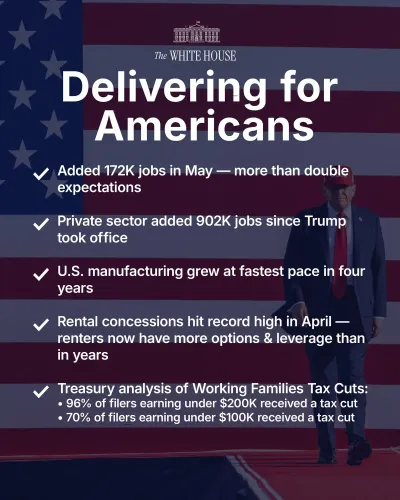
The White House on 9 July 2026 posted on X attributing a rise in U.S. investments and American jobs to the 'Trump Effect,' pointing to the administration's signature mix of tax cuts, deregulation, and trade renegotiation as the drivers of the trend.
Key Takeaways
The White House posted on 9 July 2026 claiming more investments and jobs in the U.S., branding the trend the 'Trump Effect.' The administration's economic policy rests on three pillars: the Tax Cuts and Jobs Act of 2017 , executive deregulation orders, and the USMCA trade agreement.
The 2017 corporate tax rate was cut from 35% to 21% to encourage domestic capital investment.
Key sectors cited in the onshoring narrative include automotive, energy, semiconductors, and technology supply chains, largely in competition with China .
Official verification of the claims will depend on upcoming Bureau of Labor Statistics and Bureau of Economic Analysis data releases.
Congressional action on 2017 tax provisions set to expire after 2025 remains a critical watch point for investors and policymakers.
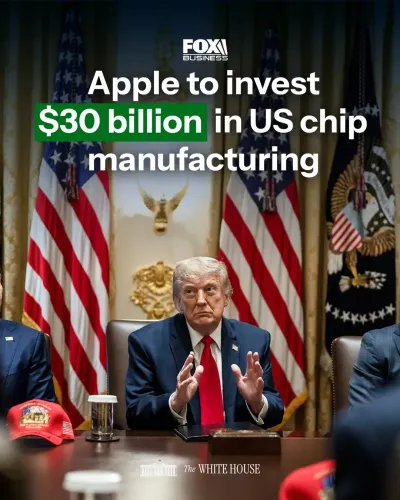
The White House, the official communications account of the Executive Office of the President of the United States, on Thursday, 9 July 2026, posted on X claiming that the current administration's policies are driving increased investments into the United States and generating more American jobs, attributing the trend to what it called the 'Trump Effect.'
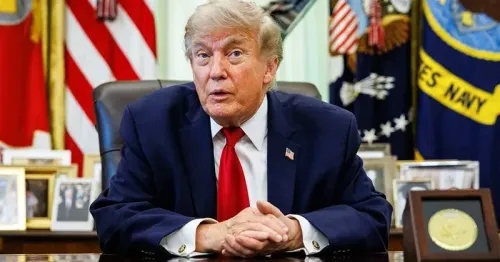
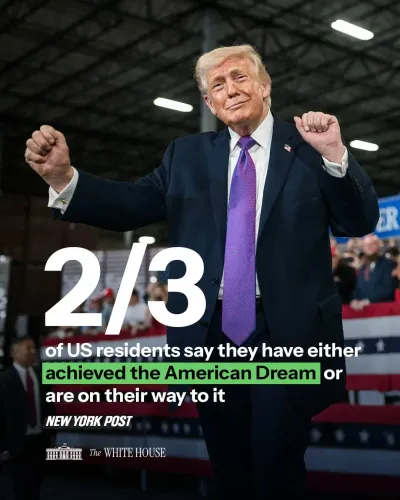
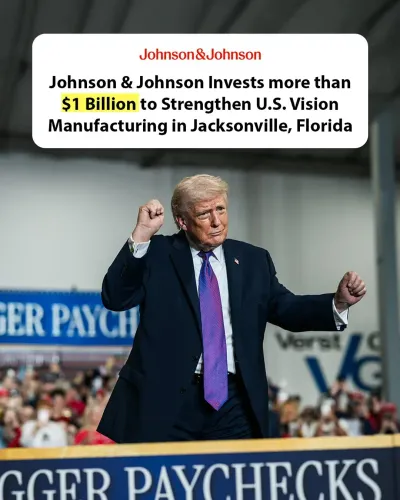
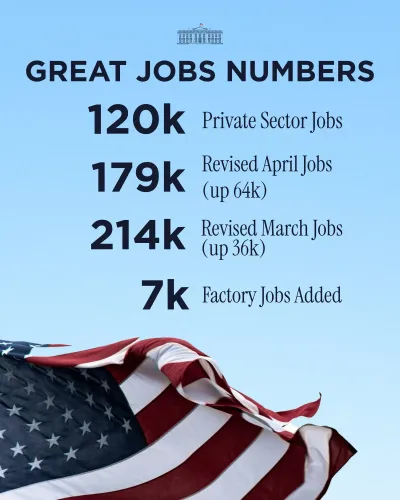
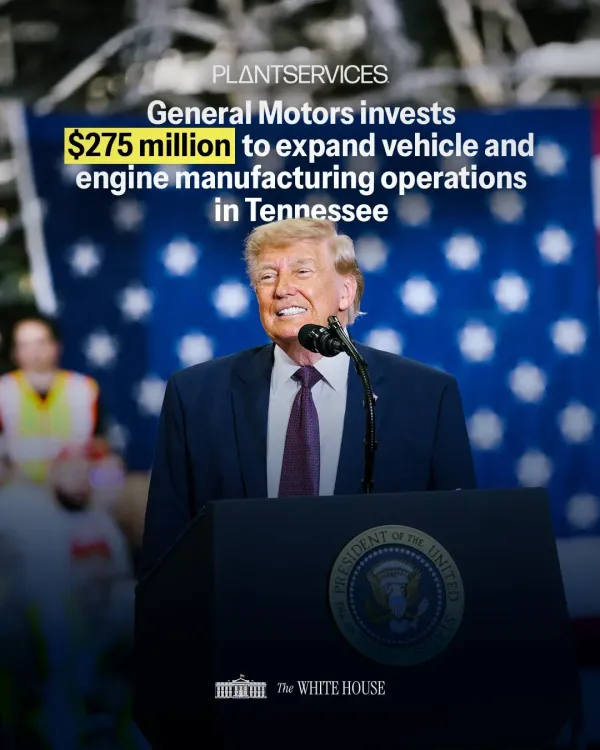
The post, brief but pointed, declared: 'MORE INVESTMENTS IN THE U.S. MORE AMERICAN JOBS. That's the Trump Effect!' The message was accompanied by an image and was framed as a victory lap for the administration's economic agenda.
Context
The phrase 'Trump Effect' has been a recurring motif in White House communications, used to link inbound corporate investment announcements and employment figures directly to the policy choices of President Donald Trump. The administration has consistently argued that its approach — centred on tax reduction, deregulation, and aggressive trade renegotiation — creates conditions that attract capital and retain jobs on American soil.
This messaging pattern was prominent during Trump's first term and has continued into the current period, with the White House regularly pairing such claims with references to company announcements of domestic expansions, particularly in automotive, energy, and technology supply chains.
Policy Backdrop
The policy architecture underpinning the 'Trump Effect' claim has several pillars. The Tax Cuts and Jobs Act of 2017 reduced the corporate tax rate from 35% to 21% and introduced immediate expensing provisions for equipment, measures designed to incentivise capital investment within the United States.
Alongside tax reform, executive orders issued between 2017 and 2020 directed federal agencies to review and roll back regulations across energy, manufacturing, and financial sectors. The United States-Mexico-Canada Agreement (USMCA), which replaced NAFTA and came into effect in 2020, updated automotive content rules and labour standards with the explicit goal of retaining North American manufacturing employment. Tariffs on steel, aluminium, and Chinese goods imposed during 2018 and 2019 were also presented as tools to protect and repatriate American industrial jobs.
Key provisions of the 2017 tax legislation were set to expire after 2025, making any congressional action on their extension a closely watched legislative development.
Stakeholders and Impact
The primary stakeholders in this narrative are American workers and U.S. manufacturers, the constituencies the administration most directly invokes when making the case for its economic programme. Industries at the centre of the onshoring argument include automotive assembly, semiconductor fabrication, energy production, and technology hardware supply chains — all sectors where competition with China has intensified the political salience of domestic job retention.
For global investors and multinational corporations, White House signals of this nature carry weight as indicators of the regulatory and tax environment they can expect. Countries with significant trade exposure to the United States, including India, monitor such communications for signals about tariff policy, market access, and the broader direction of American economic nationalism.
What's Next
Concrete validation of the administration's claims will come from official data releases, including monthly employment situation reports from the Bureau of Labor Statistics and quarterly GDP figures from the Bureau of Economic Analysis. These releases will either substantiate or complicate the 'Trump Effect' framing in the months ahead.
Congressional debate over extending or modifying the tax provisions from the 2017 legislation remains a live policy front. How lawmakers resolve those questions will shape the investment and employment landscape the White House continues to claim credit for.
Point of View
A framing that pre-empts any rival interpretation of the same numbers. For India and other trade-exposed economies, the signal is clear: Washington's economic nationalism remains the organising principle of U.S. policy, and corporate decisions to invest in America will continue to be claimed as political wins. The durability of this narrative depends heavily on whether official employment and GDP data corroborate the optimism — making the next few monthly reports unusually politically charged.
NationPress
9 Jul 2026
Frequently Asked Questions
What is the 'Trump Effect' the White House is referring to?
The 'Trump Effect' is a term used by the White House to attribute rising U.S. investments and job creation to President Trump's economic policies, including the 2017 tax cuts, deregulation, and trade deals like the USMCA.
What did the White House post on 9 July 2026?
The White House posted on X on 9 July 2026 claiming that U.S. investments and American jobs are increasing, crediting what it called the 'Trump Effect' for these economic trends.
How did the Tax Cuts and Jobs Act 2017 affect U.S. jobs and investment?
The Tax Cuts and Jobs Act of 2017 reduced the corporate tax rate from 35% to 21% and introduced immediate equipment expensing, measures intended to incentivise companies to invest and hire within the United States.
Why does the White House's economic messaging matter for India?
India, as a major trade partner with significant exposure to U.S. tariff and investment policy, closely watches White House economic signals. A U.S. focus on domestic manufacturing and onshoring can affect Indian exporters, IT firms, and bilateral trade negotiations.
How will the 'Trump Effect' claims be verified?
Official data from the Bureau of Labor Statistics on monthly employment and from the Bureau of Economic Analysis on quarterly GDP growth will be the primary benchmarks against which the administration's investment and jobs claims will be measured.