White House Says US Job Market Beats Forecasts Again
Synopsis
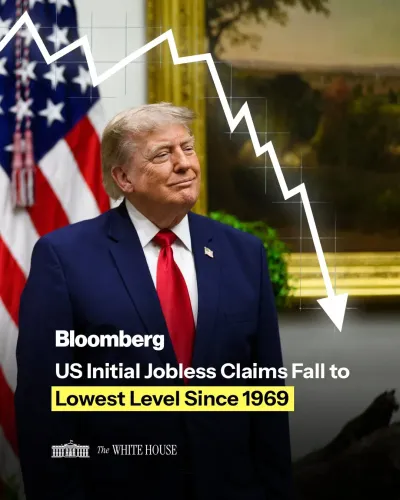
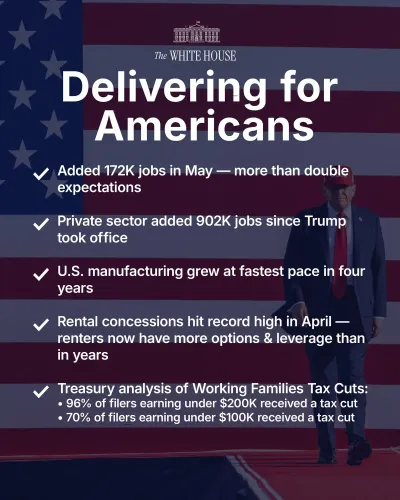
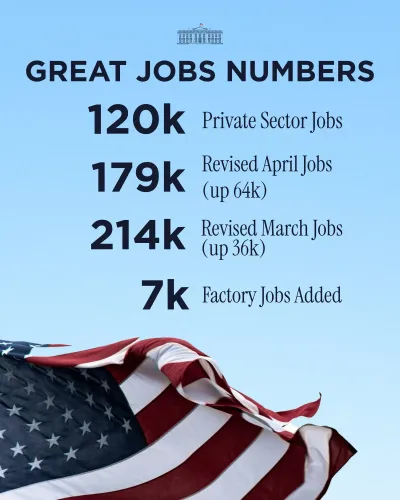
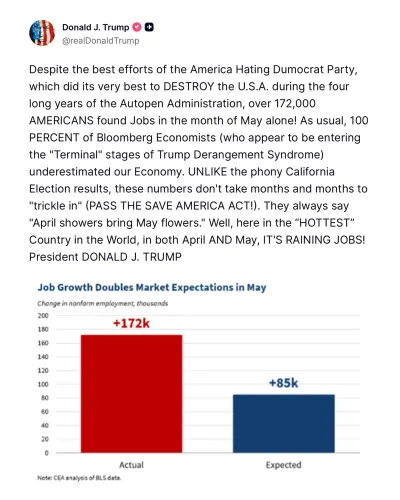
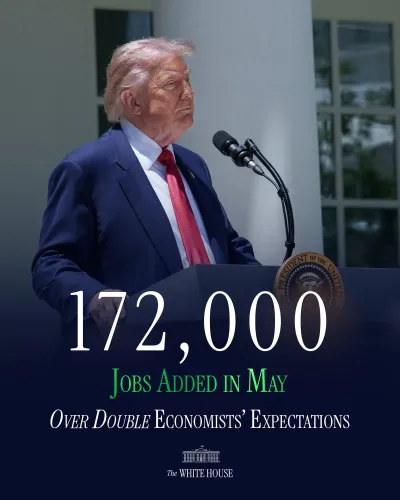
The White House declared on June 7, 2026, that the US job market beat analyst forecasts for yet another consecutive month, with the official account crediting President Trump's economic policies. The post, accompanied by a video, aligns with the administration's long-standing practice of using Bureau of Labor Statistics data to reinforce its economic messaging.
Key Takeaways
The White House posted on June 7, 2026 , claiming the US job market had beaten analyst expectations for another consecutive month.
The post credited President Donald Trump's policies and was accompanied by a video, suggesting a link to a recent Bureau of Labor Statistics release.
The Tax Cuts and Jobs Act of 2017 and deregulation have been the cornerstones of the Trump administration's jobs-growth narrative across both terms.
Using monthly BLS employment data for political messaging is a practice common to administrations of both parties.
Strong US labour market performance has indirect implications for India , affecting IT exports, remittances, and currency dynamics.
Upcoming BLS releases and congressional scrutiny of labour data revisions will test whether the outperformance trend holds through 2026 .
The White House, the official communications account of the Executive Office of the President of the United States, declared on Sunday, June 7, 2026, that the American job market had outperformed analyst expectations for another consecutive month, crediting President Donald Trump's economic policies for the result.
Context
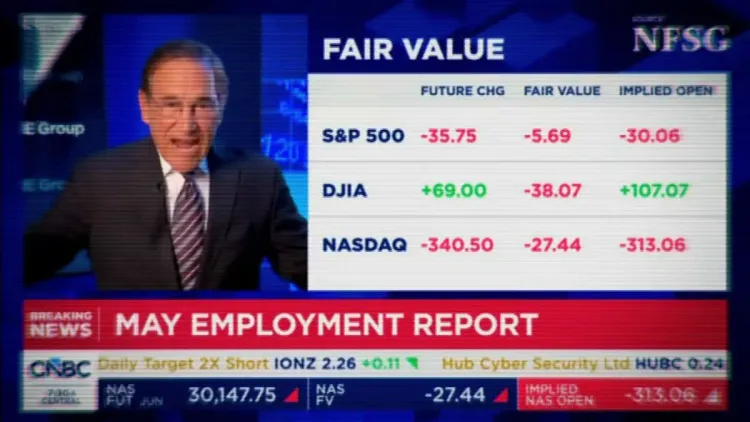
The post, published at 8:49 PM UTC on June 7, 2026, stated: 'Another month straight of the job market crushing expectations. When you doubt President Trump, you lose.' The message was accompanied by a video, suggesting the White House was amplifying a recent data release from the Bureau of Labor Statistics (BLS), which publishes its monthly Employment Situation report tracking nonfarm payrolls, unemployment rates, and wage trends.
The BLS report is the most closely watched labour market indicator in the United States, and administrations across party lines have historically cited it when figures exceed Wall Street consensus forecasts. The White House did not specify the exact jobs numbers in the post itself.
Policy Backdrop
The Trump administration's economic messaging has consistently linked job creation to its deregulation agenda and tax policy. During Trump's first term (2017-2021), the Tax Cuts and Jobs Act of 2017 reduced corporate tax rates with the stated objective of accelerating hiring and wage growth, and White House communications routinely highlighted consecutive months of payroll gains above analyst expectations.
Following Trump's re-election in 2024, the second-term administration has continued this pattern, framing strong labour data as validation of its economic approach. The practice of using monthly BLS releases for political messaging is a well-established feature of White House communications, regardless of which party holds office.
Stakeholders and Impact
American workers and private employers are the primary stakeholders in monthly jobs data. When payroll additions exceed forecasts, it typically signals stronger-than-expected business confidence and hiring activity, which can influence Federal Reserve deliberations on interest rates.
For Indian observers, US labour market strength carries indirect implications: a robust American economy tends to sustain demand for Indian IT services, software exports, and remittances from the large Indian-American workforce. Stronger US hiring figures can also affect global capital flows, influencing emerging-market currencies including the Indian rupee.
What's Next
Attention will now turn to the fine print of the underlying BLS release — specifically the headline nonfarm payroll number, the unemployment rate, and any revisions to prior months — to assess the durability of the trend the White House is highlighting. Congressional committees that oversee labour and economic policy may also examine whether the gains are broad-based across sectors or concentrated in specific industries.
Subsequent monthly BLS releases will determine whether the administration can sustain this messaging into the second half of 2026, a period that will carry significant weight as mid-term political positioning begins to take shape in Washington.
Point of View
You lose' — is a deliberate escalation of the administration's economic messaging ahead of what promises to be an intensely contested mid-term political cycle. By anchoring the claim to consecutive months of above-forecast job gains, the administration is building a cumulative narrative of policy vindication rather than relying on any single data point. This approach mirrors the first-term communications playbook but carries greater political stakes in the second term, where the administration has fewer structural excuses for underperformance. The broader arc points to a White House that views labour market data as its most potent electoral asset and intends to deploy it aggressively.
NationPress
20 Sept 2026
Frequently Asked Questions
What did the White House say about US jobs in June 2026?
The White House posted on June 7, 2026, that the US job market had beaten analyst forecasts for another consecutive month, crediting President Trump's economic policies.
Which agency releases the US monthly jobs report?
The Bureau of Labor Statistics (BLS) releases the monthly Employment Situation report, which tracks nonfarm payrolls, the unemployment rate, and wage growth.
How does the US jobs market affect India?
A strong US labour market sustains demand for Indian IT and software services, supports remittances from Indian-Americans, and influences global capital flows that affect the Indian rupee.
What is Trump's economic policy on job creation?
The Trump administration has centred its jobs strategy on deregulation and tax cuts, most notably the Tax Cuts and Jobs Act of 2017, which reduced corporate rates to incentivise hiring.
Why does the White House post about monthly jobs data?
Administrations routinely use BLS monthly releases for political messaging, particularly when figures exceed Wall Street consensus forecasts, as a way to validate their economic agenda.