Surat floods: Gujarat CM Bhupendra Patel reviews crisis after 358 mm rain
Synopsis
Surat received a staggering 358 mm of rain in just 24 hours, forcing Gujarat CM Bhupendra Patel to personally chair a crisis meeting at the Surat Municipal Corporation. With 7,386 residents rescued and the IMD warning of more rain ahead, the city's flood response is being tested at scale — and South Gujarat is not out of danger yet.
Key Takeaways
Gujarat CM Bhupendra Patel chaired a flood review meeting at the Surat Municipal Corporation on 9 July .
Surat received 358 mm of rainfall in the 24 hours ending Wednesday morning , triggering severe waterlogging.
7,386 residents were rescued or evacuated by NDRF , SDRF , and other agencies.
The meeting was attended by Union Jal Shakti Minister C.R.
Paatil , Deputy CM Harsh Sanghavi , and senior state ministers.
The India Meteorological Department has warned of further heavy rain in parts of South Gujarat .
Multiple rain-related deaths have been reported across the state, according to reports.
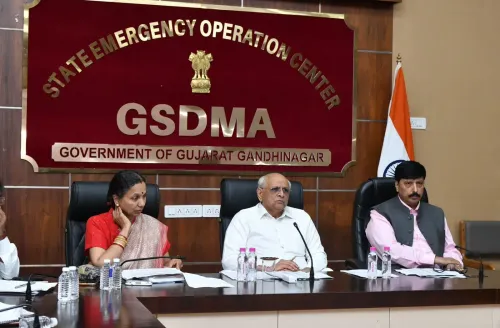
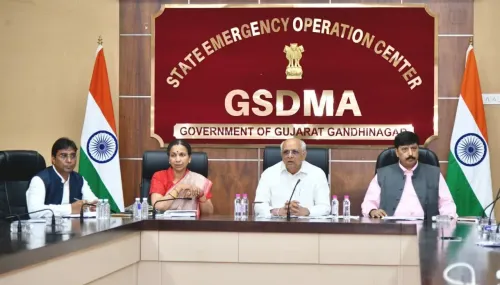
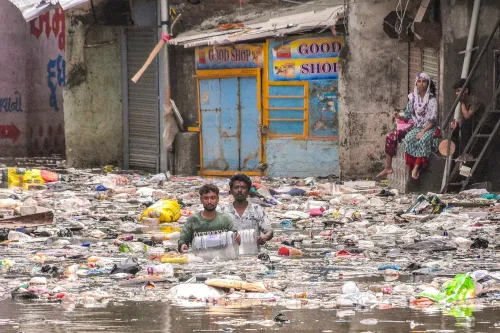
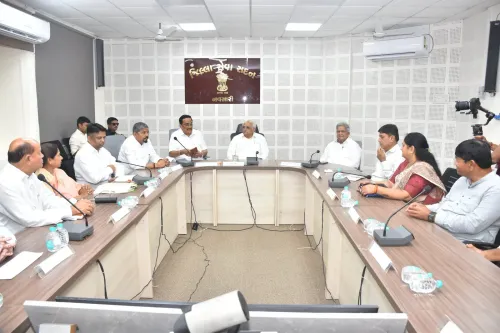
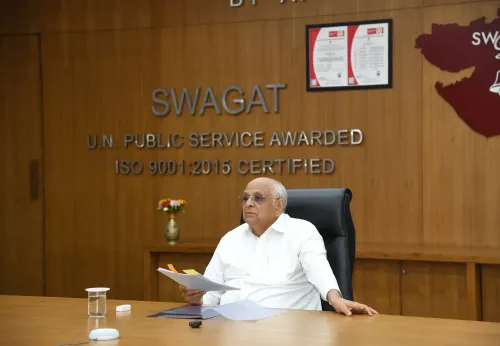
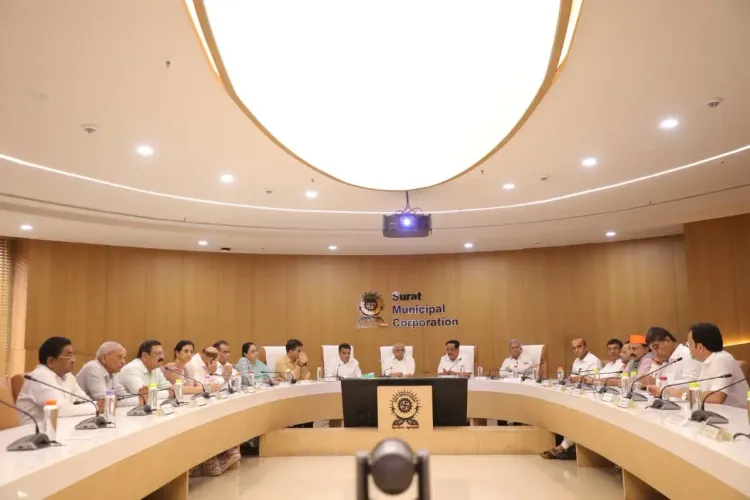
Gujarat Chief Minister Bhupendra Patel on Thursday, 9 July convened a high-level review meeting at the Surat Municipal Corporation office to assess the flood-like conditions gripping Surat, as relief and restoration operations continued across the city following days of relentless monsoon downpours. The meeting came after 358 mm of rainfall lashed Surat in the 24 hours ending Wednesday morning, triggering severe waterlogging and inundating large swathes of the city.
Senior Officials Gather for Crisis Review
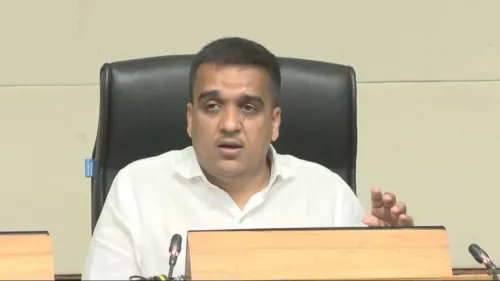
The review meeting was attended by Union Jal Shakti Minister C.R. Paatil, Deputy Chief Minister Harsh Sanghavi, State Finance Minister Kanu Desai, State Health Minister Praful Pansheriya, and other senior officials. In a post on social media platform X, Deputy Chief Minister Sanghavi stated: 'At the office of the Surat Municipal Corporation, in the presence of Chief Minister Bhupendra Patel and Union Minister C. R. Patil, a review meeting was held regarding the situation arising due to the rainfall.'
Scale of Flooding and Rescue Operations
The intensity of the rainfall pushed water levels dangerously high across low-lying residential and commercial zones. As of the latest official update, 7,386 residents had been shifted or rescued from inundated areas by teams from the National Disaster Response Force (NDRF), the State Disaster Response Force (SDRF), and associated agencies. Transport networks, markets, industrial zones, and residential neighbourhoods were all disrupted, with civic teams focusing on pumping out accumulated water and restoring essential services.
Rain Eases but Threat Persists
Although rainfall intensity eased by Thursday, floodwaters continued to affect multiple parts of the city. The India Meteorological Department (IMD) has warned of further heavy rain spells across parts of South Gujarat, prompting authorities to maintain heightened preparedness. Emergency teams remain deployed across affected zones as officials monitor evolving weather conditions. Notably, the heavy monsoon has also resulted in multiple rain-related deaths across the state, according to reports, though specific figures were not confirmed in official statements.
Relief and Restoration in Focus
Civic authorities are prioritising the pumping out of floodwater, restoration of power and water supply, and assistance to displaced residents. State authorities have been monitoring water levels in low-lying areas closely, with the Surat Municipal Corporation coordinating ground-level response. This comes amid a broader pattern of extreme monsoon events in Gujarat in recent years, with Surat — a densely populated commercial hub — particularly vulnerable to rapid urban flooding when rainfall crosses critical thresholds.
With the IMD forecast signalling continued risk, the administration is expected to keep relief infrastructure on standby as South Gujarat braces for further spells.
Point of View
A Union minister, and two state cabinet members assembling at a municipal office signal that this is not routine monsoon management — it is damage control at scale. Surat's vulnerability to flash flooding despite years of Smart City investments raises uncomfortable questions about urban drainage infrastructure. The 358 mm figure in 24 hours is extraordinary, but the city's inability to absorb even a fraction of that without mass evacuations points to a structural deficit. With the IMD flagging more rain, the administration's preparedness will be tested again — and the political cost of a second wave of disruption would be significant for the ruling dispensation in a commercially vital city.
NationPress
9 Oct 2026
Frequently Asked Questions
Why is Surat flooded in July 2025?
Surat received approximately 358 mm of rainfall in the 24 hours ending Wednesday morning, causing severe waterlogging and flood-like conditions across residential, commercial, and industrial zones. The exceptional rainfall intensity overwhelmed the city's drainage capacity, prompting large-scale rescue operations.
How many people were rescued in the Surat floods?
As per official updates, 7,386 residents were rescued or evacuated from inundated areas by teams from the National Disaster Response Force, State Disaster Response Force, and other agencies. Relief and restoration operations were ongoing as of Thursday.
Who attended the Surat flood review meeting on 9 July?
The review meeting at the Surat Municipal Corporation was chaired by Chief Minister Bhupendra Patel and attended by Union Jal Shakti Minister C.R. Paatil, Deputy Chief Minister Harsh Sanghavi, State Finance Minister Kanu Desai, State Health Minister Praful Pansheriya, and other senior officials.
What has the India Meteorological Department warned about Gujarat?
The IMD has warned of further heavy rain spells in parts of Gujarat, particularly South Gujarat, prompting state authorities to maintain high preparedness and keep emergency teams deployed across affected areas.
Have there been deaths due to the Surat floods?
The heavy monsoon rainfall has resulted in multiple rain-related deaths across Gujarat, according to reports. Specific figures were not confirmed in official statements, and authorities continue to monitor the situation.