CM Bhupendra Patel Reviews Flood Relief in Navsari, Valsad
Synopsis
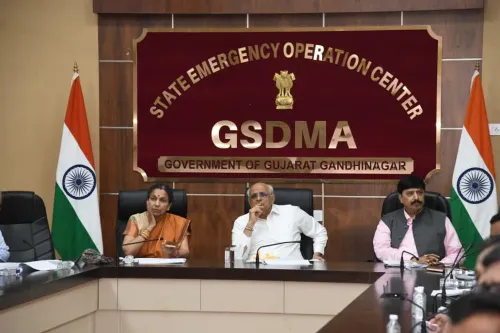
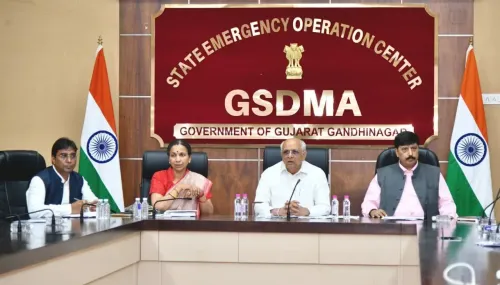
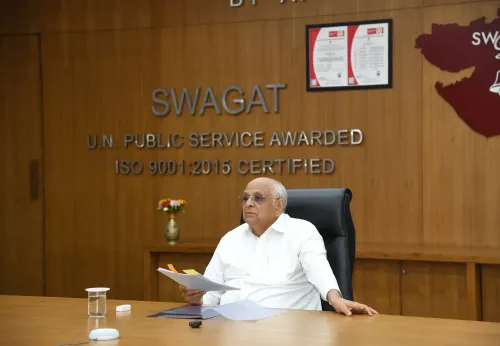
Gujarat Chief Minister Bhupendra Patel chaired a review meeting with district collectors, police superintendents, and legislators of Navsari and Valsad on 9 July 2026 to assess rescue and relief operations following heavy monsoon rains in southern Gujarat, issuing directions to officers to ensure citizen safety.
Key Takeaways
CM Bhupendra Patel held a review meeting on 9 July 2026 focused on flood rescue and relief in Navsari and Valsad districts.
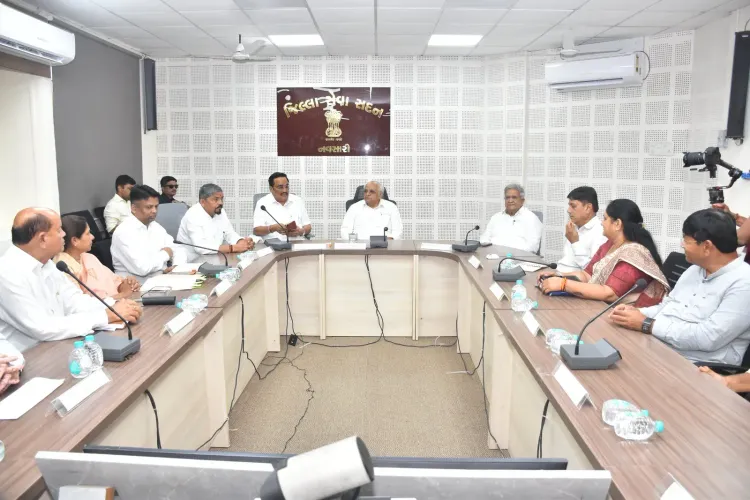
Participants included district collectors, superintendents of police, district development officers, MLAs, and local office-bearers.
The meeting was triggered by heavy rainfall causing an emergency situation in southern Gujarat .
The Chief Minister issued direct directions to officers on ensuring citizen safety and accelerating relief work.
Navsari and Valsad are identified as high-rainfall, flood-prone districts in Gujarat 's southern belt.
Further announcements on relief packages and central assistance may follow as damage assessments are completed.
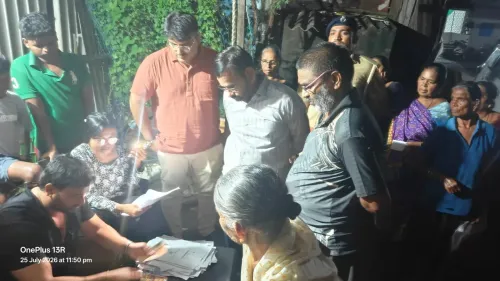
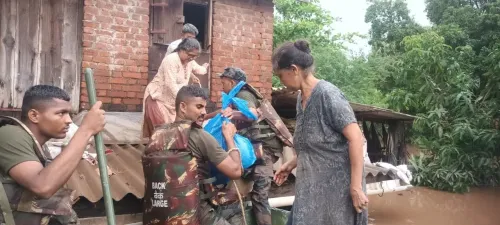
Gujarat Chief Minister Bhupendra Patel on Thursday, 9 July 2026, chaired a high-level review meeting with district collectors, superintendents of police, district development officers, legislators, and office-bearers of Navsari and Valsad districts to assess the rescue and relief operations underway in the wake of heavy rainfall that has struck southern Gujarat.
Context
Heavy monsoon rains have battered southern Gujarat in recent days, creating a flood-like situation in Navsari and Valsad — two districts that lie in a high-rainfall belt bordering Maharashtra. CM Patel convened the meeting to get a first-hand administrative account of conditions on the ground and to ensure coordinated relief delivery to affected citizens.
Posting on X, the Chief Minister stated — translated from Gujarati — that he 'reviewed the rescue and relief work being carried out by the administration in the situation arising due to recent heavy rains, and gave necessary directions to officers regarding ensuring citizen safety and relief operations.'
Policy Backdrop
Gujarat has maintained a standing practice of Chief Minister-level oversight during significant monsoon events. Direct review meetings with district collectors, police superintendents, and district development officers are a standard protocol that the state administration activates when rainfall crosses threshold levels in vulnerable zones.
Southern districts such as Navsari and Valsad are perennial hotspots during the monsoon season owing to their geography, river systems, and proximity to the Western Ghats catchment area. Administrative coordination between civil, police, and elected representatives at such meetings typically covers evacuation, shelter, food distribution, and infrastructure damage assessment.
Stakeholders and Impact
The primary stakeholders are the flood-affected residents of Navsari and Valsad districts, whose safety and access to relief supplies depend on the speed and reach of the district administration's response machinery. Legislators — Members of the Legislative Assembly — and local party office-bearers were included in the meeting, signalling an effort to bridge administrative and political channels for faster last-mile delivery.
District collectors and superintendents of police are the operational nodes for rescue coordination, while district development officers oversee relief material logistics. CM Patel's direct directions to these officers are intended to remove bottlenecks and accelerate on-ground response.
What's Next
Authorities are expected to continue monitoring rainfall levels across southern Gujarat as the monsoon season progresses. Announcements on relief package disbursal, compensation for crop or property damage, and potential requests for central assistance under national disaster response mechanisms could follow depending on the scale of damage assessed in the coming days.
The state government's responsiveness in the immediate aftermath of heavy-rain events will be closely watched by both affected communities and political observers as Gujarat navigates what could be a prolonged monsoon season in its southern districts.
Point of View
A pattern that blurs administrative and party machinery but can accelerate outreach. Southern Gujarat's recurring monsoon vulnerability makes these reviews a near-annual ritual, raising the longer-term question of whether structural flood-mitigation investments are keeping pace with the frequency of emergency responses. The meeting's outcome — in terms of actual relief disbursed and lives secured — will ultimately determine whether this intervention translates into tangible impact or remains a procedural checkpoint.
NationPress
8 Oct 2026
Frequently Asked Questions
Why did CM Bhupendra Patel hold a meeting on Navsari and Valsad floods?
CM Bhupendra Patel convened the meeting on 9 July 2026 to review rescue and relief operations in Navsari and Valsad after heavy monsoon rains created an emergency situation in southern Gujarat, and to issue directions to district officials to ensure citizen safety.
Which officials attended the Navsari-Valsad flood review meeting?
The meeting included district collectors, superintendents of police, district development officers, Members of the Legislative Assembly, and local party office-bearers from Navsari and Valsad districts.
Are Navsari and Valsad prone to flooding during monsoon?
Yes, Navsari and Valsad are located in southern Gujarat 's high-rainfall belt bordering Maharashtra and regularly experience waterlogging and flooding during the monsoon season.
What directions did CM Patel give to officers after the flood review?
CM Patel issued directions focused on ensuring the safety of citizens and expediting relief and rescue operations, though specific operational details were not disclosed publicly beyond the post.
Will Gujarat seek central government help for Navsari-Valsad flood relief?
Potential requests for central assistance under national disaster response mechanisms may follow once the state completes its damage assessment of the affected districts, though no such request has been announced yet.