CM Bhupendra Patel Reviews Flood Situation in South Gujarat
Synopsis
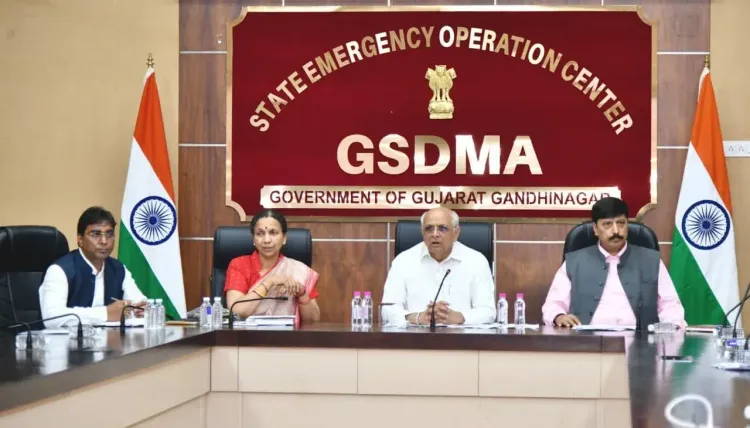
Chief Minister Bhupendra Patel visited the State Emergency Operation Centre in Gandhinagar on 23 July 2026 to review flood conditions caused by heavy rainfall in South Gujarat. He spoke directly with the Valsad minister and collectors of Valsad, Surat, and Navsari, directing evacuations and assuring additional NDRF deployment if required.
Key Takeaways
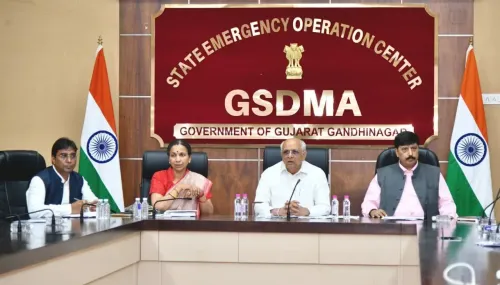
CM Bhupendra Patel visited the State Emergency Operation Centre, Gandhinagar on 23 July 2026 to review the South Gujarat flood situation.
He spoke by phone with Minister Nareshbhai Patel and the Valsad district collector to assess rescue and relief operations.
CM Patel assured deployment of additional NDRF teams to Valsad if the situation requires it.
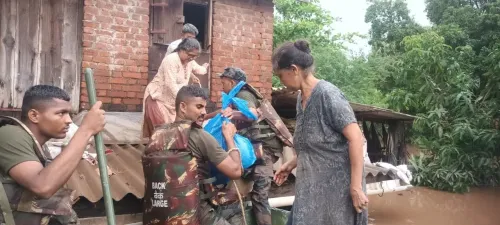
He separately directed the collectors of Surat and Navsari to evacuate residents from low-lying and waterlogged areas to safe locations.
The review reflects Gujarat's established practice of direct chief ministerial coordination with district administrations during monsoon emergencies.
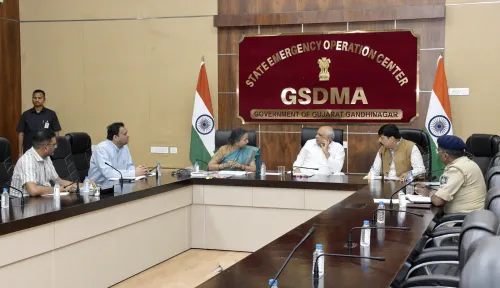
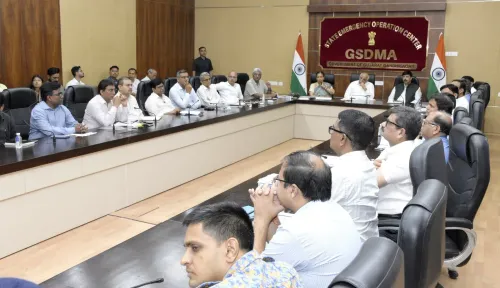
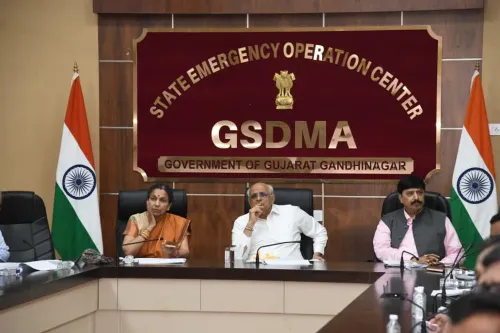
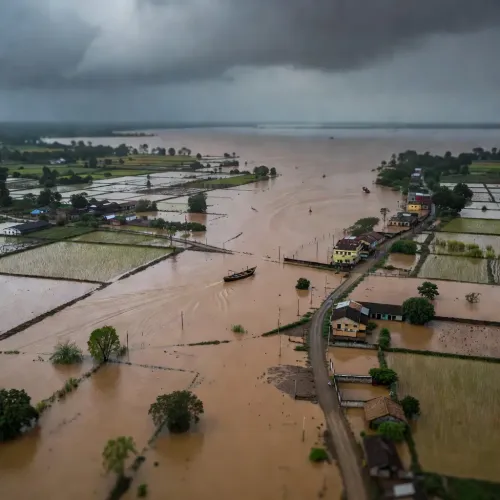
Chief Minister Bhupendra Patel visited the State Emergency Operation Centre in Gandhinagar on Thursday, 23 July 2026 to conduct a comprehensive review of the flood situation triggered by heavy rainfall, particularly in South Gujarat. The Chief Minister's Office of Gujarat announced that he personally spoke with district officials and a state minister to assess rescue and relief operations and assured deployment of additional NDRF teams if required.
What Happened
The Chief Minister's Office shared that CM Patel arrived at the State Emergency Operation Centre to obtain ground-level details — talsparshi vigato (in-depth information) — on the conditions arising from intense monsoon rainfall. His visit underscored the state government's direct engagement with the unfolding emergency rather than relying solely on administrative reports.
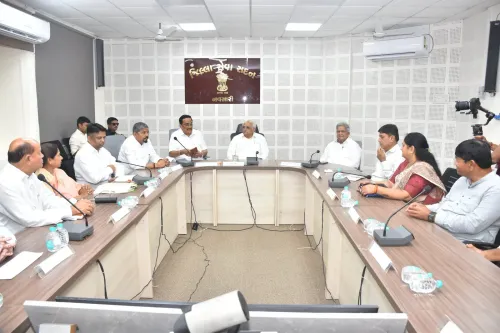
During the review, CM Patel spoke by phone with Minister Nareshbhai Patel and the Valsad district collector to gather specifics on rescue and relief work in the district. He assured them that additional NDRF teams would be dispatched to Valsad if the situation demanded it.
Context
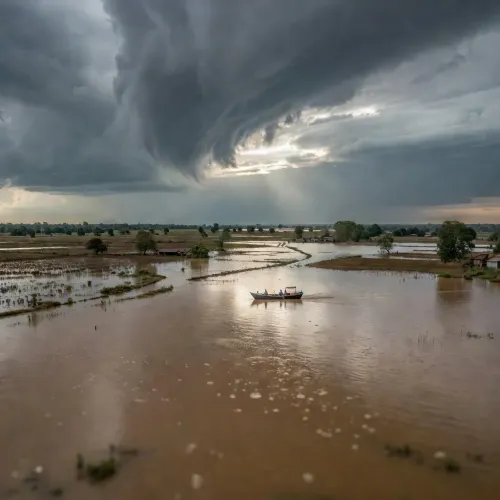
South Gujarat — comprising districts such as Valsad, Surat, and Navsari — is among the most flood-prone corridors in the state during the monsoon season. The region regularly receives intense rainfall that leads to waterlogging and localised flooding, displacing residents in low-lying areas.
Gujarat has maintained a State Disaster Management Authority and emergency operation centres since the mid-2000s, following the framework established under the Disaster Management Act, 2005. These centres serve as real-time coordination hubs linking the state secretariat, district administrations, and central forces.
Policy Backdrop
The National Disaster Response Force (NDRF) is India's specialised central agency for search, rescue, and relief during floods and other disasters. Under the national disaster management architecture, state governments can request additional NDRF teams from the centre when local capacity is stretched — a provision that CM Patel indicated was being kept ready for Valsad.
Chief ministerial-level reviews of district rescue operations reflect an established Gujarat practice of direct coordination between the state's top executive, district collectors, and central forces. This model gained prominence after the 2001 Bhuj earthquake and has been refined through successive monsoon seasons.
Stakeholders and Impact
Residents of low-lying and waterlogged areas in Surat and Navsari were directly addressed in the Chief Minister's instructions. CM Patel spoke separately with the collectors of both districts, directing them to move people from inundated localities to safe locations immediately.
District administrations in all three affected districts — Valsad, Surat, and Navsari — are now operating under heightened alert, coordinating evacuation logistics, shelter arrangements, and relief distribution in real time.
What's Next
The state government is monitoring rainfall trends closely, with the State Emergency Operation Centre expected to issue regular updates on water levels and relief progress. The assurance of additional NDRF teams for Valsad signals that authorities are prepared to scale up the response rapidly if conditions worsen.
Sustained heavy rainfall over South Gujarat in the coming days will determine whether further evacuations and central force deployments become necessary — a pattern that has defined monsoon management in the region for over two decades.
Point of View
And is positioning itself to respond swiftly. This pattern of visible chief ministerial engagement during monsoon crises also carries a political dimension: it projects administrative competence at a time when flood management is a key benchmark for state governance.
NationPress
21 Oct 2026
Frequently Asked Questions
Why did CM Bhupendra Patel visit the State Emergency Operation Centre?
CM Bhupendra Patel visited the State Emergency Operation Centre in Gandhinagar on 23 July 2026 to conduct a direct, in-depth review of the flood situation caused by heavy rainfall in South Gujarat, particularly in Valsad, Surat, and Navsari districts.
Which districts in South Gujarat are affected by the 2026 monsoon floods?
The districts of Valsad , Surat , and Navsari in South Gujarat are among the areas affected, with waterlogging and flooding prompting evacuation orders for residents in low-lying zones.
Will NDRF teams be sent to Valsad?
CM Patel assured that additional NDRF teams would be deployed to Valsad if the situation demands it, following his phone conversation with Minister Nareshbhai Patel and the district collector.
What instructions did the Gujarat CM give to Surat and Navsari collectors?
CM Bhupendra Patel instructed the collectors of Surat and Navsari to immediately shift residents from low-lying and waterlogged areas to safe locations as a precautionary measure.
What is the State Emergency Operation Centre in Gandhinagar?
The State Emergency Operation Centre in Gandhinagar is Gujarat's real-time coordination hub for disaster management, linking the state government with district administrations and central agencies like the NDRF during emergencies such as floods.