CM Bhupendra Patel Reviews Flood Situation, Deploys NDRF-SDRF to North Gujarat
Synopsis
Gujarat Chief Minister Bhupendra Patel reviewed the monsoon situation at the State Emergency Operation Centre on 25 July 2026, deploying NDRF and SDRF teams to Patan, Mehsana, Vav-Tharad and Banaskantha ahead of forecast heavy rain, while shifting focus to relief and compensation in south Gujarat where over 42,000 people have been evacuated.
Key Takeaways
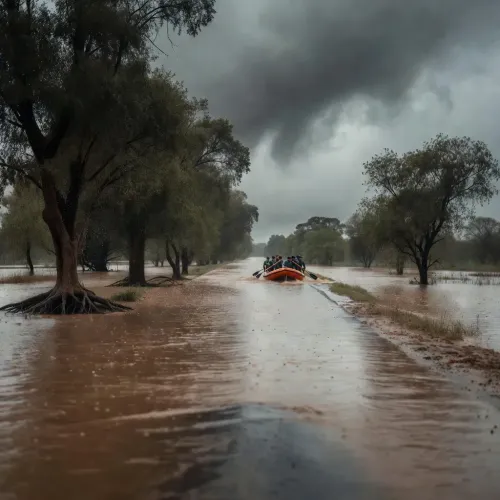
NDRF and SDRF teams have been deployed to Patan, Mehsana, Vav-Tharad and Banaskantha districts in north Gujarat ahead of forecast heavy rain in the next 24 hours .
Collectors of all four at-risk districts have been directed to remain on high alert .
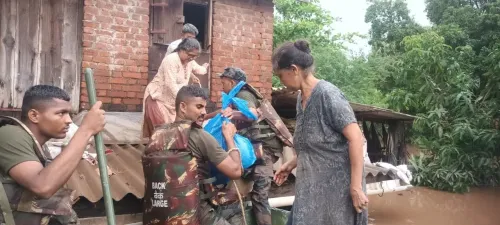
More than 42,000 people have been evacuated to safer locations across Gujarat so far.
Cash dole payments to flood-affected residents in south Gujarat have begun, with household goods assistance to follow shortly.
Officials in south Gujarat have been instructed to initiate clean-up, health measures and damage surveys as floodwaters recede.
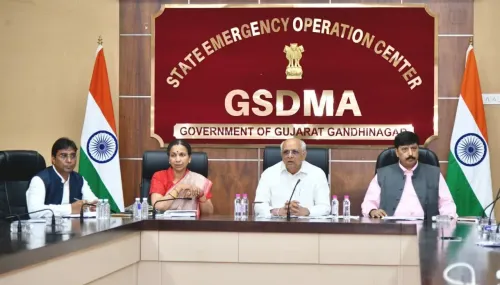
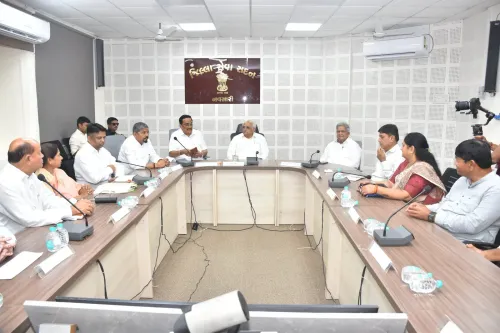
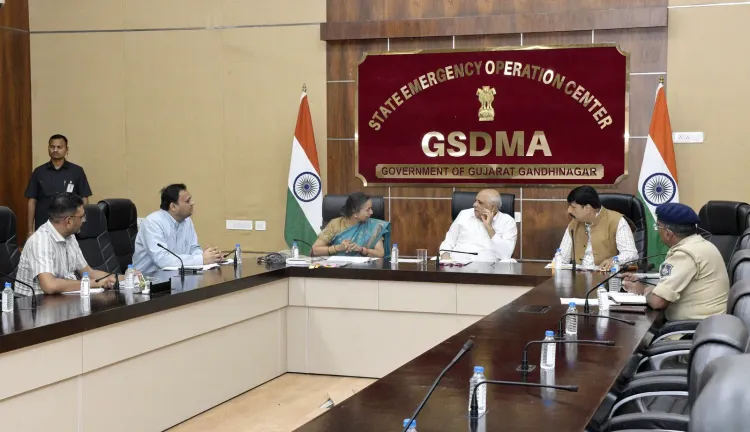
CM Bhupendra Patel personally visited the State Emergency Operation Centre on 25 July 2026 to oversee the coordinated response.
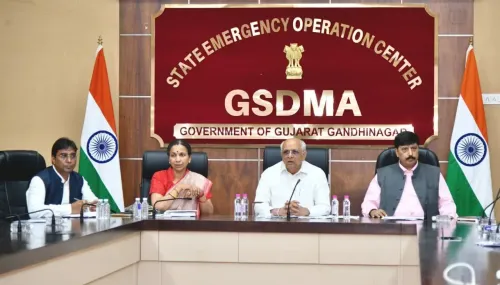
Gujarat Chief Minister Bhupendra Patel visited the State Emergency Operation Centre on the evening of Saturday, 25 July 2026 to review the rain situation across the state, directing deployment of NDRF and SDRF teams to four northern districts facing the threat of widespread heavy rainfall in the next 24 hours.
Context
Posting on X in Gujarati, CM Patel stated that "આગામી 24 કલાકમાં ઉત્તર ગુજરાતના પાટણ, મહેસાણા, વાવ-થરાદ અને બનાસકાંઠા જિલ્લાઓમાં સાર્વત્રિક વ્યાપક વરસાદની સંભાવનાઓ છે" — ['In the next 24 hours, there is a likelihood of widespread heavy rainfall in the north Gujarat districts of Patan, Mehsana, Vav-Tharad and Banaskantha']. In response, NDRF and SDRF teams have been dispatched to assist local administration in those districts. Collectors of all four districts have been issued directives to remain on high alert.
Simultaneously, the Chief Minister noted that rainfall intensity has eased in south Gujarat, allowing the administration to shift focus from active rescue to relief and rehabilitation operations.
Policy Backdrop
The coordinated deployment of NDRF and SDRF reflects the framework established under the Disaster Management Act, 2005, which created the National Disaster Management Authority and mandated specialist response forces at both central and state levels. Gujarat significantly strengthened its own disaster management architecture after the devastating 2001 Bhuj earthquake, integrating early warning systems and pre-positioned response teams for recurring monsoon emergencies.
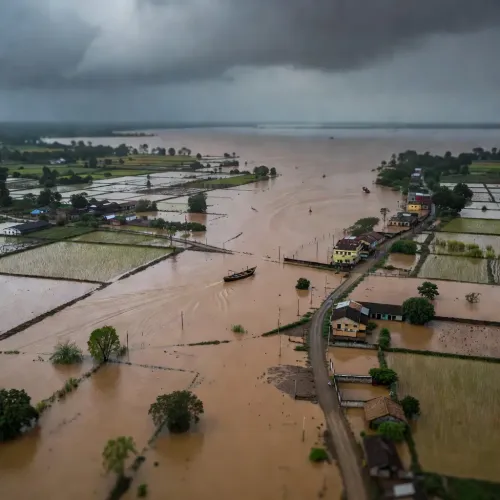
Northern districts such as Banaskantha, Patan, and Mehsana are historically vulnerable to monsoon flooding, and the state's practice of deploying NDRF-SDRF units ahead of forecast rainfall events has become a standard protocol in recent years.
Stakeholders and Impact
Across the state, more than 42,000 people have been evacuated to safer locations so far, according to the Chief Minister's post. In southern Gujarat districts where floodwaters are receding, cash dole payments to affected residents have already begun, and household goods assistance is set to be disbursed swiftly. Officials have also been instructed to initiate clean-up drives, health measures, and damage surveys as soon as water levels drop.
The phased transition — from evacuation and rescue to sanitation, health response, and financial compensation — directly affects flood-hit families awaiting restoration of livelihoods and homes.
What's Next
The immediate priority is monitoring the 24-hour rainfall forecast for Patan, Mehsana, Vav-Tharad, and Banaskantha and ensuring NDRF-SDRF teams are positioned before conditions worsen. In southern Gujarat, the pace of cash disbursements and the rollout of household damage compensation will be closely watched by affected communities. Post-flood public health surveillance — covering waterborne disease prevention and sanitation — will be a critical follow-through measure as the state moves from emergency response to recovery.
Point of View
Delays in compensation have been a point of public criticism, and early public commitment to speed suggests the government is sensitive to that pressure. How quickly disbursements reach the most affected households will ultimately determine whether the operational narrative holds.
NationPress
25 Oct 2026
Frequently Asked Questions
Which districts in Gujarat are on flood alert as of 25 July 2026?
Patan, Mehsana, Vav-Tharad and Banaskantha in north Gujarat have been placed on high alert, with NDRF and SDRF teams deployed there ahead of forecast widespread heavy rain in the next 24 hours.
How many people have been evacuated in Gujarat floods so far?
According to CM Bhupendra Patel's post on 25 July 2026, more than 42,000 people have been evacuated to safer locations across Gujarat.
What is the NDRF and why is it deployed in Gujarat?
The National Disaster Response Force (NDRF) is a central specialist force established under the Disaster Management Act 2005 to respond to natural disasters. It has been deployed alongside Gujarat's own SDRF to support local administration in flood-prone northern districts.
What relief is being provided to flood-affected people in south Gujarat?
Cash dole payments have begun for affected residents in south Gujarat where rainfall has eased. Household goods assistance is also set to be disbursed soon, and officials have been told to conduct damage surveys and health measures once floodwaters recede.
What is the State Emergency Operation Centre in Gujarat?
The State Emergency Operation Centre is Gujarat's central facility for monitoring emergencies and coordinating disaster response, including real-time tracking of rainfall, evacuations and deployment of relief teams.