CM Bhupendra Patel Speaks to Amit Shah on Gujarat Flood Relief
Synopsis
Gujarat Chief Minister Bhupendra Patel spoke with Union Home Minister Amit Shah on 23 July 2026 amid heavy rainfall, securing central assurance of full support. The state machinery is engaged in rescue, evacuation, and livestock protection as citizen safety remains the government's top priority.
Key Takeaways
CM Bhupendra Patel personally called Union Home Minister Amit Shah on 23 July 2026 to discuss flood relief in Gujarat .
Amit Shah assured Gujarat of all necessary central assistance to handle the heavy-rainfall crisis.
State machinery is working round-the-clock on evacuation, shelter, and protection of lives, property, and livestock.
The coordination follows the framework established under the Disaster Management Act, 2005 , enabling NDRF deployment and central funding.
Possible deployment of additional NDRF battalions and damage assessments that could trigger central financial packages are being watched.
The Chief Minister stated that 'protection of citizens is the government's topmost priority.'
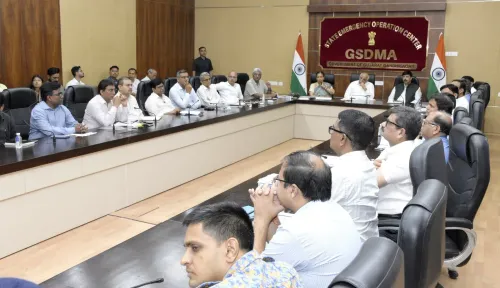
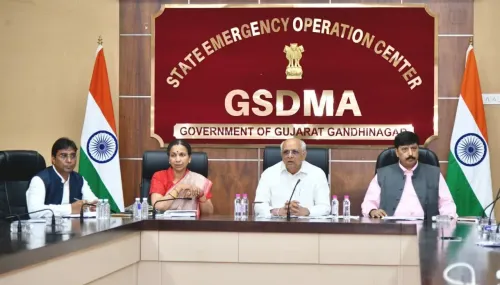
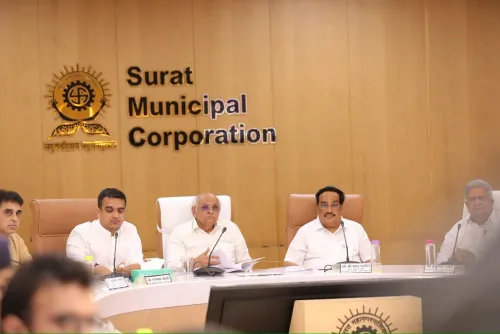
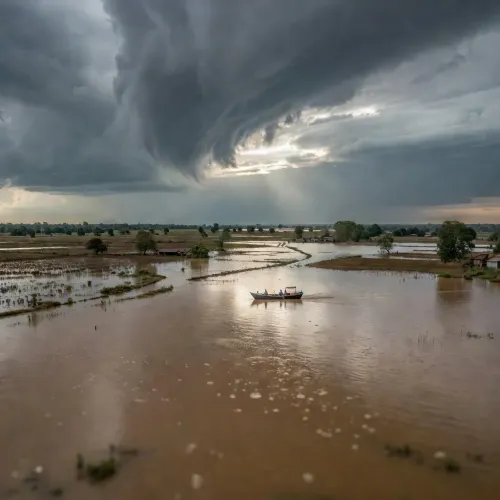
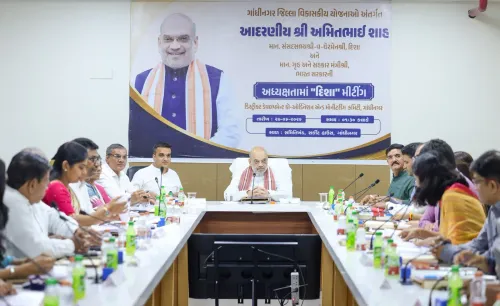
Gujarat Chief Minister Bhupendra Patel on Thursday, 23 July 2026, spoke with Union Home and Cooperation Minister Amit Shah regarding the safety of citizens and ongoing relief and rescue operations amid heavy rainfall across the state. Shah assured Gujarat of all necessary central assistance to tackle the situation.
Context
CM Patel posted on X in Gujarati, stating: 'રાજ્યમાં અતિભારે વરસાદની સ્થિતિ' ('a situation of extremely heavy rainfall in the state'), and confirmed he had personally spoken with the Union Home Minister to coordinate the response. The post tagged Amit Shah directly, signalling a high-level engagement between the state and the Centre. The Chief Minister underlined that 'the protection of citizens is the government's topmost priority.'
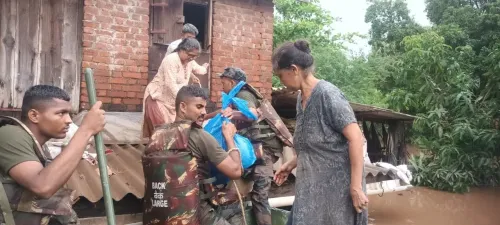
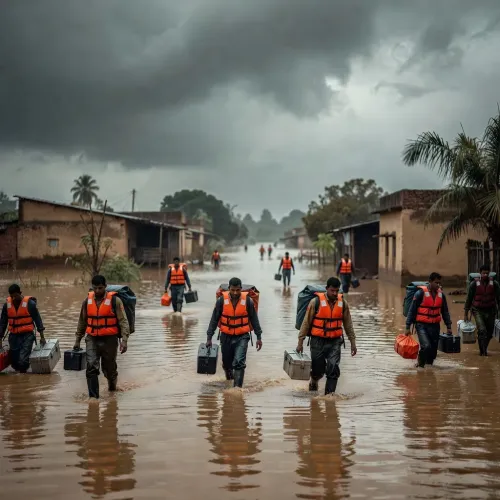
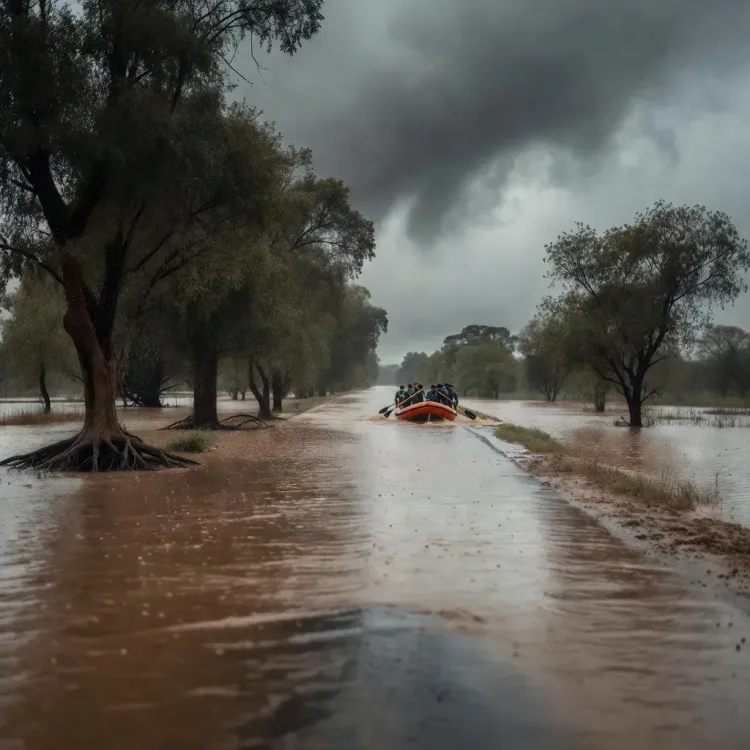
The administration, he said, is working round-the-clock on protecting lives and property, evacuating people to safe locations, providing shelter, and safeguarding livestock.
Policy Backdrop
Under the Disaster Management Act, 2005, state governments may formally request central assistance from the Ministry of Home Affairs during natural calamities. This framework enables the deployment of National Disaster Response Force (NDRF) teams and the release of funds from the National Disaster Response Fund (NDRF) to affected states.
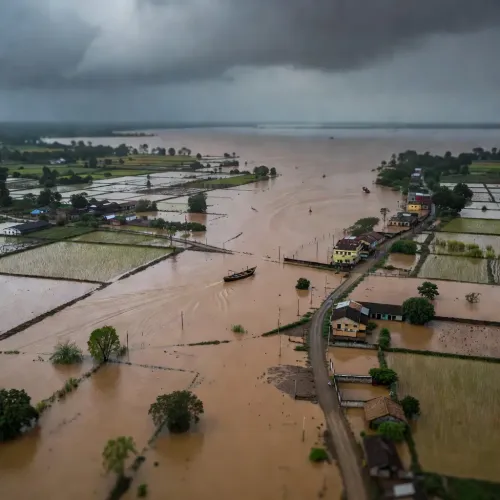
Gujarat, a western coastal state, is periodically impacted by intense southwest monsoon rainfall. The state has engaged the Union Home Ministry for similar heavy-rain events in previous years, making this coordination part of an established federal disaster management pattern.
Stakeholders and Impact
The most directly affected are flood-hit citizens across Gujarat, including those requiring evacuation to relief shelters. Livestock owners in rural and semi-urban areas are also a specific concern, with the Chief Minister explicitly mentioning protection of livestock (pashudhan) as a priority alongside human safety.
State relief agencies, district administrations, and central forces are the key operational actors. The assurance from Shah opens the door for additional NDRF battalions, logistical support, and potential central financial packages, depending on the scale of damage assessed in the coming days.
What's Next
Authorities are expected to conduct damage assessments as the monsoon situation evolves, which could trigger formal requests for central financial aid. The possible deployment of additional NDRF teams remains on the table, subject to ground-level requirements reported by district officials.
With the Centre's assurance now on record, the focus shifts to the pace of evacuation, adequacy of relief shelters, and the state's capacity to manage a prolonged heavy-rainfall spell through the peak monsoon weeks ahead.
Point of View
Bypassing slower bureaucratic channels. Publicly tagging Shah on X also serves a communicative function — signalling to citizens that the highest levels of government are engaged. This pattern of visible, real-time political communication during disasters has become a standard feature of the current administration's crisis optics. The test, as always, will be in the speed and adequacy of the on-ground response in the days ahead.
NationPress
21 Oct 2026
Frequently Asked Questions
Why did Gujarat CM Bhupendra Patel call Amit Shah?
CM Bhupendra Patel called Union Home Minister Amit Shah on 23 July 2026 to discuss citizen safety, relief, and rescue operations amid heavy rainfall in Gujarat , and to secure central government support.
What assurance did Amit Shah give to Gujarat?
Amit Shah assured Gujarat of all necessary central assistance to deal with the heavy-rainfall situation, as stated by CM Bhupendra Patel in his post on X.
What is the government doing for flood-affected people in Gujarat?
The state administration is engaged in rescue operations, evacuating citizens to safe locations, providing shelter, and protecting livestock, with CM Patel stating that citizen safety is the government's topmost priority.
Can the Centre send NDRF teams to Gujarat for floods?
Yes. Under the Disaster Management Act, 2005 , the Union Home Ministry can deploy NDRF teams and release funds from the National Disaster Response Fund to states facing natural calamities like flooding.
Is Gujarat frequently affected by monsoon flooding?
Gujarat , a western coastal state, is periodically impacted by intense southwest monsoon rainfall and has sought central assistance from the Union Home Ministry during similar heavy-rain events in past years.