Bihar CM Flags Flood-Control Project to Boost Farm Output

Synopsis
The Chief Minister's Office of Bihar announced on 19 July 2026 that a new infrastructure project will strengthen flood management and irrigation systems, raise agricultural productivity, generate employment, and drive overall regional development — reinforcing the state's long-standing twin-track approach to river-basin governance.
Key Takeaways
The Chief Minister's Office of Bihar shared the Chief Minister's remarks on 19 July 2026 regarding a new infrastructure project.
The project is designed to make flood management more effective while simultaneously strengthening the state's irrigation system .
The Chief Minister stated the initiative will increase agricultural productivity for farmers across the targeted region.
New employment opportunities are expected to be generated as part of the project's broader development impact.
Bihar has pursued integrated flood-control and irrigation upgrades as a core development strategy since the Kosi floods of 2008 .
State budget allocations and tender announcements for the project's components are expected to follow in the coming months.
The Chief Minister's Office of Bihar shared remarks by the Chief Minister on Sunday, 19 July 2026, outlining the anticipated benefits of an infrastructure project aimed at strengthening flood management and irrigation systems across the state. The statement underscores the Bihar government's continued focus on river-basin development as a lever for agricultural and economic growth.
Context
The Chief Minister stated, in translation: 'Yah pariyojana baadh prabandhan ko adhik prabhavi banane ke saath-saath sinchai vyavastha ko nayi mazbooti pradaan karegi' — 'This project will make flood management more effective while also providing new strength to the irrigation system.' He added that the initiative would raise agricultural productivity among farmers, generate new employment opportunities, and accelerate the overall development of the region.
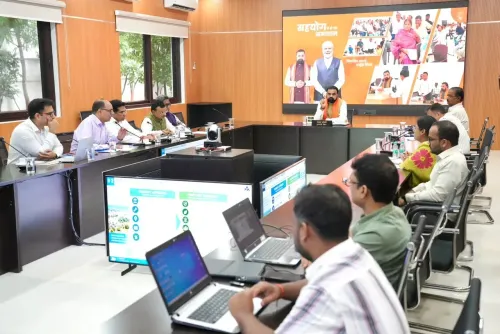
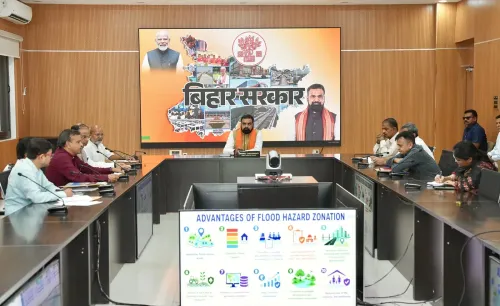
The remarks were accompanied by two images shared on the official account, suggesting a site visit, project review, or formal inauguration context, though the specific project name was not stated in the post.
Policy Backdrop
Bihar is one of India's most flood-vulnerable states, with rivers originating in the Himalayas — including the Ganga, Kosi, Gandak, and Bagmati — inundating large swathes of agricultural land nearly every monsoon season. The catastrophic Kosi floods of 2008 marked a turning point, prompting successive state administrations to integrate embankment reinforcement with irrigation expansion as a twin-track development strategy.
Linking flood control with irrigation upgrades has been a consistent feature of Bihar's infrastructure planning, recognising that the same river systems that cause destruction during the monsoon can serve as a resource for year-round farming if properly managed. State budgets over the past decade have repeatedly allocated funds toward this dual objective across flood-prone districts in the Ganga basin.
Stakeholders and Impact
Bihar's farming communities stand as the primary beneficiaries of any such project. Agriculture remains the dominant livelihood across the state's rural districts, and recurring flood damage to crops and soil represents a significant drag on household incomes and overall agricultural output.
Beyond farmers, the Chief Minister's statement specifically highlighted employment generation as an expected outcome — a signal that the project encompasses construction and allied activities likely to absorb local labour. Rural communities in flood-prone districts, which have historically suffered both crop loss and displacement during high-water events, are positioned as the broader target group for the project's development dividend.
What's Next
Formal tender announcements and state budget allocations for the project's component works will be closely watched in the coming months as indicators of implementation timelines. Any coordination statements from central ministries overseeing shared river basins — particularly under national flood management or irrigation programmes — would further clarify the project's scale and funding structure.
If the project delivers on its stated objectives, it could serve as a template for Bihar's approach to climate-adaptive infrastructure: using flood-control investments not merely as disaster mitigation but as a foundation for sustained agricultural productivity and rural employment in one of India's most economically challenged states.
Point of View
An irrigation upgrade, an agricultural productivity booster, and an employment generator — reflects a well-established political playbook in the state: packaging river-management spending as an all-in-one rural development intervention. This approach allows the administration to speak to multiple constituencies at once, from distressed farmers to unemployed youth in flood-prone districts. The emphasis on employment creation also suggests an awareness that infrastructure announcements in Bihar carry heightened political weight ahead of any electoral cycle. Whether the project's execution matches the breadth of its stated ambitions will depend on the pace of central-state coordination on shared river basins and the robustness of implementation oversight.
NationPress
18 Oct 2026
Frequently Asked Questions
What did the Bihar Chief Minister announce on 19 July 2026?
The Bihar Chief Minister stated that a new infrastructure project would strengthen flood management and irrigation systems in the state, boost agricultural productivity for farmers, create new employment opportunities, and accelerate overall regional development.
How does this project help Bihar farmers?
The project is expected to improve irrigation access and reduce flood damage to crops, which would directly raise agricultural productivity and stabilise incomes for farming communities in flood-prone districts of Bihar.
Why is flood management so important for Bihar?
Bihar is one of India's most flood-vulnerable states, with major Himalayan rivers including the Ganga, Kosi, Gandak, and Bagmati regularly inundating agricultural land during the monsoon, causing significant crop loss and displacement every year.
What is Bihar's history with flood-control and irrigation projects?
Since the devastating Kosi floods of 2008, successive Bihar governments have pursued a twin-track strategy of embankment strengthening and irrigation expansion, treating river-basin management as a core pillar of the state's development agenda.
Will this Bihar project create jobs?
Yes, the Chief Minister specifically cited employment generation as one of the project's expected outcomes, indicating that construction and allied activities are likely to provide work for local labour in the affected region.