India expands LNG import sources from 6 to 15 countries amid West Asia crisis
Synopsis
India has more than doubled its LNG supplier base — from 6 to 15 countries — and expanded crude oil sourcing to 41 nations, Parliament learned on 10 August. With over 85% of crude imported and West Asia in turmoil, the scale of this diversification signals that India is treating energy resilience as a core strategic priority, not just a procurement footnote.
Key Takeaways
India's LNG import sources have expanded from 6 to 15 countries , as disclosed in Rajya Sabha on 10 August .
Crude oil sourcing has widened from 27 to 41 countries , according to Minister of State Suresh Gopi .
India imports over 85% of its crude oil requirement, making supply diversification a strategic necessity.
ISPRL operates three strategic petroleum reserve facilities with a combined capacity of 5.33 MMT in Andhra Pradesh and Karnataka .
Two additional reserve facilities totalling 6.5 MMT — at Chandikhol, Odisha and Padur, Karnataka — were approved in July 2021 .
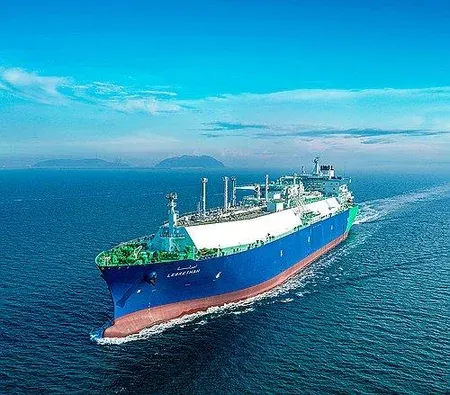
India has more than doubled its sources for liquefied natural gas (LNG) imports — from 6 countries to 15 countries — to shield its energy supply chain from disruptions linked to the ongoing West Asia crisis, Parliament was informed on Monday, 10 August. The expansion is part of a broader energy diversification drive that has also seen crude oil sourcing widen from 27 to 41 countries.
Key Developments in Parliament
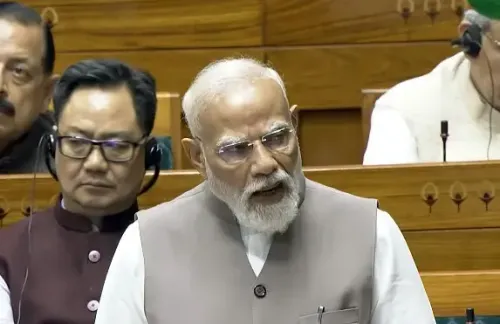
Minister of State for Petroleum and Natural Gas Suresh Gopi disclosed the figures in a written reply to a question in the Rajya Sabha. He stated that the diversification has 'reduced dependence on any particular country, region or transit route and enhanced India's ability to manage supply disruptions and market volatility.'
The minister also confirmed that energy supply risks are regularly monitored and global market conditions assessed in coordination with public-sector oil and gas companies and other stakeholders.
Why This Matters for India's Energy Security
India imports over 85 per cent of its crude oil requirement, making supply-chain resilience a strategic imperative. With geopolitical tensions in West Asia keeping global energy markets highly volatile, access to a wider supplier base directly reduces the risk of sudden price spikes or delivery shortfalls.
Notably, this is not merely a reactive measure — the government has been systematically expanding its energy partnerships over several years, and the West Asia crisis has accelerated that timeline.
Strategic Petroleum Reserves: Building a Buffer
Indian Strategic Petroleum Reserves Ltd (ISPRL) has established three strategic petroleum reserve facilities with a combined capacity of 5.33 million metric tonnes (MMT) at coastal sites in Andhra Pradesh and Karnataka. These reserves serve a dual purpose: acting as a buffer during supply disruptions and providing relief to public-sector refineries when crude prices spike sharply in global markets.
Beyond existing infrastructure, the government has approved two additional commercial-cum-strategic petroleum reserve facilities with a combined capacity of 6.5 MMT — at Chandikhol in Odisha and Padur in Karnataka. Both projects were approved in July 2021.
What the Government Said
The government reiterated its commitment to ensuring the uninterrupted availability of crude oil, LNG, and petroleum products. Officials indicated that measures are taken as required, with ongoing coordination between the Ministry of Petroleum and Natural Gas and public-sector energy companies.
This comes amid a period when global energy supply chains remain under pressure from multiple geopolitical flashpoints, making India's multi-source strategy increasingly central to its energy policy framework. As reserve capacity expands and supplier networks deepen, India's ability to absorb external shocks is set to strengthen further.
Point of View
Not a routine procurement update. But the real test is whether India has secured long-term supply agreements or is merely accessing spot markets from more counterparties — the two are very different risk profiles. The strategic reserve capacity of 5.33 MMT covers only about 9-10 days of consumption at current import levels, which remains thin by global benchmarks. The approved 6.5 MMT expansion, approved in 2021, has moved slowly; the pace of execution on those facilities will matter far more than the headline diversification numbers.
NationPress
24 Sept 2026
Frequently Asked Questions
How many countries does India now import LNG from?
India currently imports LNG from 15 countries , up from 6 previously. The expansion was disclosed by Minister of State for Petroleum and Natural Gas Suresh Gopi in a written reply in the Rajya Sabha on 10 August .
Why has India diversified its energy imports?
India has diversified its LNG and crude oil sources primarily to reduce dependence on any single country or transit route and to protect supply chains from disruptions caused by the West Asia crisis . With over 85% of its crude oil imported, India is highly exposed to geopolitical volatility in key producing regions.
What is India's strategic petroleum reserve capacity?
ISPRL currently operates three strategic petroleum reserve facilities with a combined capacity of 5.33 MMT , located at coastal sites in Andhra Pradesh and Karnataka . Two additional facilities totalling 6.5 MMT have been approved at Chandikhol in Odisha and Padur in Karnataka .
From how many countries does India import crude oil?
India now imports crude oil from 41 countries , compared with 27 earlier. The expansion is part of the government's broader energy security strategy to reduce reliance on any single region or supply corridor.
When were the new strategic petroleum reserve projects approved?
The two additional commercial-cum-strategic petroleum reserve facilities at Chandikhol, Odisha and Padur, Karnataka were approved in July 2021 . Together they will add 6.5 MMT of storage capacity to India's existing reserves.