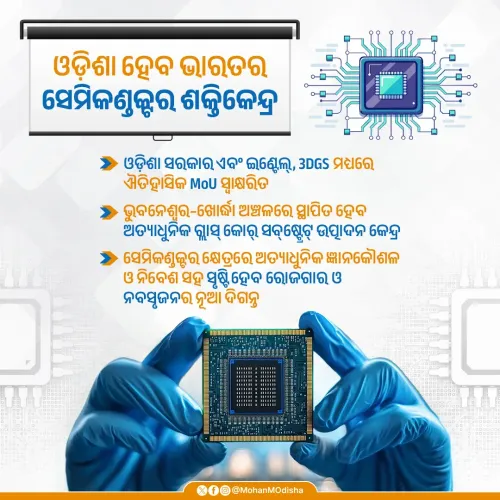
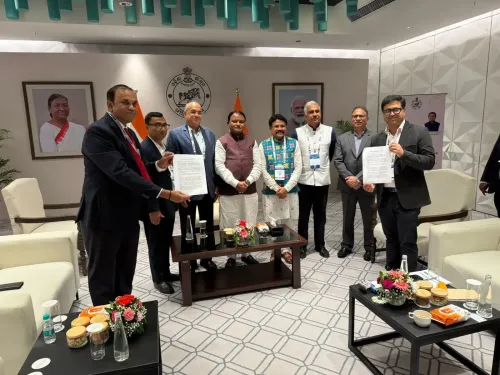
CM Majhi: Odisha eyes ₹23,600 cr chip ecosystem at Semicon India 2026
Synopsis
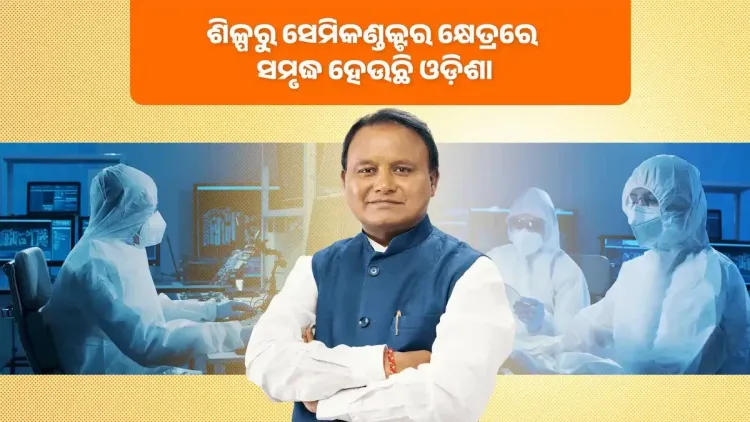
Odisha CM Mohan Charan Majhi announced approximately ₹23,600 crore in semiconductor investment proposals and around 6,100 jobs at Semicon India 2026, vowing to build a full chip-to-packaging ecosystem as Odisha pivots from mining to advanced manufacturing.
Key Takeaways
₹23,600 crore in investment proposals secured by Odisha at Semicon India 2026 .
Approximately 6,100 jobs projected from these semiconductor investments.
CM Majhi pledged a full ecosystem — chip design, packaging, research, production and skill development — not just assembly.
India Semiconductor Mission , launched in 2021 with a ₹76,000 crore outlay, is the central framework enabling these state-level deals.
Odisha competes with Gujarat , Assam and Tamil Nadu for semiconductor project approvals under the same national scheme.
The 'double engine government' framework is being cited as Odisha's key advantage in fast-tracking clearances and incentives.
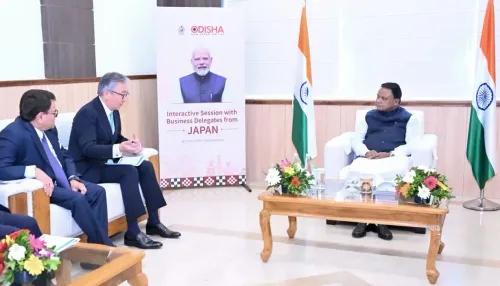
Odisha is no longer just a state of steel and minerals — it is now staking a claim in the global semiconductor race. Odisha Chief Minister Mohan Charan Majhi announced on Thursday, 24 September 2026 that the state secured investment proposals worth approximately ₹23,600 crore and the prospect of around 6,100 jobs at Semicon India 2026, the flagship national conference driving India's chip ambitions.
From metals to microchips: Odisha's strategic pivot
Writing in Odia, CM Majhi declared: 'ବଦଳିଛି ସମୟ, ବଦଳିଛି ଓଡ଼ିଶାର ବିକାଶର ଦିଗ' — 'Times have changed, and so has the direction of Odisha's development.' The state, historically anchored in iron ore, coal and metals, is now positioning itself as a serious node in India's advanced-technology manufacturing map.
The ambition Majhi articulated goes well beyond signing MoUs. His stated goal: build a complete semiconductor ecosystem — 'from chip to packaging, from research to production, and skill development.' That full-stack framing is deliberate. It signals Odisha does not want to be a passive assembly point; it wants a seat at every stage of the chip value chain.
Semicon India 2026 and the national mission behind it
Semicon India is organised under the India Semiconductor Mission, a central scheme approved in 2021 with an outlay of ₹76,000 crore to build a domestic semiconductor and display fabrication ecosystem. The annual summits, held since 2022, have become the primary arena where states compete to attract global chip investors with land, power, water and skilled-workforce commitments.
Odisha is now in a race alongside Gujarat, Assam and Tamil Nadu — all of which have announced semiconductor projects under the same central framework. The difference each state must prove is execution: turning proposals into approved projects, allocated land, and disbursed incentives. That is the next test for Bhubaneswar.
The 'double engine' argument and what it means on the ground
CM Majhi invoked the 'double engine government' — the BJP's phrase for coordinated policy between its state and Union governments — as the structural reason Odisha can convert semiconductor potential into reality faster than rivals. The logic: state-level land acquisition and clearances move in sync with Union-level production-linked incentives, cutting the lag that has historically slowed big-ticket manufacturing projects in India.
His closing line tied it directly to Prime Minister Narendra Modi's national vision: a 'prosperous Odisha' feeding into a 'Viksit Bharat' — Developed India. A state once synonymous with welfare dependency is now being projected as a technology exporter. The messaging is as much electoral as it is economic.
Whether ₹23,600 crore in proposals crystallises into ground-broken fabs and filled jobs — that is the only metric that will ultimately matter.
Point of View
A formula that doubles political ownership. The real question is whether Odisha's infrastructure, power reliability and skilled workforce can absorb high-precision semiconductor operations — outcomes that will define whether this announcement becomes a development milestone or another conference headline.
NationPress
24 Sept 2026
Frequently Asked Questions
What did Odisha announce at Semicon India 2026?
Odisha received investment proposals worth approximately ₹23,600 crore and a potential of around 6,100 jobs at Semicon India 2026, as announced by Chief Minister Mohan Charan Majhi on 24 September 2026.
What is Semicon India and who organises it?
Semicon India is a flagship annual semiconductor investment conference organised under the India Semiconductor Mission, a central government scheme launched in 2021 with a ₹76,000 crore outlay to develop a domestic chip and display manufacturing ecosystem.
What is Odisha's semiconductor ecosystem plan?
CM Majhi has stated the goal is to build a full semiconductor value chain — from chip design and packaging to research, production and skill development — rather than attracting only assembly-stage investments.
Which other states are competing with Odisha for semiconductor projects?
Gujarat, Assam and Tamil Nadu have all announced semiconductor projects under the same India Semiconductor Mission framework, making them direct competitors for investment approvals and global chip-firm partnerships.
What is the 'double engine government' in the context of Odisha?
'Double engine government' is a BJP term for aligned BJP administrations at both the state and Union levels, which CM Majhi argues enables faster land allocation, clearances and incentive disbursements for large manufacturing investments in Odisha.